Bloom Into Reading: Spring Children’s Books

0
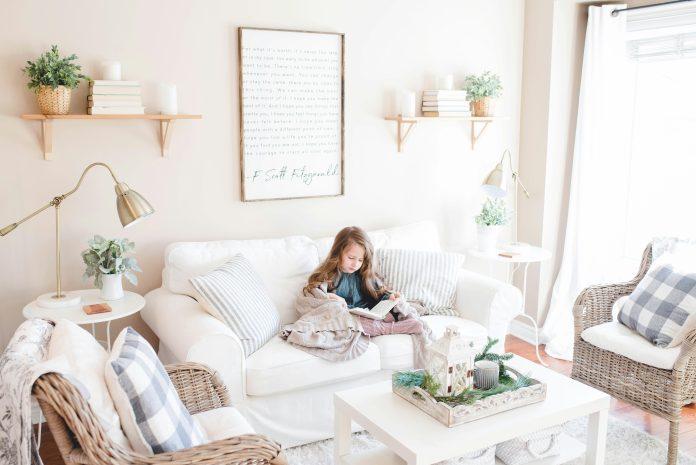
little girl reading on couch | spring children's book

Spring is the perfect time to refresh your little one’s reading list with books that celebrate the beauty of the season. Adding seasonal books, likes these spring and Easter books, to your child’s bookshelf is a simple yet meaningful way to make reading more engaging and connected to the world around them. Just like decorating for the seasons or celebrating holidays, rotating books based on the time of year helps kids feel in tune with the changing world. Spring books are especially useful as they also create opportunities for learning — they teach kids about weather changes, cultural traditions, and the natural rhythms of life in a fun and relatable way.

Here’s a list of spring children’s books to add a little extra sunshine to the season.

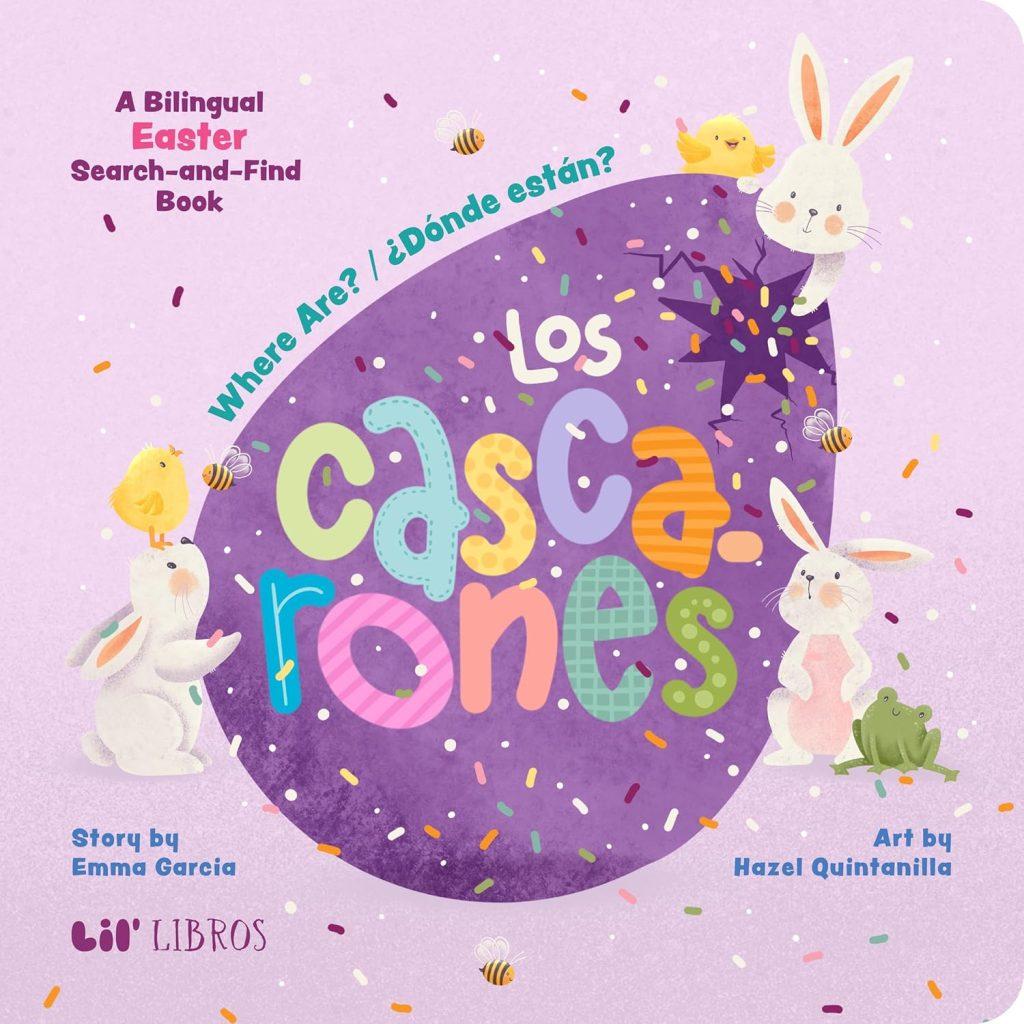
Celebrate Easter with a bilingual (English and Spanish) search-and-find board book filled with pops of color and a ton of Easter eggs to seek.

Buy on Amazon | Buy on Barnes & Noble

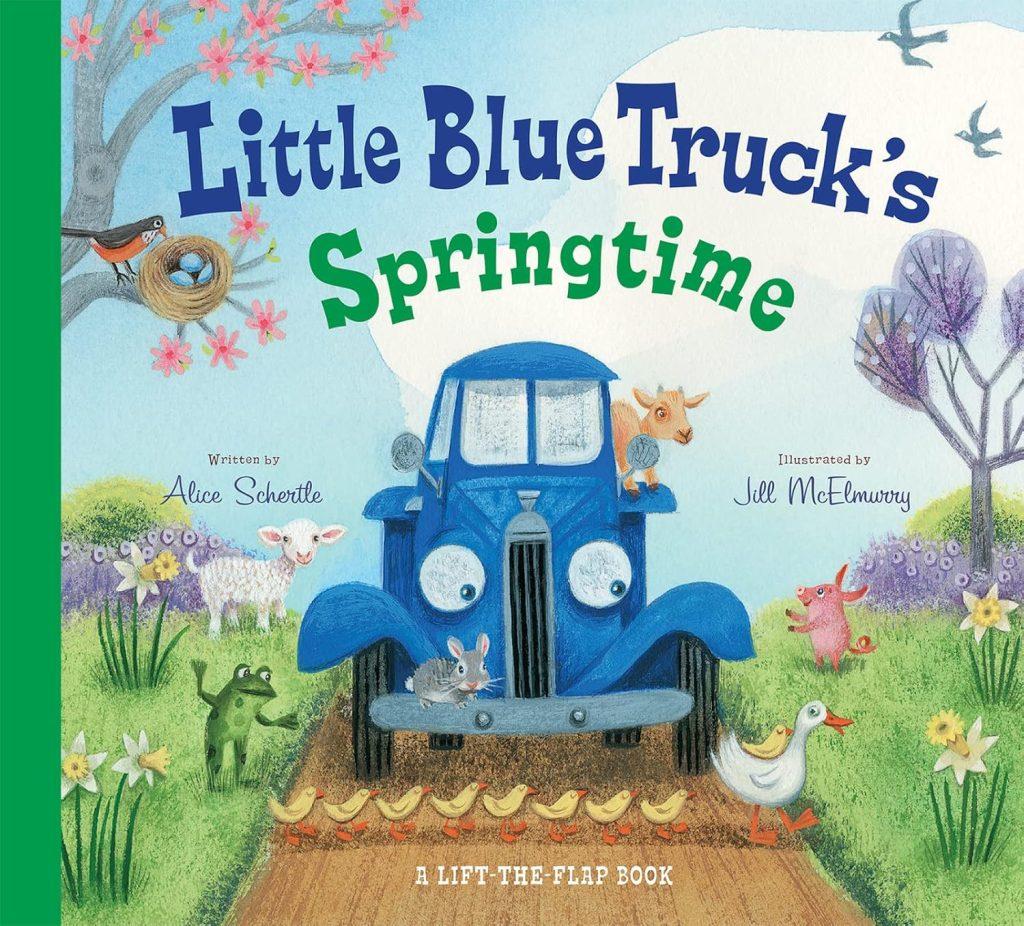
Beep! Beep! Little Blue Truck is out for a ride with his good friend Toad. The sun is shining and the flowers are blooming—it’s a beautiful spring day! Who will they see along the way?

Open the flaps to meet all of the sweet baby animals just born on the farm. Peep! Peep!

Buy on Amazon | Buy on Barnes & Noble

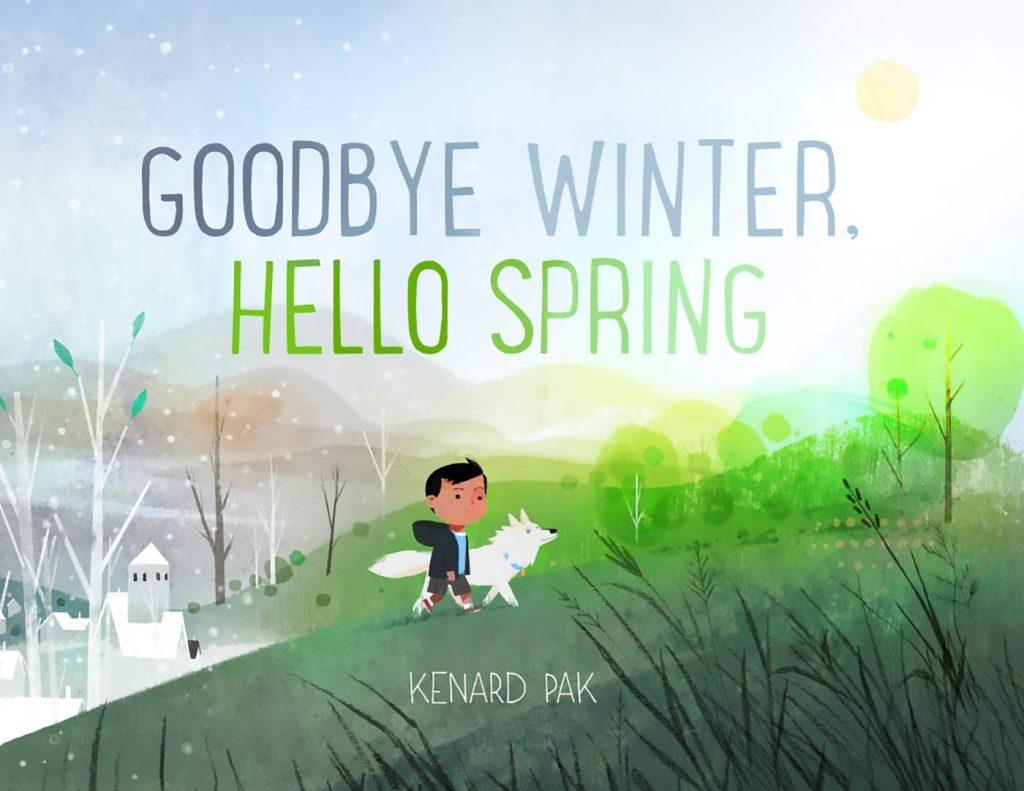
Join a boy and his dog as they explore nature and take a stroll through the countryside, greeting all the signs of the coming season. In a series of conversations with everything from the melting brook to chirping birds, they say goodbye to winter and welcome the lushness of spring.

Buy on Amazon | Buy on Barnes & Noble

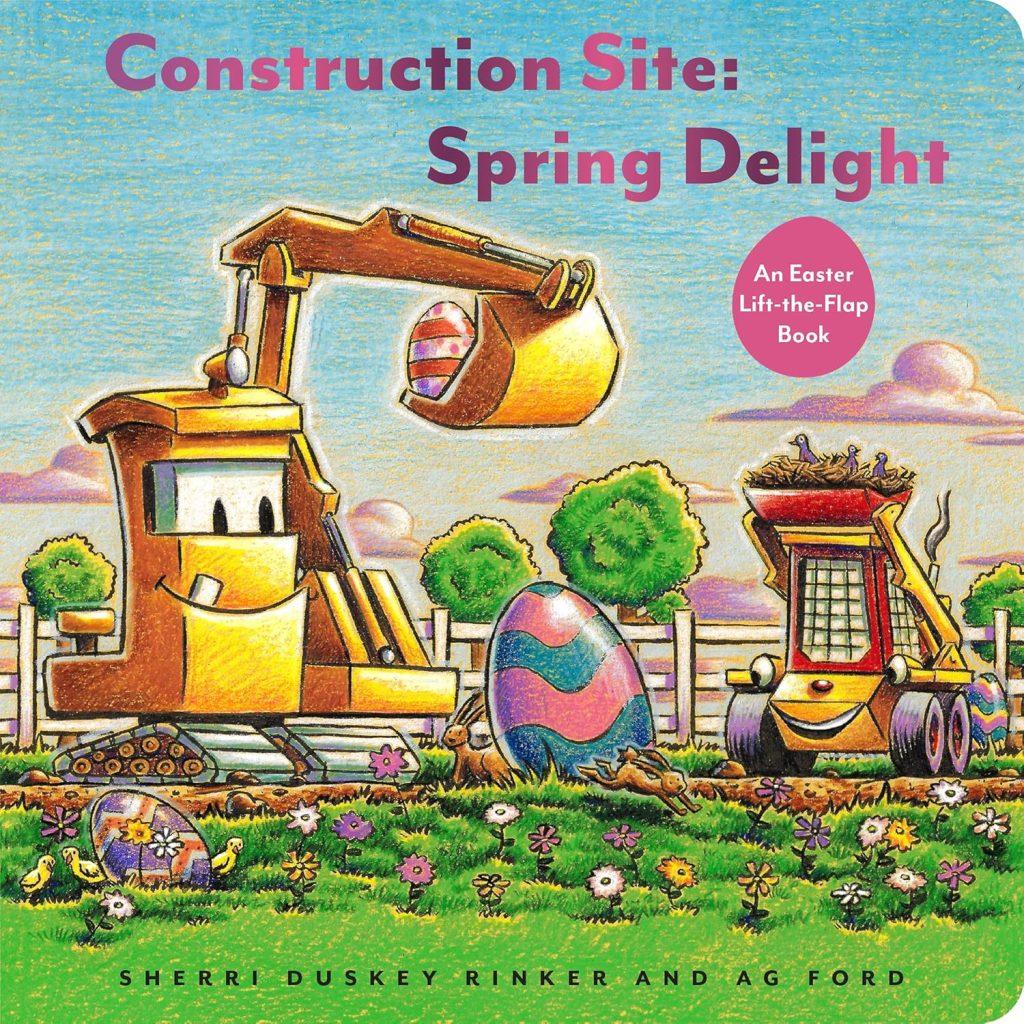
It’s Easter at the construction site! As sunshine melts the snow away, the trucks discover all around them the signs of spring. Lift the flaps on each sturdy page to reveal blooming flowers, baby ducks, and gentle lambs—and a special Easter egg hunt surprise! 

Buy on Amazon | Buy on Barnes & Noble

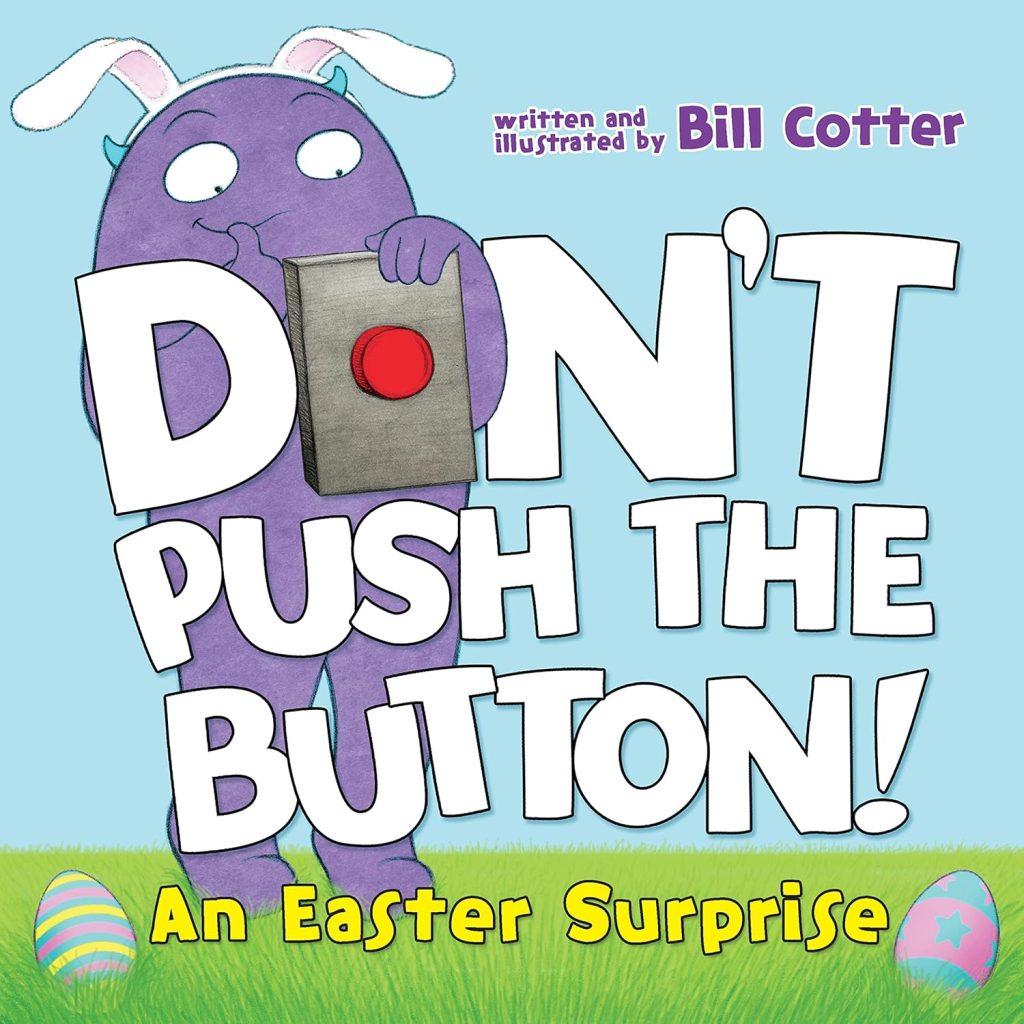
Larry is SO excited for Easter! Aren’t you?

I don’t think the Easter Bunny is watching; but…

Whatever you do…DON’T PUSH THE BUTTON!

Buy on Amazon | Buy on Barnes & Noble

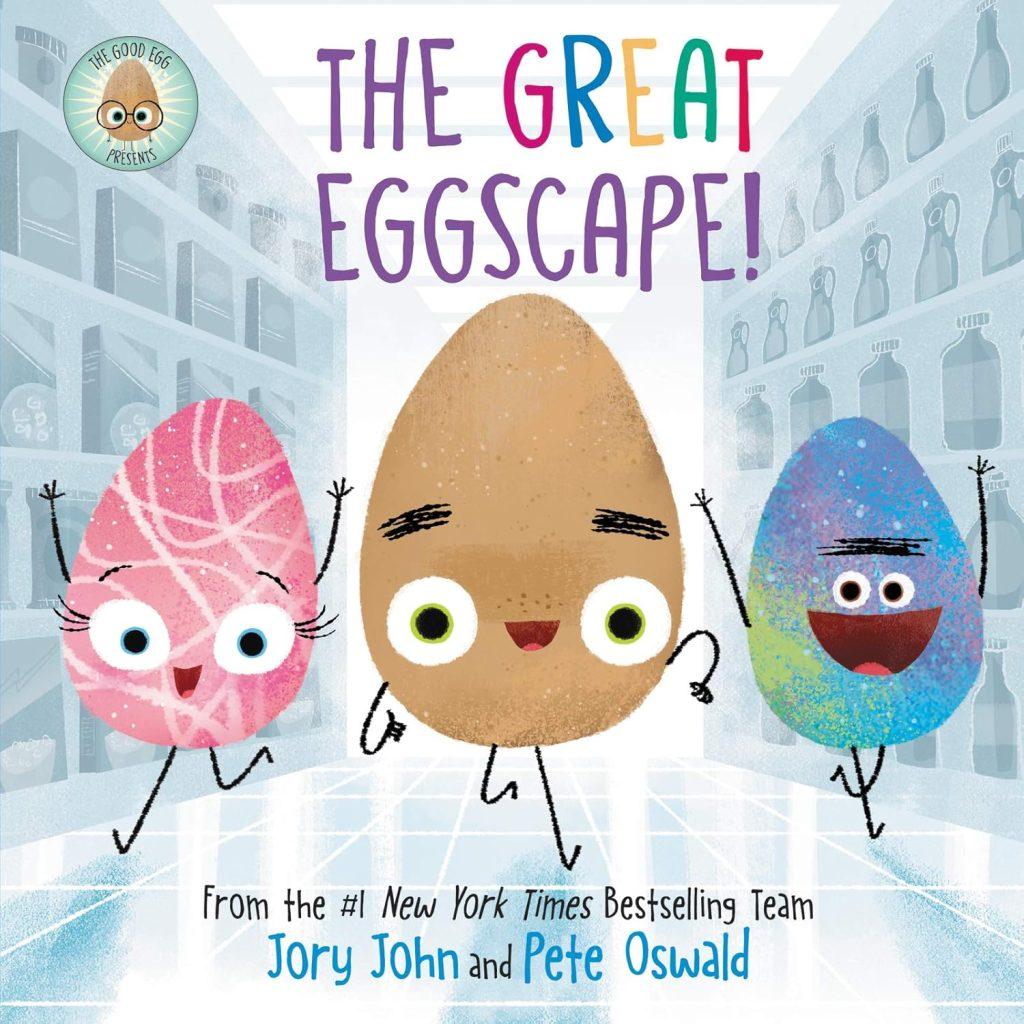
The Great Eggscape is when the Good Egg and his pals escape their carton and drop into the store for a morning of fun, enjoyed by everybody.

Well, almost everybody.

Shel (an egg) isn’t a huge fan of group activities, especially when he’s made to be “It” for a game of hide-and-seek.

Buy on Amazon | Buy on Barnes & Noble

Do you have any spring children’s books that your family loves? We’d love to hear about them in the comments below!

Looking for more spring fun? Download our bilingual spring vocabulary matching game!

Latina Mom Collective sometimes links to affiliate links when we share purchases we love and recommend. This means if you click on a product we suggest, like these children's book, and you purchase from that link, we may make a small commission at no additional cost to you. Every product we share is something we genuinely love, recommend, and have in our own homes!

Life With a Velcro Child: When Attachment Feels Overstimulating

0
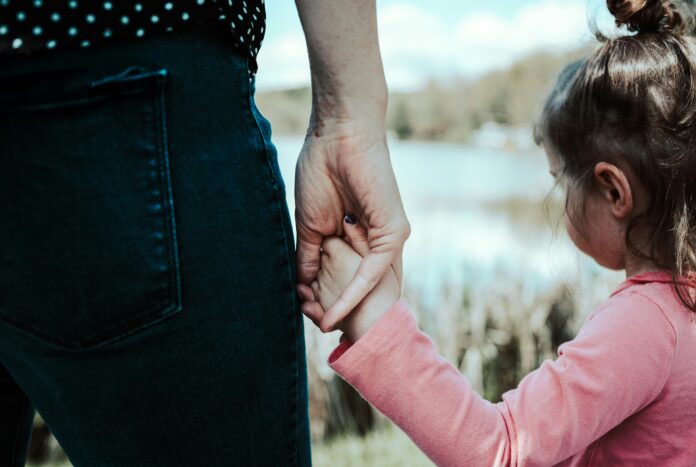
mom holding child's hand while looking out at pond

Nancy shares what life feels like with a velcro child. If you’ve never heard the term “velcro child,” it’s exactly what it sounds like: a child who sticks to you like Velcro. A velcro child wants to be near you constantly—touching you, talking to you, needing you for even the smallest things. It’s often tied to normal attachment phases in early childhood, especially during times of growth, transition, or emotional development. While experts might call it separation anxiety or a strong attachment stage, many moms simply call it what it feels like—having a tiny shadow who never, ever detaches.

I try to hide in the bathroom, but my four-year-old daughter always knocks on the door, then bangs on the door, then tries to pry the door open. I have nowhere to go, nowhere to hide from my child. It’s my punishment for doing the same to my mom. Our bathroom was beside my bedroom, so I always knocked on the bathroom door when she was in there, even when I became an adult. The universe is now punishing me for stealing my mom’s peace.

My daughter wants me to put her to bed, read her a bedtime story, then stay with her until she falls asleep. Then, in the morning, when I’m awake and trying to get a moment of silence in the bathroom before the school/work routine…she knocks. And if I forget to lock the door, she goes in. I have no privacy. Then, during breakfast time, the conversation goes like this:

HER: “Mami, can you make my chocolate milk, please?”
ME: “Hija, your dad is RIGHT. THERE.”
HER: “No, I want YOU to make it.”
ME: “I can’t, I’m cooking breakfast and packing lunches.”
HER: “But mooooom, I need you to hold me.”
ME: YOUR. DAD. IS. RIGHT. THERE.
HER: NO! I want YOU!

A meltdown ensues, then we calm her down, then I take her to school. I get a break (and by break, I mean my full-time job). Then I have a two-hour commute to pick up my son from daycare, and then my daughter from school. By the time we get home, I’m EXHAUSTED. My son is usually asleep, and I try to sneak in a nap while my daughter watches cartoons, but EVERY SINGLE TIME I start to doze off…” Mami, can you make me more chocolate milk, please?” They say that sleep deprivation is a form of torture, and this is how I feel every time I’m woken up and asked to prepare chocolate milk.

I don’t know when my daughter became so attached to me. She was all about her dad for at least two years. I felt like such a failure as a mother when she was an infant because she LIVED for her dad. Now, I feel bad because I see how it hurts my husband when our daughter says she wants me and not him. I tell him that it’s a phase, and there will be a moment again where she will be closer to him than me. Plus, our son is his velcro child. My little boy has no use for me unless he’s hungry, lol.

This “velcro child” thing is no joke. My daughter is my shadow, and she wants to be with me every single second of every day. I love her to pieces, but it’s too much. My dad tells me that I was like this with my mom, and that when she was pregnant with my younger sister, I literally clung to my mom’s legs and wouldn’t let her walk. My husband jokes and tells me, “Algo estás pagando.” Sigh. I get no peace and no silence. If I want to eat a donut, I have to scarf it down in the kitchen before she sees me, or she’ll want to share. I can’t do my pelvic floor exercises at home because she and her brother decide it’s time to exercise, too (which, for them, means climbing all over me while I’m lying on my yoga mat). I have to do much of my grading and course prep after my daughter’s asleep because if she sees me on my computer, she’ll “want to work on her document.”

I’m overstimulated all the time.

But then, when we finish our bedtime story, she tells me how much she loves me, and then I feel guilty. And grateful. Because I know this will pass, there may come a moment when she won’t want anything to do with me, and I’m going to miss my velcro child like crazy.

But right now, I just want some moments where I can take a power nap, savor a snack without sharing, or watch novelas instead of cartoons. That would be so nice.

The Language We Leave Behind: Raising Bilingual Children with Tenderness

0
Track of Toy Cars Set Up in Shape of a Heart | Raising Bilingual Kids

Kristen shares how raising bilingual children shapes empathy, cultural identity, and kindness through everyday words like “sana, sana” and “mande.”

I didn’t realize how much language mattered until I heard it come back to me.

At home, words float freely. They’re spoken without ceremony—while cooking, while calling someone to the table, while tending to small hurts. We don’t always notice them because they feel ordinary. But for children, nothing is ordinary. Every word is information. Every phrase is a lesson about how the world works.

Growing up, language was never just about communication—it was about tone, respect, warmth. Saying mande instead of qué wasn’t about rules; it was about how you showed up for your mother. It was a softening. A way of saying, I’m listening. I’m here. I didn’t think much of it then, but now I see how deeply those choices root themselves in us.

I see it now in my son.

The other day, his firefighter toys fell from the ladder of his firetruck. Without hesitation, he leaned in close and whispered, “Sana, sana.” He wasn’t playing rescue—he was offering comfort. He was making sure they were okay. In that moment, I realized he wasn’t just repeating words. He was practicing care. He was learning how to be present for someone else, even if that someone was made of plastic.

It melted me.

It made me wonder how much of ourselves we hand down without noticing. How language carries tenderness, patience, and culture all at once. How it becomes instinct before it ever becomes intentional.

As a Latina mother, as someone raising a child between languages and worlds, this feels especially sacred. Our words hold memory. They hold home. In a world that often feels chaotic and unkind, the language we use can become a refuge—a way to steady our children, to remind them of who they are and where they come from.

Lately, I’ve been thinking about this every time we go to the library. We’re weekly visitors. Walking through the doors feels like entering a quiet promise. We leave with arms full of books—new characters, new problems, new worlds—and somehow, I leave lighter each time. Books feel like an extension of language’s power: teaching kindness, curiosity, hope.

Bless the authors who build these worlds. Bless the pages that carry them. Through stories, through the words we speak at home, our children are learning not just how to talk—but how to care, how to listen, and how to move through the world gently.

February, But Make It Paquita & Jenni

0
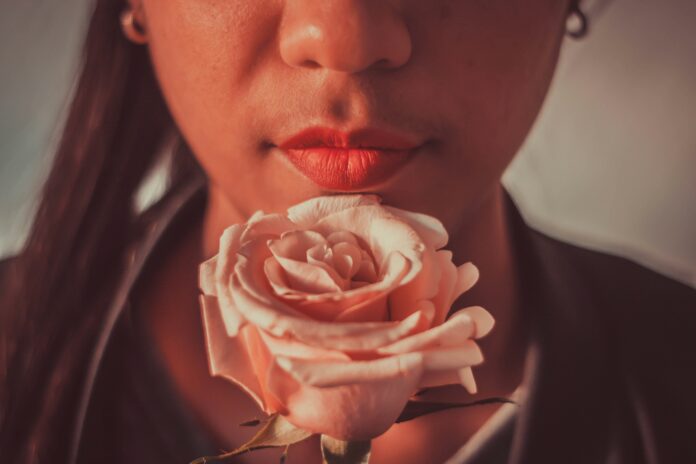
Woman with red lips holding pink rose in front of her face | February, but make it Paquita & Jenni

February doesn’t have to look like pink hearts, forced romance, and matching Valentine’s posts to be full of love. Personally, for me, February feels more like Paquita la del Barrio’s strength and Jenni Rivera’s honesty. Simple reminders of the beautiful love that, as Latinas, we have—yet we need to ensure we don’t lose ourselves in the process.

Because February, but make it Paquita & Jenni isn’t about hating love. It’s about loving with a passion, but ensuring you love yourself too.

Not All Love Wears Rojo, and That’s Still Latina

Not every Latina connects with Valentine’s Day the same way, and that doesn’t make us unromantic or bitter. Most importantly, that doesn’t mean we are toxicas. Some of us were raised to love through action, through responsibility, through showing up every single day—long after the roses die and the teddy bears collect dust.

It’s okay if you:

  • Love your partner, but don’t want to get a ramo buchón
  • You’re obsessed with your relationship without posting it
  • Avoid doing amarres and rituales del calzón
  • Don’t feel like doing the whole dressing up in pink and hearts all month

Some of us are living a love story that got cut short when our spouse died, or because we’re divorced now. Other love stories come from women who survived, not women who waited for romance. All these stories shape how we love, and that love is still valid.

February, but make it Paquita & Jenni, means we honor love, we love love, and we celebrate our way of love.

Paquita Energy: Love With Dignity

Paquita reminds us that love without respect is not love; it’s a lesson. She is an example of someone who survived love and life; she didn’t wait for the “real love” to arrive. Her music isn’t about bitterness; it’s about boundaries. It’s about knowing when something no longer deserves access to you.

That energy shows up when we:

  • Stop begging for effort and actions
  • Choose self-respect and dignity over attention
  • Walk away without needing closure for our own good
  • Love ourselves enough to say “ya no más”

This February, embrace the Paquita Energy: I love fully, but I don’t lose my worth in doing it.

Jenni Energy: Love That Survives the Fire

Jenni represents the kind of love that breaks you open and still doesn’t destroy you. She has the love that teaches you, humbles you, and reshapes you. The love that coexists with motherhood, sacrifice, grief, rebuilding, and strength.

Jenni’s energy reminds us that:

  • You can love deeply and still ask, “¿Que Me Vas a Dar Si Vuelvo?”
  • You can cry and still be poderosa
  • You can carry heartbreak and still choose joy, and your children
  • You can evolve and still honor where you came from, as we should

February, but make it Paquita & Jenni: loving and honest. No pretending, no hypocrisy.

Love Isn’t a Holiday, It’s a Practice

For Latina moms especially, love doesn’t show up once a year. It lives in the everyday:

  • In how we love our children y les damos la bendición en las mañanas
  • In how we show up for our families, regardless of where they are
  • In how we nurture our partners by waking up at 5 a.m. to make them their lunch
  • In how we choose ourselves when we know we need to be strong

We don’t need Valentine’s Day to validate our love stories. We live them every single day.

Ultimately, the truth is, some of us are in love in one way or another. Some of us are healing. Some of us are rebuilding. Some of us are choosing peace over chaos. All of it belongs, because at the end of the day, life is a form of love. Every morning, we wake up to a new opportunity to live life, and by performing acts of love, we truly experience it.

So Yes!! Let’s Make February, Paquita & Jenni

This February, we’re not rejecting love—we’re redefining it.

We’re choosing love that:

  • Doesn’t require fake or overly done performances
  • Doesn’t erase our boundaries or our journeys
  • Doesn’t follow trends or is based on budgets
  • Honors our stories and our hearts

Because loving like Paquita and Jenni means loving with strength, truth, and self-respect.

And that kind of love? That deserves more than one day on the calendar, “¡Me Estás Oyendo Inútil!”

Bad Bunny Is Performing This Weekend—And It Feels Bigger Than Music

0

There are moments in life that feel bigger than what they technically are.

A song isn’t just a song.
A performance isn’t just a performance.
And sometimes, one person stepping onto a stage becomes something much deeper—something that feels like a collective exhale for an entire community.

That’s what this weekend feels like.

Because Bad Bunny isn’t simply performing.
Benito isn’t just showing up.

He’s taking up space.

And for so many of us, that matters more than people will ever understand.

This Isn’t Just Entertainment. It’s Visibility

There’s a particular kind of ache that comes with being Latino in the United States.

It’s the feeling of constantly having to prove that we belong.
That we are worthy.
That we’re not “too much.”
Not too loud, not too proud, not too brown, not too accented, not too different.

We are expected to contribute but not disrupt.
To assimilate but still smile.
To stay grateful, even when the world is actively trying to shrink us.

And lately? That shrinking has felt intentional.

It’s been in the headlines.
In the conversations.
In the policies.
In the comments section.

In the way people speak about immigrants like they aren’t human beings with children and histories and dreams.

In the way our culture is celebrated when it’s convenient… and attacked when it’s not.

So when someone like Bad Bunny steps onto one of the biggest stages in the world, it’s not just exciting.

It’s emotional.

Because it’s proof that no matter how hard people try to erase us, we are still here.

And we are still shining.

We Know What It Means to Be Told to Dim Our Light

Most of us have been told some version of it our entire lives.

“Speak English.”
“Your name is too hard to pronounce.”
“Your music is too loud.”
“Why do you have to bring race into everything?”
“Calm down.”
“Tone it down.”
“Be grateful.”

We’ve been taught that our culture should be shared in small doses.
That our Spanish should be reserved for home.
That our traditions are “cute” but not professional.
That our pride is only acceptable when it’s packaged in a way that makes other people comfortable.

And the truth is, many of us have learned to shrink ourselves without even realizing it.

We soften our accents.
We translate ourselves.
We code-switch until we don’t even know who we are in certain rooms.

We laugh off comments that hurt.
We swallow our anger.
We stay quiet because we’re tired.

And because we have kids watching us.

Bad Bunny Represents the Version of Us That Refuses to Shrink

Benito doesn’t apologize for who he is.

He doesn’t ask permission.

He doesn’t water himself down.

He is Puerto Rican. Fully. Loudly. Boldly. Without explanation.

He brings Spanish to the front, not the background.
He brings Caribbean rhythm to the center, not the margins.
He brings our slang, our style, our stories, our grief, our joy.

And he does it with a confidence that feels almost radical.

That’s why this performance matters.

Because for once, it feels like the world is being forced to listen.

Not to the sanitized, palatable version of Latino culture.

But to the real thing.

The version of us that is messy and joyful and loud and passionate and unapologetic.

The version of us that is beautiful even when it’s inconvenient.

This Weekend Feels Like a Statement

And yes, I know. It’s music.

But it’s also not.

Because when you come from a community that is constantly treated like an afterthought, visibility becomes survival.

Representation becomes resistance.

And joy becomes a form of protest.

This weekend feels like a reminder that we are not invisible.

Not even when they want us to be.

Not even when they try to rewrite history, erase our contributions, and pretend we don’t belong in the narrative of this country.

Bad Bunny is stepping onto that stage with the weight of generations behind him.

With every abuela who crossed borders.
With every immigrant parent who worked two jobs.
With every child who got teased for their lunch at school.
With every Latina mom who has ever had to translate at a doctor’s appointment.

He’s stepping onto that stage for every kid who has ever felt “other.”

And he’s doing it with pride.

And as a Latina Mom… It Hits Different

Because I’m not watching this as just a fan.

I’m watching it as a mother.

A mother raising children in a world that will try to tell them who they should be.

A mother raising daughters who deserve to see themselves reflected in power, in success, in art, in celebration.

A mother who wants her children to know that their roots are not something to hide.

Their Spanish is not something to be embarrassed of.
Their culture is not a trend.
Their identity is not a burden.

It is a gift.

And seeing someone like Benito take up space so boldly reminds me of what I want for my children:

I want them to take up space too.

We Deserve to Be Loud About Our Pride

We’ve spent too long being told to be quiet.

Too long being told to “be grateful” while still being treated like outsiders.

Too long being told we should feel lucky just to be invited into rooms we helped build.

But we are done shrinking.

We are done translating ourselves into something more digestible.

We are done pretending we don’t care.

Because we do care.

We care about our people.
We care about our culture.
We care about our language.
We care about our stories.

And we deserve to celebrate moments like this without minimizing what they mean.

This Is Bigger Than a Stage

This is a cultural moment.

This is a moment for the kids who don’t yet understand why their parents get emotional hearing Spanish in mainstream spaces.

This is a moment for the adults who grew up wishing they could erase parts of themselves just to fit in.

This is a moment for the ones who feel exhausted, targeted, and unheard.

This is a moment that says:

You are here.
You are worthy.
You are powerful.
And you are not alone.

So yes, I’ll be watching this weekend with my whole heart.

I’ll be dancing in my living room.
I’ll be yelling at the TV.
I’ll probably cry because that’s what I do.

Not because it’s “just music.”

But because it’s proof.

Proof that we are still here.

Still thriving.

Still loud.

Still proud.

And no matter what anyone says or tries to do, we will continue to rise.

Because we are Latinos.

And we will be seen.

The Career Cost of Motherhood: A Latina Mom’s Story

0
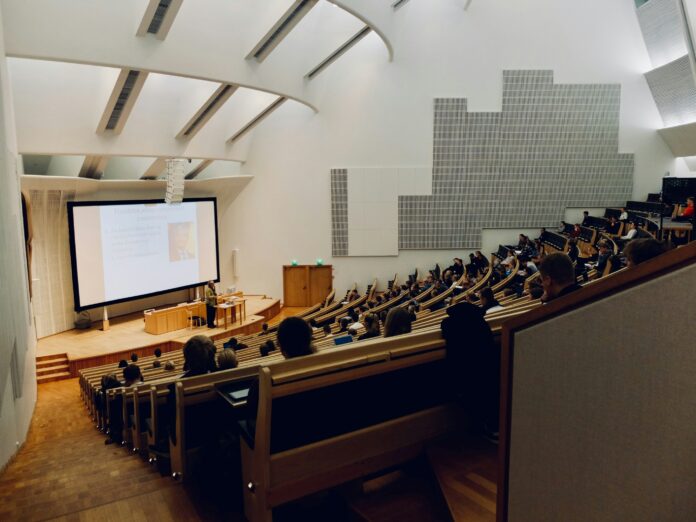
College classroom | The Career Cost of Motherhood: A Latina Academic's Story

Last week, I spent three glorious days in Chicago, the city I once called “home.” I was there to present at the American Historical Association’s annual conference. I went to Chicago by myself, no husband or kids, and I stayed with my best friend from graduate school. I hung out with other graduate school friends and professors, and I spent an afternoon with my dear cousin, whom I hadn’t seen since 2019. For three days, I remembered what my life was like before motherhood, and it was…nice. Really nice. My dream is to take my kids to Chicago someday and show them where their mami used to live, but that will happen later. This time, it was nice to be alone. I desperately needed the mommy break.

It was a wonderful trip, but it was also really strange. It made me realize what a black hole these past six years have been professionally, especially because of the COVID-19 pandemic. My job as a professor requires me to travel regularly for research and conferences, and I used to travel 2–3 times per year across the U.S. and Mexico. Conferences are where you meet other scholars, learn about the latest research, get feedback on your own work, and stay relevant in your field of study. But the pandemic and my pregnancies ended all of that for me, and before last week, the last time I traveled for a conference was in January 2020. I was actually supposed to do research in Chicago in mid-March 2020, but then the world shut down.

On top of that, I was pregnant in late 2020, so I had to teach online and remain isolated at home to protect myself and my daughter. As the world opened up around 2022–2023, I was pregnant again, had a toddler, and still had to limit my travel. My presentation last week was the first time I’d traveled for a conference in six years, which can be a career killer for a college professor.

This trip reinforced for me what I’ve always known and am currently experiencing: that our society is not designed for mothers to have a career. Those of us who do are forced to make some very difficult decisions. For example, college professors seeking tenure must fulfill the requirements within a certain time frame. The “clock” doesn’t stop if you have children. What does this mean? That many women wait until we earn tenure to have children, putting us in our late 30s/early 40s. Our colleagues who become fathers don’t have to deal with the same ramifications of pregnancy and childbirth, lose time for recovery, etc. And at least in the field of history, where travel to archives is necessary, the responsibilities of motherhood, especially with young children, make it harder to publish research projects.

I’ve spent years working on the same book, and it just doesn’t get finished. Without that book, I can’t apply for my next promotion. Last year, one of my colleague friends (“Alice”) went up for that promotion. I lamented to my colleague “Jane,” “Wow, Alice and I started our jobs the same year. Alice is already a full professor, and I’m not even close.” Jane responded, “Yes, Nancy, but Alice doesn’t have kids.” I know Jane was trying to make me feel better, but the weight of it all hit me at that moment. Motherhood has hurt my career and long-term earning potential. Do I regret it? Absolutely not. But does it sting? Absolutely.

I see so many of my women friends around my age doing amazing work in academia. I admire, and envy, them for publishing consistently, setting up centers to help students at their universities, and engaging their communities, all work that I wish I could do right now. Then I remember that they don’t have kids. That’s the difference. I made my choice, and the time I used to spend on that academic work is now consumed with school drop-off and pickup, trips to the playground, figuring out what my daughter will wear for Spirit Week, reading bedtime stories, tickling and playing peek-a-boo with my son, watching cartoons, learning my daughter’s “wiggle dance,” doctor’s visits, changing diapers, Saturday morning pancakes, and helping my two little humans find their way in this world. It’s the best, but I’d be lying if I said I didn’t sacrifice career advancement for it.

This recent trip to Chicago wasn’t just about presenting at a conference or having a mommy break. It was about getting my career back on track now that my kids are moving past the toddler stage. It was about remembering why I love being a historian and deciding that it’s time to pursue my career goals again. And believe it or not, I look forward to my kids being a little older and joining me on these conference trips. They have already been to my classes and met my students, so one of these days they’ll get to see their mami in “conference mode.” My career is not what I imagined at this stage in life, but I hope I can at least find a way to finally get past this professional rut I’ve been stuck in for years.

Why Blood Donors Matter for Our Comunidad: The Importance of Latinos and Latinas Donating Blood

0
Woman sitting in chair donating blood | Why Blood Donor Month Matters for Our Comunidad: The Importance of Latinos and Latinas Donating Blood

Every January, the nation celebrates National Blood Donor Month, a time to recognize the life-saving gift of blood donation and encourage others to join the cause. For our comunidad, this month is not only an opportunity to give back but also a chance to address a critical need within the healthcare system. Did you know that Latinos and Latinas are underrepresented among blood donors? Yet, we play a vital role in helping those in our own community and beyond.

The Importance of Blood Donors for Latino Communities

Donating blood is critical for our communities. Blood is a resource that hospitals need every single day to save lives. From emergencies like car accidents to ongoing treatments for diseases like cancer, the demand for blood is constant. According to the American Red Cross, every two seconds, someone in the U.S. needs blood.

However, less than 10% of eligible donors actually give blood, leading to frequent shortages. These shortages become even more critical in diverse communities where matching blood types for patients with rare conditions, like sickle cell disease, often depends on donations from people of similar ethnic backgrounds.

Blood donations are especially critical for our Latino communities. Our comunidad faces unique challenges when it comes to health. Conditions like diabetes, heart disease, and sickle cell anemia disproportionately affect us, making the availability of compatible blood crucial. Additionally, Latinos make up a growing percentage of the U.S. population, yet we’re still underrepresented among blood donors.

Breaking the Myths About Blood Donation

If you’ve never donated before, you might have concerns or misconceptions. Let’s address some of the most common ones.

  • “I don’t have time.” Donating blood usually takes less than an hour, but the impact lasts a lifetime for the recipient.
  • “I’ll feel weak afterward.” Most people feel completely fine after donating, especially if they stay hydrated and have a snack post-donation.
  • “I can’t donate because of my health.” Even if you’re not sure about your eligibility, blood donation centers can help determine if you’re able to donate.

Becoming a Blood Donor

Ready to make a difference? Here are a few simple steps to get started:

  1. Find a Blood Drive: Visit websites like RedCrossBlood.org or your local blood bank to find donation sites near you.
  2. Bring a Friend or Family Member: Encourage others in your network to donate with you. The experience is even more rewarding when shared.
  3. Spread the Word: Use your social media platforms to raise awareness about the importance of donating blood, especially during National Blood Donor Month.
  4. Make it a Habit: While donating once is fantastic, becoming a regular donor ensures a steady supply of blood for those in need.

Celebrate Your Impact as a Blood Donor

Every donation has the potential to save up to three lives. By stepping up as a donor, you’re not just helping strangers; you’re supporting families, strengthening our community, and honoring the spirit of giving that is central to our culture.

This January, let’s show the world the power of nuestra comunidad. Together, we can turn compassion into action and ensure that no one has to go without the life-saving gift of blood.

Are you ready to make a difference? Head to your nearest blood drive, roll up your sleeve, and be the hero someone desperately needs. Let’s make this National Blood Donor Month one to remember for our comunidad!

Not ready? Read one mom’s story about how a donor saved her life.


Bilingual Valentine’s Vocabulary + Matching Game [Free]

0

Valentine’s Day is the perfect opportunity to blend fun, love, and learning into one! Whether you’re a mom raising bilingual kids or simply looking to introduce your little ones to the beauty of the Spanish language, incorporating Valentine’s-themed Spanish vocabulary into your activities is a fun and meaningful way to celebrate both language and culture.

And what better way to do that than with a free printable bilingual Valentine’s Day vocabulary matching game?

Why Raising Bilingual Kids Matters

Did you know that learning a second language at an early age has lasting benefits? Here are three fascinating facts about bilingual children:

Enhanced Cognitive Development
Research shows that bilingual children have stronger problem-solving skills, better memory retention, and higher creativity levels. Learning two languages challenges the brain in unique ways, leading to improved executive functioning and linguistic competence.

Increased Empathy and Social Skills
Studies suggests that bilingual children are exposed to different cultures, helping them develop greater cultural awareness and cognitive empathy. They can understand multiple perspectives, making them more adaptable in social situations.

Experience of a ‘Silent Period’
If your child is learning Spanish and goes through a phase where they don’t speak much, don’t worry! Many bilingual children experience a “silent period” when acquiring a new language. During this time, they focus on listening and comprehension before feeling confident enough to speak.


Spanish Valentine’s Vocabulary

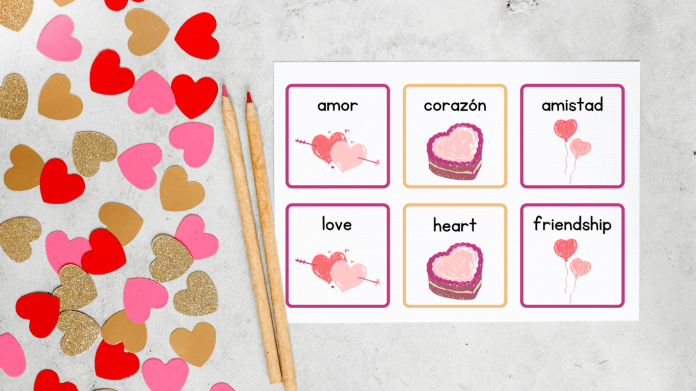
Introduce your child to these fun and easy-to-remember Spanish words for Valentine’s Day! Try practicing them together, using them in sentences, or playing a matching game with our free printable.

Amor – Love
Corazón – Heart
Cariño – Affection
Abrazo – Hug
Beso – Kiss
Tarjeta – Card
Chocolate – Chocolate
Flores – Flowers
Pareja – Couple
Regalo – Gift
Te quiero – I love you (more of a like-love)
Te amo – I love you (more of a family or romantic love)
Mi amor – My love
Dulce – Sweet or candy
Feliz Día de San Valentín – Happy Valentine’s Day

Valentine’s Day is not just about chocolates and roses; it’s also an opportunity to build memories and nurture a love for learning.

Free Matching Game

Download our matching game, print it out and turn this list into a fun game!

Looking for more bilingual Valentine’s Day fun? Be sure to check out our must-read Valentine’s Day books list.

12 Months of Intentional Mother–Daughter Time

0
Flat lay of planner with "monthly goals" header | Intentional Mother Daughter Time Ideas

Choosing a word for the upcoming new year may be cliché, but it’s a tradition I genuinely love. For 2026, my word is intentional. I want to be more deliberate in how I spend my time and energy, especially when it comes to spending quality time with my daughter. 

She’s 13, and she definitely prefers spending time with her friends or time in her room alone over doing anything with me. I know this is normal for her age, but I also realize that time spent together is still really good (and necessary) for our relationship.

So, I’ve put together 12 months of ideas of intentional mother-daughter time, and I’m hoping we can accomplish at least 1 per month. I tried to think of activities that would be simple enough to do, could also be flexible for extenuating circumstances, but most importantly, would be meaningful without being “heavy”. I tried to think of activities that would be about 1-2 hours, and the only rules (for both of us) are: No phones. No fixing. No lectures. Just presence.

My daughter is Mexican-American, so a few of the activities are inspired by her heritage but, hopefully this will still be a good starting point for you to think of things to do with your tween or teen this year too! Here’s to a memory-filled 2026!

January

  • Try out a new coffee shop and make vision boards for the year
  • Movie Night – she picks the movie, I get to pick the matching PJs
  • Painted pottery afternoon
  • Try to make conchas together (have cinnamon rolls in fridge as a back up)
  • At home spa night

February

  • Find a local Galentine’s Day brunch
  • Make a fun Valentine’s Day/Galentine’s Day Mocktail together and then have an at-home paint night
  • Make chocolate covered fruit together at home
  • Visit a local museum followed by lunch at a new restaurant
  • Make DIY Valentine’s Day cards for friends and family

March

  • Donate clothes that no longer fit, then go shopping for a couple of new items for her Spring wardrobe
  • Day trip to a small town nearby during her spring break
  • Nature Trail Hike, then go get smoothies
  • Do puppy or goat yoga
  • DIY craft night at home

April

  • Farmer’s Market Morning Date
  • DIY floral arranging (Trader Joe’s has super affordable flowers)
  • DIY plant pot painting
  • Visit a tulip farm
  • Bookstore date

May

  • Pick out plants for our pots we painted last month
  • Donate clothes that no longer fit, then go shopping for a couple of new items for her summer wardrobe 
  • Go strawberry picking and then come home and let her pick a recipe to make our strawberries with
  • “Yes Day” evening (with boundaries) – she plans the night’s activities (May is her birthday)
  • Find someplace that has a patio for brunch or do a lunch picnic in the park

June

  • Candle-making workshop
  • Patio dinner night
  • Pool day
  • Make summer mood boards with accompanying playlists 
  • Ice cream sundae bar at home followed by bingeing a TV show together of her choice

July

  • Movie date
  • Outdoor morning yoga
  • BBQ cooking night
  • Go fruit picking
  • Make BBQ for dinner night

August

  • Back-to-school shopping day
  • Get our nails done for back-to-school
  • Order takeout then play a new board game together
  • Go to a local professional sporting event
  • Affirmation art – paint or letter positive phrases on a canvas

September

  • Make a DIY fall wreath for the front door
  • Go out for Mexican for dinner on September 16th
  • Find a local Hispanic Heritage Month event to attend
  • Go for a a nature hike then come home and make smoothies
  • Fall photoshoot

October

  • Go to a pumpkin patch then paint/carve pumpkins
  • Make Halloween treats
  • Make an altar for Día de Muertos
  • Caramel Apple Bar at home
  • Go to a Haunted House

November

  • Gratitude jar for each other – write notes all month, open them on Thanksgiving 
  • Attend a local craft fair
  • Volunteer at a local food bank
  • Gratitude journaling at a new cafe or bakery
  • Bake a pie together

December

  • Go see holiday lights
  • Hot cocoa bar night with toppings and then a movie.
  • Make tamales together
  • Make DIY ornaments for the tree
  • Gingerbread house making contest

Intentional doesn’t mean perfect, and it doesn’t mean forcing connection when she’s not in the mood. It simply means showing up with openness and without expectations. Some months might get skipped. Some plans might turn into takeout on the couch. And some moments may feel small in the moment but will linger in ways we don’t fully realize until later.

Here’s to choosing intentional mother-daughter time over urgency, connection over correction, and memories that quietly root themselves in our hearts long after the calendar turns.


From Novelas to Sitcoms: Family-Friendly Shows for Cozy Nights Together

0
Living room set up with television | family friendly shows

There’s something special about finding a show your whole family agrees on. The kind you can watch together on the couch—where everyone laughs, no one covers their eyes, and the hardest part is deciding who gets the blanket.

Growing up in a Latino household, TV was never just “background noise.” It was ritual. I watched novelas with my abuela, listening to her narrate plot twists like they were family chisme, even when I didn’t fully understand every word. Later, I watched Gilmore Girls with my mom, bonding over fast-talking women, coffee cups, and complicated mother-daughter relationships. Those shows weren’t just entertainment—they were connection.

Now, as a mom myself, I see that same magic unfolding in my own living room.

In our house, that show was Full House. My daughters and I slowly worked our way through every season, and by the end, it felt less like finishing a series and more like saying goodbye to family. The humor was gentle, the lessons were clear, and the episodes opened the door to conversations about family, forgiveness, and growing up—values that resonate deeply in so many Latino homes.

When the final episode ended, the question came quickly: Okay… what do we watch next?

If you’ve ever finished a beloved family-friendly show and hoped to find another that feels just as safe, comforting, and engaging, you’re not alone. Especially if you’re trying to balance nostalgia, values, and shows your kids actually enjoy. Here are some family-friendly series that make great next watches after Full House.

What Made Full House Work for Families

Before jumping into recommendations, it helps to name what made Full House such a win—especially for families like ours:

  • Storylines centered on family and relationships

  • Light humor that works across generations

  • Episodes that end with resolution and heart

  • Content that feels safe without feeling boring

The family-friendly shows below carry some (or all) of that same spirit—some with nostalgia, some with depth, and some that feel perfect for cozy couch nights.

Family-Friendly Shows to Watch Next

1. Boy Meets World

A classic for a reason. Boy Meets World grows with its audience, starting light and funny and gradually tackling deeper themes like friendship, identity, and responsibility. It’s a great option for families with older elementary or middle school–aged kids.

Why families love it: Strong life lessons, humor that ages well, and memorable characters.

2. The Wonder Years

This nostalgic series offers a thoughtful look at growing up, family dynamics, and the everyday moments that shape us. It’s slower-paced than many modern shows but rich in storytelling and emotion.

Why families love it: Gentle humor, meaningful narration, and lots of conversation starters.

3. Sabrina the Teenage Witch (1990s version)

If your kids enjoy a little whimsy, Sabrina adds light magic to relatable teenage struggles. While it’s more fantastical than Full House, the tone remains playful and family-oriented.

Why families love it: Fun, imaginative plots with lessons about choices and responsibility.

4. The Goldbergs

Set in the 1980s, this show centers around family life, sibling dynamics, and growing up. It’s louder and more energetic than Full House, but still grounded in family connection.

Why families love it: Humor rooted in family chaos and heartfelt moments.

5. Anne with an E

For families who enjoy emotional storytelling, Anne with an E is beautifully done. It explores belonging, identity, and kindness through rich characters and thoughtful pacing.

Why families love it: Strong themes, gorgeous storytelling, and meaningful discussions.

6. Gilmore Girls

This one hits especially close to home. For many of us, it’s a bridge between generations—something we once watched with our own moms and now revisit through a new lens.

Watching this now, I see echoes of my own relationship with my mom—and glimpses of the one I’m building with my daughters.

Why families love it: Mother-daughter connection, witty writing, cozy vibes—and a reminder that relationships don’t have to be perfect to be meaningful.

7. Step by Step

Another TGIF favorite, Step by Step is a natural next watch after Full House. Centered around a blended family navigating life under one roof, it’s lighthearted, silly, and rooted in everyday family moments.

Why families love it: Familiar sitcom pacing, sibling dynamics kids recognize, and humor that doesn’t feel heavy.

8. Family Matters

If your kids loved the heart of Full House, Family Matters brings that same warmth—with a side of big laughs. The Winslow family offers strong values, relatable lessons, and of course, the unforgettable Steve Urkel.

Why families love it: Clear moral lessons, strong family bonds, and episodes that spark conversation.

9. Fuller House

If you’re not quite ready to leave the Tanner family behind, Fuller House offers a familiar world with updated storylines. While the tone is more modern, the heart remains.

Why families love it: Nostalgia, continuity, and shared family memories.

Tips for Choosing Your Next Family Show

Every family is different. What works for one household might not work for another—and that’s okay. A few tips as you choose:

  • Watch the first episode together before committing

  • Consider your kids’ ages and sensitivities

  • Use shows as conversation starters, not background noise

Sometimes the best part isn’t the show itself—it’s the shared time. The laughter. The questions. The memories being made in real time.

The Bigger Picture

Watching Full House together wasn’t just about entertainment for us. It became part of our rhythm—an end-of-day pause, a shared laugh, a way to reconnect after long days.

In many Latino families, storytelling has always mattered—whether through novelas, cuentos from our elders, or stories passed down over the dinner table. These shows become part of that legacy.

Finding another family-friendly shows won’t replace Full House, just like nothing replaces watching novelas with my abuela or Gilmore Girls with my mom. But it can create something new.

One more set of inside jokes.
One more group of characters that feel like family.
One more reason to gather on the couch—together.

And sometimes, that’s exactly what we all need.

MOST POPULAR

an image of the free summe memory banner

Free Summer Memory Banner Printable for Moms: A Simple Way to Display Summer Memories

0
There are thousands of photos on my phone right now. Note to self: Back photos up to Google Photos because my phone is full. Pool...
watermelon sliced on counter | 4 easy summer recipes

4 Easy Summer Recipes for Slow, Sunny Days

0
There’s something about summer that pulls us back into the kitchen in a softer way. Less rushed dinners. More fresh fruit. More recipes that...
Mom and Son Walking Along Brick Wall | Between Protecting Them and Letting Them Fall | Motherhood

Mamá Can’t Catch Every Fall

0
Jessica shares about motherhood, sacrifice, and learning when to protect our children—and when to let them stumble and grow on their own. Over ten years...
mom grandma baby | latina motherhood

Peeling Back, Growing Forward: Notes on Latina Motherhood

0
If I could write a letter to my younger self about motherhood, I don’t think I’d ever finish it. Not because I wouldn’t know...
mom zipping up child's backpack | Becoming My Child’s Advocate

Becoming My Child’s Advocate

0
Special Education. IEP.Delay. Delay. Delay.This was not in my plans for my child. And yet, I feel like I was prepared for this half...