Porque Soy de Aquí y Soy de Allá

0

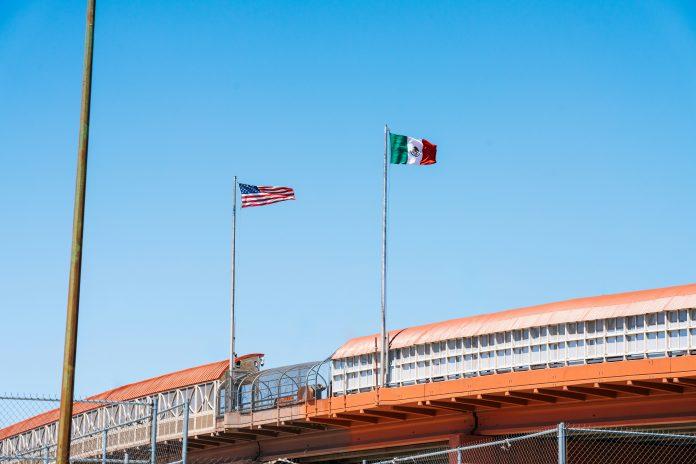
A summer trip took our family to the city where I was born in the northern Mexican state of Chihuahua. It had been 8 years since I visited. Seeing the house where I grew up made me think of the dualities in my life and how far removed it felt from my current life, but memories from my childhood were so vivid that they could wrap me up in a hug and take me right back to my life in Mexico. That is the immigrant experience, living in two worlds where it seems we’re forced to pick, but that’s hardly ever the solution. The good experiences and the tough parts of my upbringing I embrace and treasure, every memory from my two homes are part of me, they’ve seen me develop into the mujer I am today. Porque soy de aqui y soy de allá.
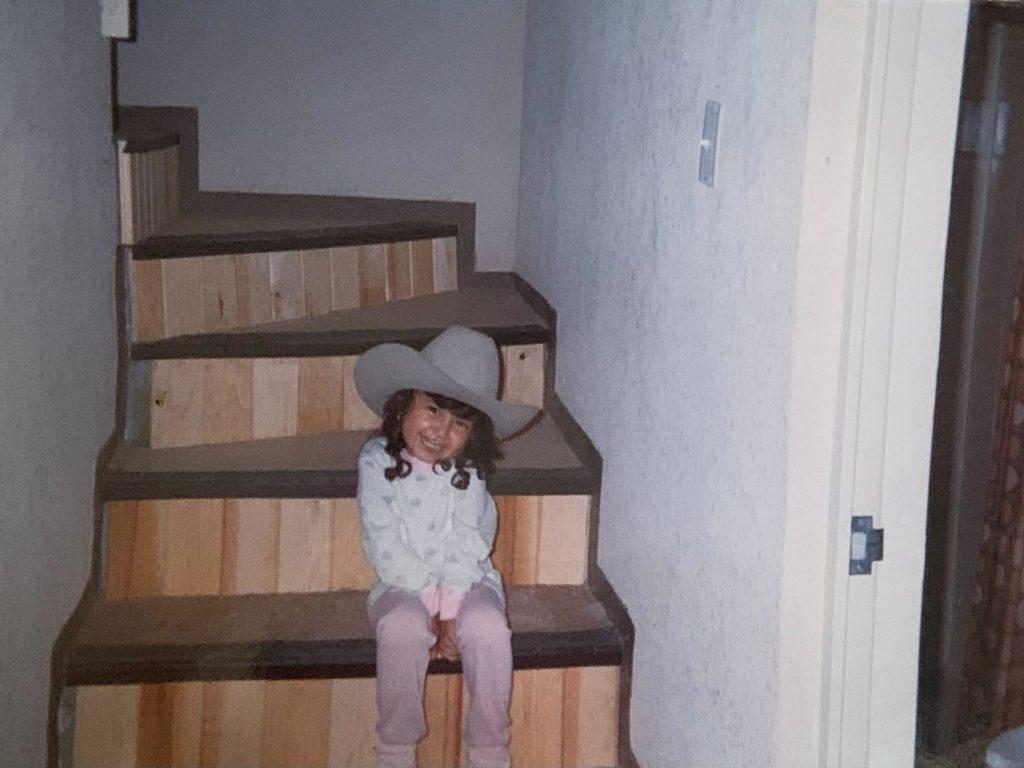
Yo soy Parralense
I am Mexican-American

Yo soy el olor a tierra mojada mientras mi bisabuela barre su patio
I am the fireworks from Fourth of July welcoming my move to the US

Yo soy los días en la tienda de abarrotes de mis abuelitos
I am missing home cooked meals from mi familia

Yo soy las tardes con mis primos comiendo granadas del árbol de mis bisabuelos
I am the polite smile when people speak English to me and I’m clueless ignoring what they mean

Yo fui mi inseguridad de padres divorciados y dudas de mi niñez
I am las cartas de mi madre that remind me I’m not alone 

Yo soy mi tÍa reservándome comida sin cilantro por disgusto de niña
I am the humidity that fogs up my glasses when I go outside in Florida

Yo soy la del cuadro de honor académico
I am the hours my step-mom spends helping me with English homework

Yo soy los bailes y bromas de mi tío ambientando fiestas
I am the courage to go to school everyday not understanding the language

Yo soy las tardeadas de secundaria bailando ska
I am the latin community welcoming otra de las suyas

Yo soy las pijamadas sin dormir con mi cuarteto
I am the protestas and rallies organized for immigration reform

Yo soy los deseos de ser el orgullo de la familia
I am the numerous calls to mi papá asking “¿como arreglo esto?”
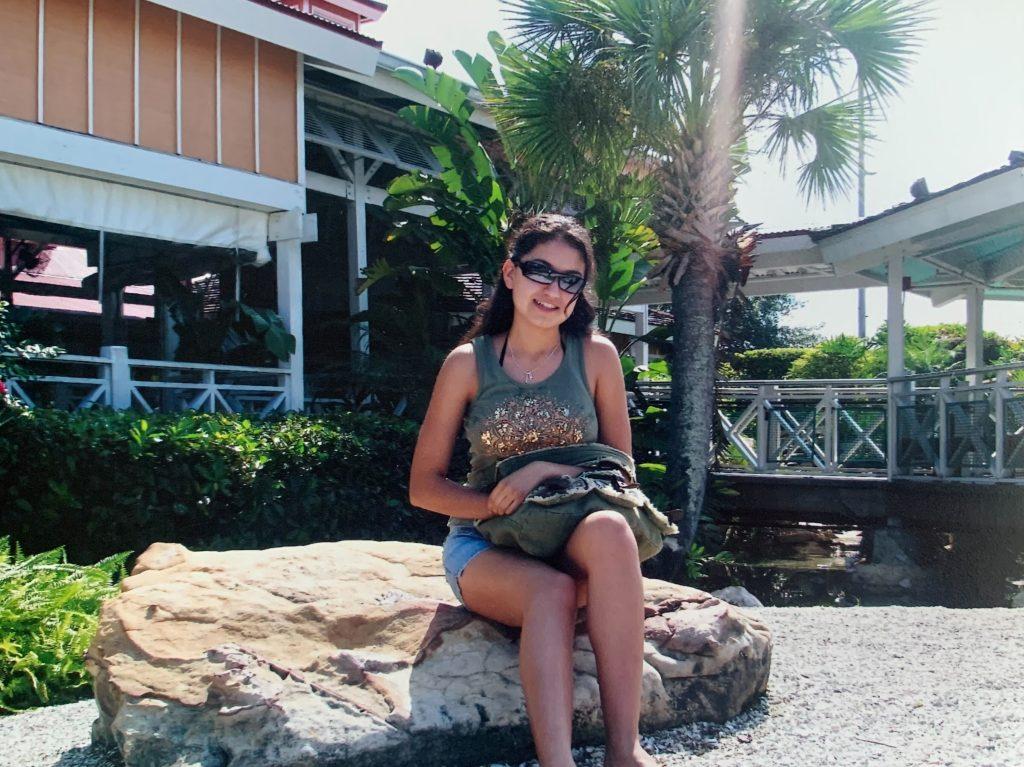
Yo soy la casa de mi abuela, multigeneracional y siempre alguien que viene o va
I am the college applications figuring out how that works

Yo soy las fiestas de cumpleaños organizadas por mi ‘ama
I am my college experience, living at home and working my way through it

Yo soy el olor a chile chilaca en el comal
I am the breezy beach naps

Yo soy la despedida del mundo que conocía
I am the immigrant struggle

Yo soy la hermana mayor
I am the mother of three Floridian kids

Yo soy la suma de generaciones de mujeres que buscaban lo mejor para su familia y los suyos.
I am the complexity of feeling so far from what’s yours and the guilt of starting to embrace a new you. Wondering if everything was really better back home or is the nostalgia missing our love ones and la Tierra que nos vió crecer. Either way, learning to love all of me and what’s helped me to be.
Be Kind to Yourself: Reclaiming Worth Beyond Social Media and Society’s Expectations

0

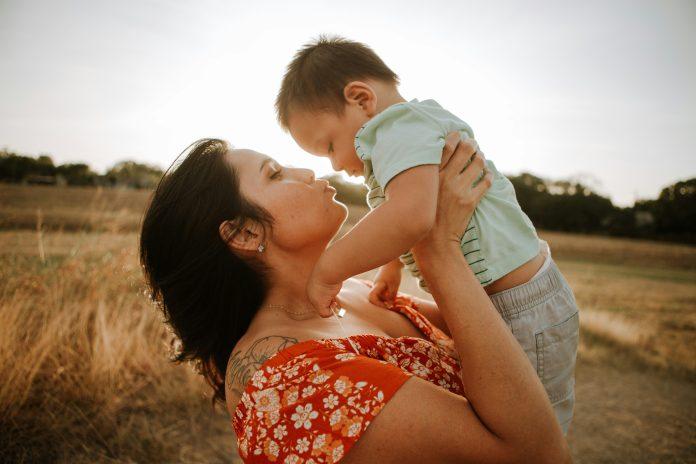
As a Latina mom, my examples of motherhood and womanhood have always been these powerful women who are kind, devoted, strong, and resilient. They are a combination of wonder woman, speedy Gonzalez and a goddess all together. My mom, my Tita, my tia and amigas all have made it look so easy.

However, now that I am finding myself in the role of motherhood, between raising kids, showing up for work, volunteering, and maintaining healthy friendships and relationships; trying to squeeze in a little time for myself is almost impossible. All this leads for my burned out mentality to look at comparison and societal expectations

I often feel the pressure to “do it all”, not only because we have been used to see our families and relatives do it, but personally because I often get the “well your mom lives with you, she pretty much does everything for you.” This comment in particular hits hard, because whether is from co-workers, friends, or relatives, it is hard to try to argue that my mom is not my babysitter, nor my nanny, nor my housekeeper. So here I am trying to work on everything and try to show that I can also do what that mom on Instagram shows in her routine of workouts, kids, DYIs, jobs and endless to-dos.

sOCIAL MEDIA SCROLLING IS NEVER ENDING. tHE WORLD WHERE everyone’s life looks picture-perfect, and it LEADS to start questioning if I’m enough.

But here’s the truth: we are enough. Whether social media is involved, or our society or anyone. Us moms, and especially us Latina moms are worthy more than just a hashtag, filter, or societal standard.

The Pressure We Carry

The cultural expectations we carry as Latinas are, to be the nurturing mom, the supportive daughter, the selfless friend. And while those roles are rooted in love and community, they add such a weight on our worth and path towards believing that we must meet everyone’s needs before our own. Nowadays, we have been added more of the pressure from social media, which tells us how we should dress like, how we should parent, or even what is the correct way to make tortillas de harina, it can leave us feeling like we’re failing.

All these expectations and demand that are present virtually and societally make it almost impossible for us to find the real meaning between right and wrong. Then the questions between, should I put a burrito for lunch to my kid or an organic meal in the $30 bento box give you a severe anxiety because you just feel the need to be hard on you rather than support yourself and your own beliefs.

A New Kind of Kindness

Being kind to yourself means rewriting those messages. I’ve always believed that kindness is free and that it is important to give yourself permission to be real and imperfect. However, as someone who’s constantly impacted by the pressure of what others do, I find myself constantly giving that advice to others but not following it myself.

I am unkind to myself, but I can proudly say that with age, I am finally working to recognize that your worth doesn’t come from likes, followers, or comparisons. Tu valor como mujer y persona, comes from the love you pour into your family, the joy you share, and the courage that runs through our veins as Latinas.

Easy ways to practice kindness can look like saying “no” without guilt. Sometimes it’s making time for lunch and margaritas with that group of friends who lift you up, or ordering pizza for dinner because you don’t feel like cooking and washing dishes for the night. And sometimes, it’s just standing in the mirror and saying, “Soy una Fregona.”

Teaching Our Children by Example

Now, as moms we need to set the tone for how our children see themselves. We need to show them that social media and society are not who define who you are. It starts with us, setting those boundaries, the way that our mothers set the boundaries while raising us. My mom always told me, “Tu no eres ni menos ni major que nadie, tu eres tu y eso te hace mucho y te hace unica”, yet at that time social media didn’t exist. So now as a mom I have to tell my son and my daughters the same thing.

I am working on setting boundaries like unplugging from my phone, or celebrate small wins, all with the idea that they learn that worth isn’t measured by comparison. It’s essential that our children learn that being kind to yourself is just as important as being kind to others.

Your Worth Is Yours

So, to every Latina mom reading this: gracias. Give yourself a high five, and a big hug. Be kind, and value the hustle and the path you’ve gone through. Most importantly don’t allow the power of social media apps define your value nor try to prove yourself to strangers online. Your worth is not up for debate or number of followers, you are earned all of it with your existence.

Being kind to yourself, is having courage to go beyond societies’ expectation. It’s saying, “I am more than enough,” in a world that constantly tells us otherwise. So as I am working on believing my worth, I invite you to do it as well. Let’s work on believing that a TikTok with those Tortillas de Harina is not going to change the recipe with learned from our abuela, and that whether we like working out at 5am or simply taking our coffee at that time doesn’t make us any less of a mother. We need to empower our children, our families, and our comunidad, by empowering ourselves first.

How to Make the Perfect Boo Basket (Latina Style)

0

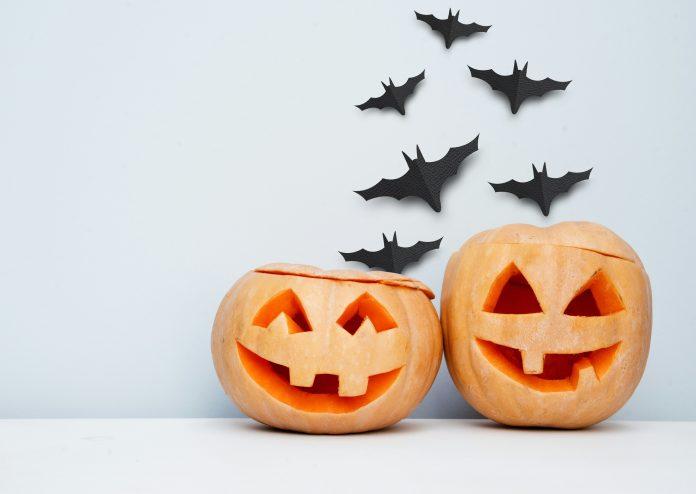
With Halloween around the corner, one of my favorite ways to celebrate the season is by making boo baskets. These festive baskets are a fun and creative way to surprise your kids, neighbors, or friends—and a beautiful way to share joy, community, and family traditions, something we know is at the heart of our Latina families.

Whether it’s your first time making one or you’re looking for fresh inspiration, here’s how to create the perfect boo basket—with a little cultural flair.

What is a Boo Basket?

A boo basket is a Halloween-themed gift basket filled with candy, toys, and little surprises. The tradition is all about secretly leaving a basket for neighbors, friends, or family, and encouraging them to pass the fun along. For us, it’s also a chance to bring our communities together, to celebrate generosity, and to introduce little ones to the joy of giving—a value we hold close in Latino culture.

Must-Have Items for a Perfect Boo Basket

1. Halloween-Themed Baskets or Containers
Start with a festive container. You can get creative and tie in cultural touches, like:

  • Brightly colored pumpkin buckets reminiscent of Día de los Muertos papel picado colors
  • Mini calabaza-shaped baskets
  • Reusable containers that can later hold decorations for Día de los Muertos or Christmas

2. Candy and Snacks
Fill your basket with sweet treats! Include classic Halloween favorites alongside culturally inspired snacks:

  • Candy corn and pumpkin-shaped lollipops
  • Traditional Mexican candies like tamarind or chili-covered gummies
  • Mini chocolate bars or pan dulce bites for a little cultural flavor

3. Fun Toys & Trinkets
Add playful surprises that keep the fun going:

  • Festive rings or bracelets
  • Stickers, temporary tattoos, magnets or small crafts with Latino designs (like calaveras or papel picado motifs)

4. Glow-in-the-Dark Accessories
Perfect for nighttime fun and trick-or-treat safety:

  • Glow sticks or bracelets
  • Light-up wands

5. Halloween-Themed Accessories
Add items that are cute and functional:

  • Socks with pumpkins, ghosts, or bats
  • Hair scrunchies or bows with bright, festive patterns.

6. “You’ve Been Boo’d” Notes
Include a note explaining the tradition. Encourage neighbors to continue the fun, passing along joy and community spirit. Our amigas at City Mom Collective have a printable ready for you to include with your basket.

Latina Mom Collective sometimes links to affiliate links when we share purchases we love and recommend. This means if you click on a product we suggest, like these boo basket ideas, and you purchase from that link, we may make a small commission at no additional cost to you. Every product we share is something we genuinely love, recommend, and have in our own homes!

Raising Bilingual Kids: Language Retention and Family Legacies

0
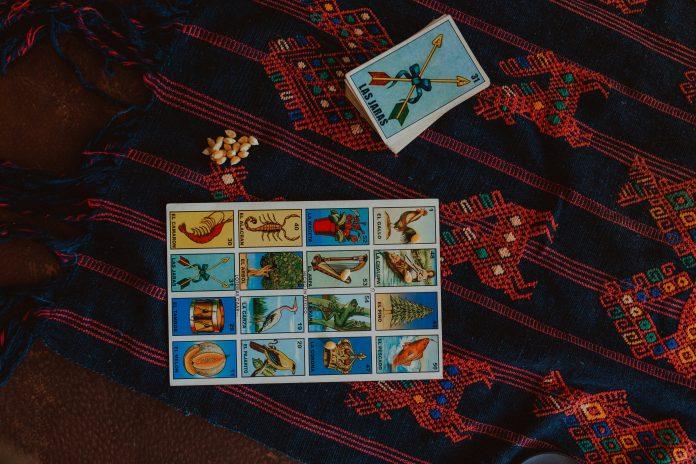
raising bilingual kids | loteria game

Spanish is my first language. I didn’t learn to speak English until kindergarten. On the morning of my first day of kindergarten, I went into my parents’ bedroom and cried because I didn’t know English.

I really struggled with English in pre-k, but I picked it up quickly in kindergarten. It helped that my teacher convinced my parents to keep me in school all day with both the bilingual and English-speaking classes. I learned English so quickly that I was selected to read at my kindergarten graduation.

In the first grade, I mostly stopped speaking Spanish, even at home, and by that point, I was teaching my younger sister English. By the third grade, I had forgotten basic words in Spanish. That’s when my dad intervened and declared no more English at home. Period.

My dad took this further and assigned us readings in Spanish (especially during the summer). My parents were determined to NOT let us forget our language. And it worked.

My sister and I weren’t really resistant to this. Maybe we understood why my parents were so insistent. Regardless, my sister and I both speak, read, and write Spanish fluently, and we only talk to each other in Spanish. It became a running joke (in a good way) among our friends–they know that my sister and I will never speak to each other in English, even if it means having to take the extra step of translating our conversations to our friends.

I clearly remember my worry as a five year-old entering an English-only environment. My daughter is now in the same position: a Spanish-speaking four-year old starting school in an English-only environment.

I was really worried that she would get scared or anxious without being able to communicate with anyone around her, but unlike her mami, she has not struggled to learn English. It’s only been three weeks since the school year began, and her language skills have improved immensely.

I’m relieved, and we practice both languages at home. But I also worry because I know what’s coming…she will eventually want to speak more English than Spanish. I know this is normal. Most of her days will be spent interacting with others in English, and the Spanish will only be spoken at home or among family. She will start to forget Spanish; I’m already seeing it.

So my husband and I will have to tackle this on a daily basis to help her become fluent in both languages. My son doesn’t talk yet, so we’ll cross that bridge later.

Why is it so important for me that my children learn Spanish?

Many of their family members still live in Mexico. If my kids don’t learn Spanish, they won’t be able to communicate with their abuelita, tias, tios, and primos. There are also economic advantages to being bilingual, which I hope help them in their chosen career paths.

But most importantly, I want my children to take pride in their roots. I’m a historian, and I am fully aware of the long history of Mexican and Mexican American children being physically punished at school for speaking Spanish.

I’m currently researching Blackwell School, a segregated Mexican school in Marfa, Texas, where children of Mexican descent were discouraged from, and punished for speaking Spanish. I can only imagine what those children felt when their teachers said that the language they spoke, the language spoken by their parents was…bad. Some Blackwell alumni have spoken about the ensuing trauma from that cultural and linguistic erasure.

I don’t ever want my children to feel ashamed of their identities or their families.

My family, like many Mexican American families, varies linguistically. Our relatives in Mexico speak Spanish (and some members of my husband’s family speak indigenous dialects). The immigrant generation in el norte speaks Spanish and some English, and my generation (the cousins) are mostly bilingual.

Now, our kids speak only English, or are trying to learn some Spanish. But the Spanish language is always present–in the music at the carne asada, at the bailes, in the names of dishes we eat, in the conversations among the elders, in the nicknames we give each other, in the games we play like loteria and toma todo.

For my family, we may not all be fluent in Spanish, but that language represents home. Only time will tell how much (or little) my children will retain in their first language, but I hope it always feels like home.

Las amigas que te ayudan a sobrevivir la maternidad

0
mom friends

Cuando me convertí en mamá, me encontré con mucho menos tiempo para mí, y para salir con mi tribu —como muchas decimos. Las amigas a distancia seguían allí, pero entre pañales, desvelos y rutinas, apenas podía contestar un mensaje.

Y, sin embargo, ellas se quedaron.

El poder de un “¿cómo estás?”

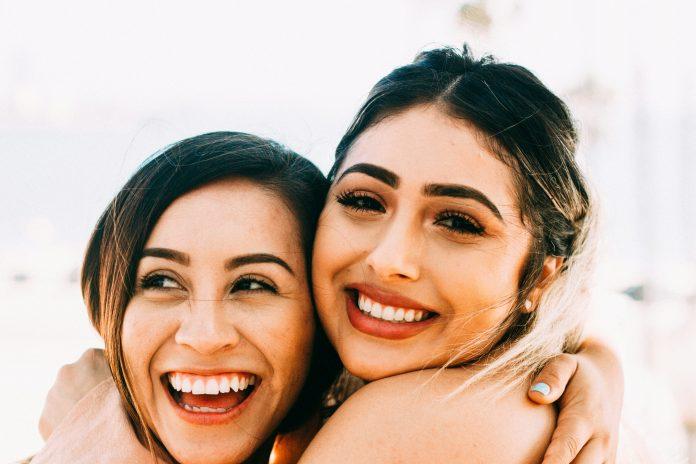
Respeto y adoro a mis amigas que han estado presentes durante mi transición a la maternidad. Con sus mensajes, invitaciones a brunch, o simplemente con un “¿cómo estás?”, me han hecho sentir amada, incluida y acompañada, incluso en mis días más vulnerables.

También agradezco profundamente que entiendan que no siempre estoy disponible. Que sepan que si no contesto de inmediato, no es falta de cariño. Si ellas supieran cuánto me ayuda saber que siguen ahí… que piensan en mí… que no me han soltado.

Compartir historias me aligera el alma

Escuchar sobre sus pendientes, sus historias, sus preocupaciones y hasta sus payasadas —me llena el corazón. Me recuerda que, aunque ahora mi mundo gira en torno a biberones, siestas y crecimiento, sigo siendo yo.

Me conmueve que me pregunten por mi hijo, por cómo va creciendo, por los detalles pequeños que para mí son gigantes. Sé que en sus mundos eso no es prioridad, pero lo hacen con tanto amor, que me hace sentir vista y validada.

Amistades que valen oro

Agradezco profundamente a mi comunidad de amigas. Les debo tanto.

Sus cartas, sus paquetes, sus mensajes de voz inesperados… me han ayudado a reconectar conmigo misma. Por eso, mamás, les digo con el corazón:
esas amistades valen oro.

Las amigas son ese apretón del corazón que te hacen reír a carcajadas y sentirte como niña otra vez. Son quienes respetan tus tiempos, tus límites, tu ritmo. En la maternidad, esos espacios de conexión importan muchísimo.

Porque sí: los días pueden sentirse larguísimos, a veces dulces, a veces agotadores, a veces divertidos, a veces solitarios… y una cita con una amiga, incluso una hora, puede ser todo lo que necesitas para volver a respirar.

Si no tienes una red cercana…

Si estás leyendo esto y no sientes tener una red de apoyo todavía, quiero decirte: no estás sola.

Busca grupos de mamás en tu comunidad —en la biblioteca local, en los parques, en grupos virtuales, o eventos para familias. Aunque al principio cueste, tu comunidad existe y te está esperando.

Tener con quién hablar, compartir, llorar o reír… no es un lujo, es una necesidad.
Porque en los días difíciles, tu red de apoyo puede ser tu salvavidas emocional.

A todas mis amigas: gracias.
Gracias por quedarte. Gracias por acompañarme.
Gracias por recordarme que la maternidad no se vive en soledad, sino en comunidad.

Family Traditions Through the Seasons

0

The older I get, the more I realize how quickly life moves. The seasons roll one into the next—by the time I was done with back-to-school shopping, my daughters were already asking when we could start decorating for fall. (I’ll admit, I’m the one who goes a little extra with the seasonal décor, so they’ve learned that from me.) Between fall leaves, Christmas lights, birthdays, and classroom celebrations, it sometimes feels like there’s hardly enough time to catch my breath, let alone create something lasting with my family.

But one truth has carried me through the busyness: traditions can start at any age, in any season, and in any way that feels right for your family.

Traditions don’t have to be decades old, and they don’t have to be perfectly consistent every single year. They’re simply about creating moments of connection that matter. For example, last year my youngest daughter spent a month in the NICU (very unexpected) after her (very) full-term birth. My life became a cycle of NICU visits, interstate commutes, quick check-ins with my older girls, bedtime stories by my baby’s hospital bed, and a few hours of sleep before starting it all over again. In the middle of that beautifully painful chaos, I had to let go of a tradition we’d done the previous two years—our annual flower farm visit.

Do you know who missed it? No one. And do you know what I’m planning for this coming weekend? A flower farm visit. That little tradition simply went on pause, and that was more than okay.

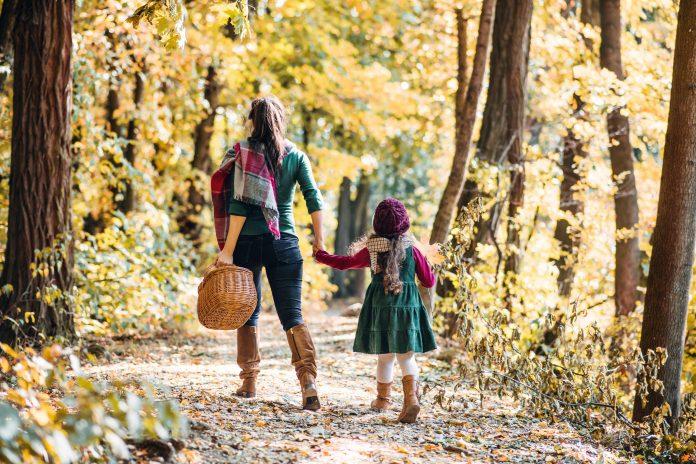
Because traditions don’t have to be rigid. They can ebb and flow with our seasons of life. Maybe it’s baking pan dulce on a random Saturday morning. Maybe it’s cozy fall evenings with hot chocolate and board games. Maybe it’s summertime runs after the paletero or a spring picnic at your favorite park.

For my family, one of my most cherished traditions is our Nochebuena box. Every Christmas Eve since my oldest was a baby, I’ve packed the same box with new pajamas, our favorite Nochebuena book, and all the makings of cookies and hot chocolate. It’s simple, but it has become an evening my girls look forward to every single year.

Even more special, my mom joined in on this tradition too. She didn’t always have the chance to create this specific tradition with me when I was little, but she made sure to show up for them with my girls. That’s the beauty of traditions—they aren’t limited to one generation. They can be created, shared, and even healed through the act of beginning again.

This year, my mom is celebrating Christmas in heaven, but I will still fill that Nochebuena box. I will still keep the tradition alive—not just for my daughters, but as a way to honor her love and presence in our lives.

And that’s the thing about traditions: they don’t have to be big, extravagant, or perfect. They don’t have to look the same for every family. They can start small, pause when life gets heavy, or return years later when the time feels right.

Because at the heart of it, traditions are not about the things themselves. They are about the memories, the laughter, and the threads of love that weave our families together across time.

So if you’ve ever felt like you “missed the chance” to begin something special, let me remind you: you haven’t. You can start a new tradition this week, revive an old one, or gently let one go and make space for what your family needs now.

Life moves quickly—the seasons, the holidays, the milestones. But traditions invite us to pause. They remind us that in the middle of the rush, we can still choose moments that matter. Big or small, long-standing or brand new, they are the threads that hold us together. And the best part? It’s never too late to begin weaving them.

Representation, Heritage, and Hope: What the 2026 American Girl of the Year Means for Latina Moms

0
2026 American Girl of the Year

There are few moments in life more powerful than seeing your child’s face light up because she sees herself in something. As a mom, I’ve longed for that moment. And now, thanks to American Girl’s 2026 “Girl of the Year,” I feel like finally — I do.

A Legacy of Representation and What’s Changed

Since the American Girl franchise introduced the “Girl of the Year” line 25 years ago, each year marks a chance for a girl (and the family that supports her) to find someone to look up to. These dolls offer more than just toys: they carry stories, values, identity, culture, and a sense of belonging. Over time, American Girl has increasingly diversified its characters — across race, ethnicity, interests, socioeconomic background — but the representation hasn’t always felt quite personal, at least not for every child who wasn’t seeing her exact story reflected.

Meet Raquel Reyes

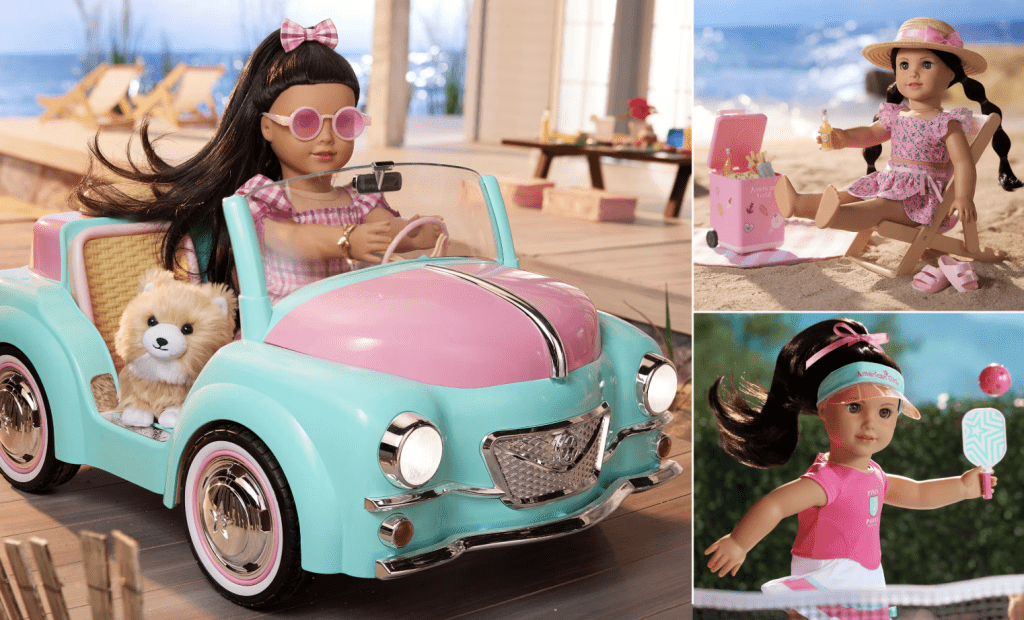
Photo Collage of the 2026 American GIrl of the Year Raquel Reyes. Raquel in her car. Raquel with paletas. Raquel playing pickleball.
Photo: Mattell

Introducing Raquel Reyes, the 2026 American Girl of the Year. She’s a vibrant, 10-year-old girl with a story that’s deeply rooted in both Mexican-American culture and American Girl’s historical world. Her dad is Mexican-American, her mother is a descendant of Samantha Parkington (one of American Girl’s original historical characters). Raquel lives in Kansas City, and she helps run her family’s shop of paletas (those joyful, fruit-based Mexican popsicles). She has a rescue dog (“Luzita”), a little brother, and loves things like pickleball, the beach, DJ-ing, and animal rescue.

Her story even connects back through generations: she goes on a journey (literally and emotionally) to New England for a family reunion where she visits Samantha’s old home, discovers Samantha’s diary from when she was 12, and realizes that many of the worries and hopes that Samantha had long ago are still relevant in Raquel’s life today. Identity. Belonging. Family. Kindness. Cultural pride.

Why It Feels So Personal

When I was a little girl in an elementary school where the majority of students were Mexican, I would spend hours in our small, cramped library, often in one particular corner. The American Girl books were there. I read them, loved them, but most of the characters didn’t look like me, didn’t share my family dinners, my language at home, my traditions. Still, I turned the pages finding something familiar, something affirming.

As a mom now, I want more for my daughters. I want them to know that their skin tone, their culture, their mixed heritage, their love of both tacos and picnics, their stories of travel, family, music, tradition—all of it—is seen, valued, worthy of center stage. To see Raquel Reyes announced as this year’s Girl of the Year — a character with Mexican-American roots, family, culture, fun and modern struggles — makes me feel hopeful that the stories we tell our children will be richer, more inclusive, more true.

The Power of Story & Representation

Representation isn’t just about seeing someone who looks like you. It’s about being able to believe, to dream, to feel that your story matters. When children see themselves in books, dolls, media, they internalize the message: I belong here. I matter here. For Latina girls, girls with mixed heritage, girls who speak more than one language, whose family recipes fill the air with smells their friends have never known — that mattering is everything.

Raquel’s story does more than give one more doll in the line; it weaves together culture, history, family, modern challenges, and optimism. It invites conversations: “What does heritage mean to us?” “How is my story part of a larger story?” “What do I want to carry forward?” And in those conversations, identity builds confidence, love, and pride.

What This Means Moving Forward

I hope that Raquel Reyes as the 2026 American Girl of the Year is only the beginning of an even more expansive representation in children’s media. I hope for more characters who straddle cultures, who grow up between worlds, who speak two languages or more, who cook traditional foods and listen to modern music, who sometimes struggle with identity and sometimes feel like the main character in a fairytale.

I hope my daughters understand that their full selves — every part — deserve to have stories, dolls, books, and spaces that reflect them.

10 Hispanic Children’s Books That Inspire Representation

0
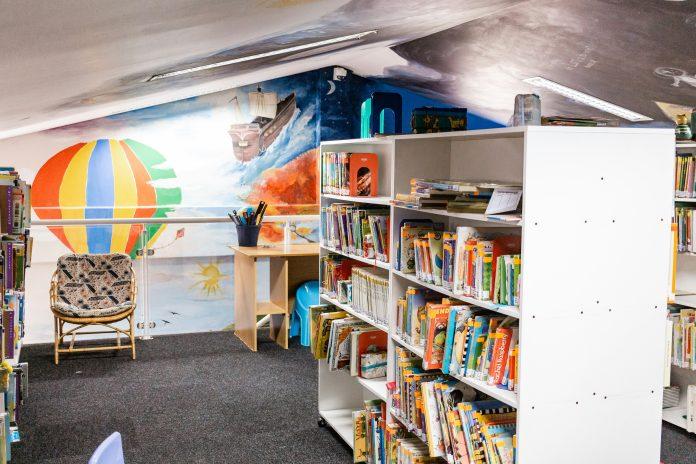
Bookshelves in Library | Hispanic Children's Books

For the past 14 years, going to story time at our library has become a tradition. When I was dating my husband, taking my stepdaughter to story time downtown was part of our little weekend fun. Seeing and connecting with the readings and enjoying the fun and cultural activities always made me happy. Once we had our firstborn, adding him to our tradition was even more meaningful.

Years later, many life events that include separation from my stepdaughter, COVID, and much more led us to become distant from this tradition for a while. But recently, as I have regained that focus in loving and embracing our culture beyond the Hispanic holidays, we have readopted the tradition of story time on the weekends.

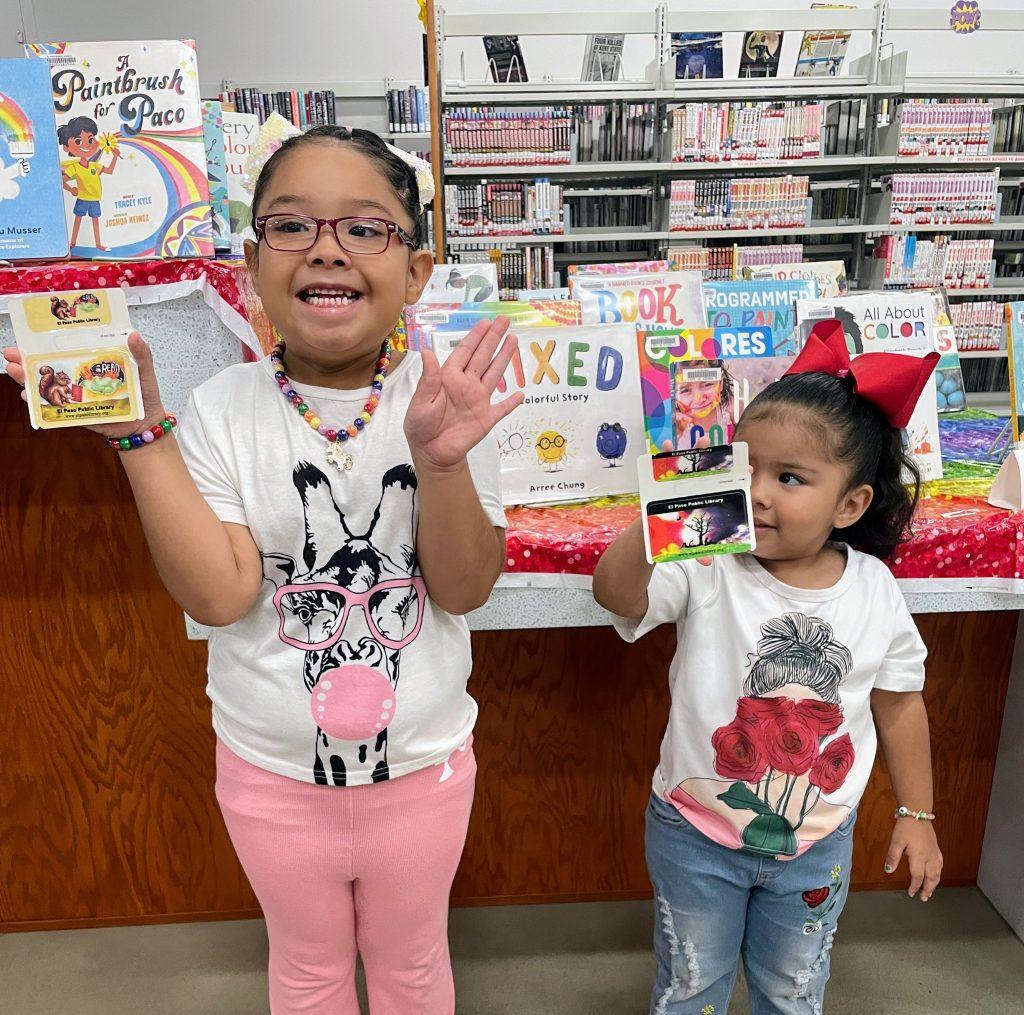
Getting this routine back at home is amazing; now books are part of our weekend routine. Every Saturday, we go to the library and enjoy our story time activities. This has become a must-do activity because all 3 kids will go with us. While my 13-year-old son may not be so into the stories and crafts his sisters love, he does go to pick a book and interact with any other activity that may be taking place at the moment. And every week, we try to pick at least one Latino book to bring home.

Why? Representation matters, and with recent events, it’s essential to teach our children about our culture, our Hispanic roots, and our hermandad with other Hispanic cultures. Living in El Paso is such a beautiful experience because we have the sisterhood of 2 countries and 2 cities in the most normal way. Yet, we are not experiencing a higher diversity of Hispanics in our city, and unfortunately, also negative events that can create confusion for the kids.

Reading a Latino/Hispanic book allows my kids to see themselves, their culture, and their community in the stories we read. It’s bringing them more joy and passion to see the courage and strength our culture has, and most importantly, as they get older, they will have that love for their culture to not feel like they deserve less than anyone else.

This Hispanic Heritage Month is the perfect way to create this small routine of adding Hispanic Children’s books to your bookshelves as a reminder of our beautiful culture and communidad.

These are 10 children’s books that we have read and plan to read to celebrate our voices, traditions, and stories. I hope they serve as an inspiration and you can read with them, your family too.

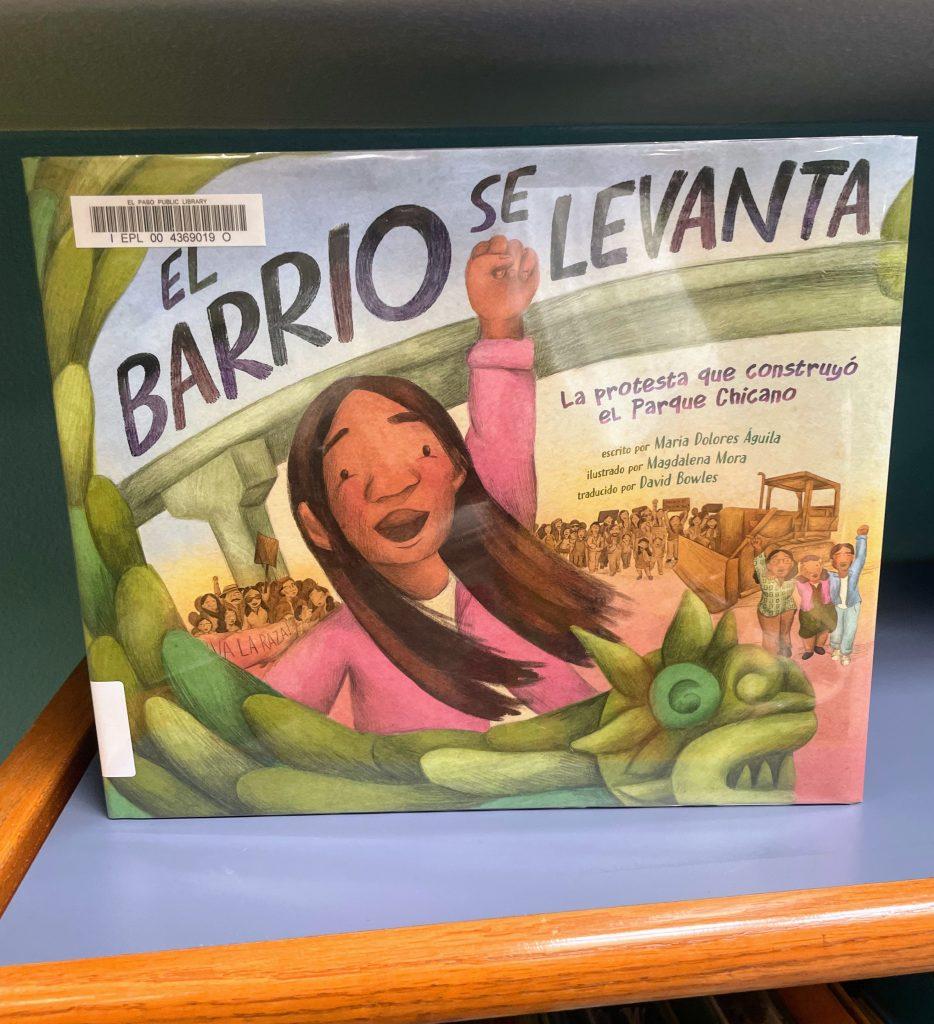
1. El Barrio Se Levanta by María Dolores Aguila

It’s a powerful story about the strength and activism by our communidad that led to the construction of San Diego’s Chicano Park in 1970, which is home to the largest collection of outdoor murals in the United States.

2. Abuela’s Fideo: A Story of a Grandma’s Love by Dr. Ma. Alma González Perez

A caring and meaningful story about Dulce, a young girl who loves homemade fideo, but especially likes the one her Abuela used to make, who recently passed away. This story touches on family love and loss, while embracing the power of our culture in cooking and recipes.

3. Alma and How She Got Her Name by Juana Martinez-Neal

Alma Sofia Esperanza Jose Pura Candela thinks her name is too long, until she goes in a mission to find the meaning behind each one. This story is a beautiful reminder that our names carry more than the literary meaning, but also the stories of our ancestors.

4. Carmela Full of Wishes by Matt de la Peña and Christian Robinson

This one is a favorite for my daughters. Carmela finds a dandelion and begins to dream big about what wishes she can make.

5. Round Is a Tortilla: A Book of Shapes by Roseanne Greenfield Thong

Fun and interactive story to learn about circles, squares, triangles, and other shapes by incorporating our Spanish words and folk art. Great book to blend learning and cultura.

6. My Papi Has a Motorcycle by Isabel Quintero

This book is a beautiful description of a father-daughter relationship. However, it goes beyond by embracing the love and connection with our community. This is what I can describe as a celebration of family and place.

7. Dreaming of a Quinceañera by Yamile Saied Mendez

My girls love this book! This book talks about two sisters and how little Ellie loves seeing the planning and excitement behind Isabella’s quinceañera. The excitement and storytelling of the traditions behind a quinceañera showcase the beauty of our culture that goes beyond the puffy dress and party hall.

8. Planting Stories: The Life of Librarian and Storyteller Pura Belpré by Anika Aldamuy Denise

A powerful book that presents the biography of a storyteller, puppeteer, and first Puerto Rican Librarian in New York, Pura Belpre. This story is so inspiring because it highlights the beauty of bilingualism and the courage to fight for your dreams.

9. Where Are You From? by Yamile Saied Méndez

This book talks about the innocence of a young girl who gets asked this question over and over. But with the help of her abuelo, she discovers that where she’s from is more than one place. The beauty of finding that you are from more than just a city is what makes you unique.

10. The First Rule of Punk by Celia C. Pérez

This one is one of my favorites for our teens. This story about Malú, a girl who’s navigating identity, brings us to the way many of our young teens are facing as they are setting their identity. There are no rules when it comes to finding your place, your friends, and yourself.

Sharing these books isn’t just about reading; it’s about showing your kids a representation of themselves and their background. This helps them see that pride, identity, and resilience are beautiful things. It’s about helping them see that their culture is worth celebrating every single day, not just during Hispanic Heritage Month

Looking for even more books to add to your shelves. Check these out!

Latina Mom Collective sometimes links to affiliate links when we share purchases we love and recommend. This means if you click on a product we suggest, like these Hispanic children’s books, and you purchase from that link, we may make a small commission at no additional cost to you. Every product we share is something we genuinely love, recommend, and have in our own homes!

Hispanic Heritage Activities, Books & Printables for Kids

0

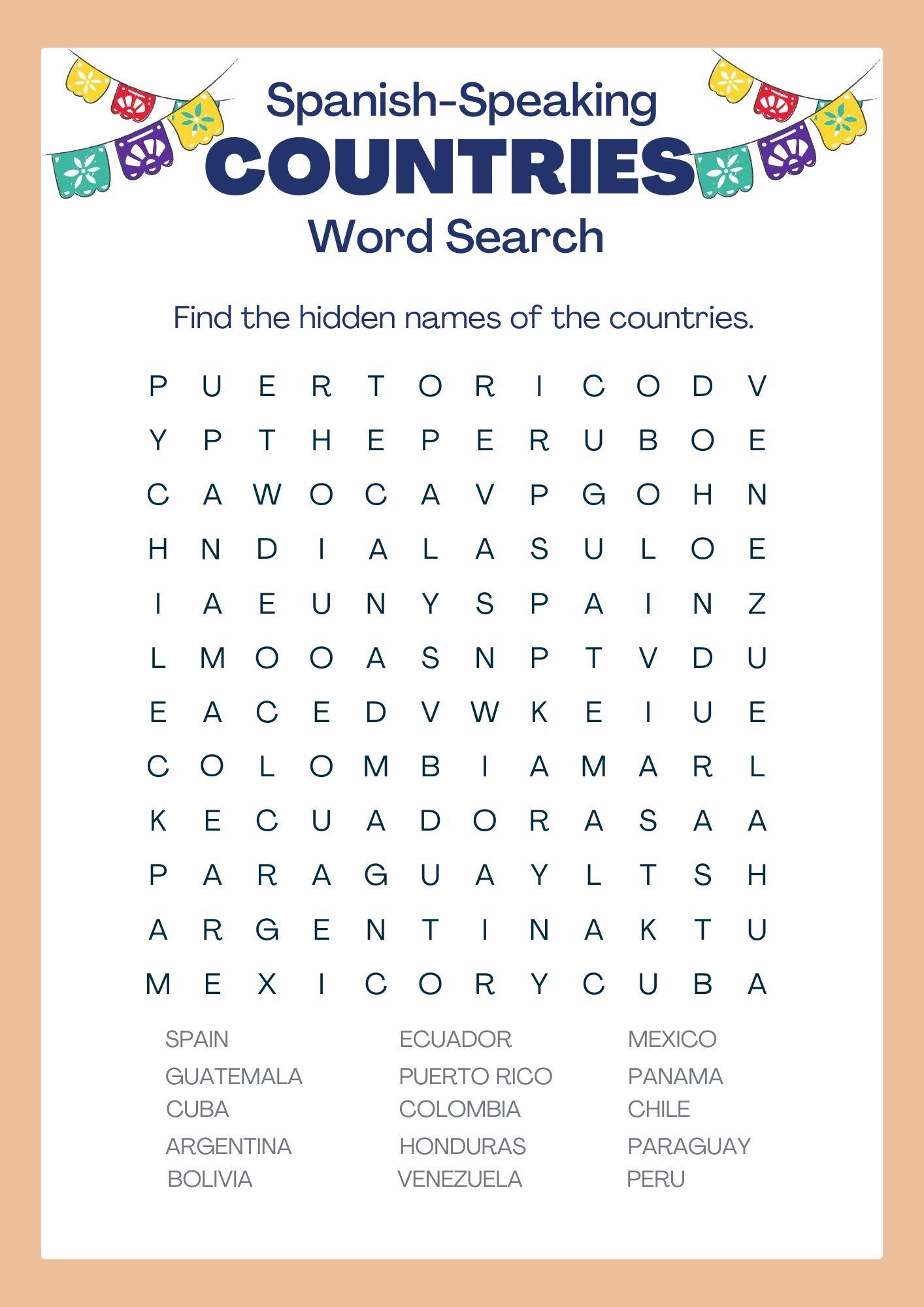
Hispanic Heritage Month is here! What better way to embrace the culture and celebrate with your kids than with some cool activities. Make Hispanic Heritage Month fun with crafts, movie nights, coloring pages, and a word puzzle! This fall is the perfect time to teach your kids all about our wonderful Latino community. To help you celebrate this 30-day celebration, I have compiled a list of fun activities you can do with your kids.

Crafts

Unique crafts such as these can encourage inclusivity among children and help them understand the history behind different cultures. Crafting is a wonderful way to bring people together and increase cultural awareness – especially during Hispanic Heritage Month.

  1. DIY Papel Picado Banner
  2. Pinata-inspired Photo Frames
  3. DIY Matchbox Shrines
  4. Tin Foil Art
  5. Guatemalan Worry Dolls

Movie List

Embrace this month by watching family-friendly movies inspired by the wonderful Latino culture. Each of these films are kid-friendly (rated PG) and give kids a unique insight into the cultures.

Free Printables and Word Search

Picture Books

One of the best ways to celebrate Hispanic Heritage Month is through the words and imagery that those within that community create.

Activities and storybooks like these are essential in helping children increase their language skills, break stereotypes, and connect with their personal heritage. Hispanic Heritage Month brings recognition to the Latino community and cultivates a more inclusive society. By making learning fun, your kids will gain knowledge and respect for the Latino culture and help teach children to embrace their roots and help them see how unique they are as

Celebrating Latino Conservation Week: Connecting Culture, Community, and Nature

0
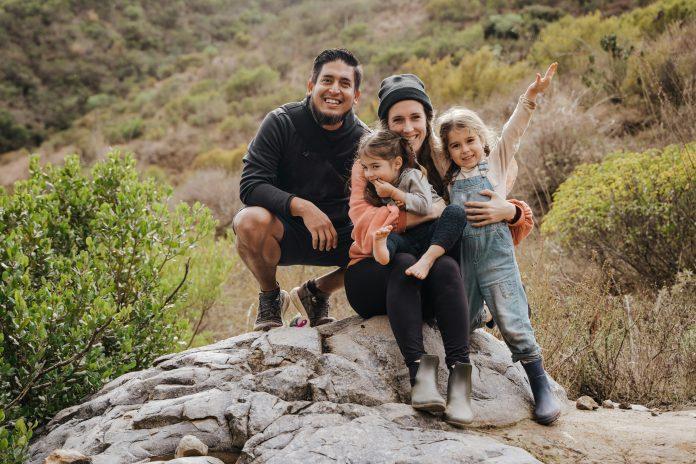
Latino family posing for a photo on a hike | Latino Conservation Week

For the past six months, I’ve been deep in a new hobby: gardening. And because I tend to go “all in,” I’ve joined Facebook groups, subscribed to plant newsletters, and read way too many articles. Along the way, I’ve learned why native plants matter for the local ecosystem and even researched which flowers help the bees the most.

In one of those gardening groups, I stumbled across something I’d never heard of before—Latino Conservation Week. I couldn’t wait to tell my Mexican-American teenager (though, in typical teen fashion, she was less excited than I was). Still, I’m thrilled to share what I’ve learned:

What is Latino Conservation Week?
Latino Conservation Week, or LCW, is an initiative of the Hispanic Access Foundation. It was created to encourage the Latino community to get outdoors and take part in protecting our natural resources. In 2025, it runs from September 13–21, which I love because it overlaps with the start of Hispanic Heritage Month. All kinds of organizations and agencies host events across the country. You can check the full list here to see if something is happening near you: LCW Events 2025. When LCW first launched in 2014, there were only 9 events. By 2024? Over 360 events nationwide! That’s incredible growth and impact.

This week has brought more attention to the vital role Latinos play in conservation. According to the LCW website: “It’s led to recognition from local, state and national elected officials of the important role Latinos play as stewards. Latino Conservation Week has emphasized the Latino community’s passion for the outdoors.”

LCW’s website even offers a free activity for families. There’s an English and Spanish version, which includes a short kid-friendly podcast plus a printable activity page you can take along to your local park. You can find it here: LCW Kids’ Resources.

Whether you’re an avid gardener like me or just someone who enjoys a walk in the park, Latino Conservation Week is a great reminder that our voices and actions matter in caring for the world around us. It’s a chance to celebrate our heritage, connect with nature, and pass down that love of the outdoors to the next generation. I hope you’ll check out an event near you—or simply take your family outside this week and make your own memories in the fresh air.

MOST POPULAR

an image of the free summe memory banner

Free Summer Memory Banner Printable for Moms: A Simple Way to Display Summer Memories

0
There are thousands of photos on my phone right now. Note to self: Back photos up to Google Photos because my phone is full. Pool...
watermelon sliced on counter | 4 easy summer recipes

4 Easy Summer Recipes for Slow, Sunny Days

0
There’s something about summer that pulls us back into the kitchen in a softer way. Less rushed dinners. More fresh fruit. More recipes that...
Mom and Son Walking Along Brick Wall | Between Protecting Them and Letting Them Fall | Motherhood

Mamá Can’t Catch Every Fall

0
Jessica shares about motherhood, sacrifice, and learning when to protect our children—and when to let them stumble and grow on their own. Over ten years...
mom grandma baby | latina motherhood

Peeling Back, Growing Forward: Notes on Latina Motherhood

0
If I could write a letter to my younger self about motherhood, I don’t think I’d ever finish it. Not because I wouldn’t know...
mom zipping up child's backpack | Becoming My Child’s Advocate

Becoming My Child’s Advocate

0
Special Education. IEP.Delay. Delay. Delay.This was not in my plans for my child. And yet, I feel like I was prepared for this half...