Mom Burnout: We Need a Break, Too

2

Have you seen that meme that says something like, “Moms complain they need a break from their kids and then don’t want to leave their kids. It’s me, I’m moms.” Hands up if you could have written this yourself. I probably have this thought once a week and even though I know I deserve a break and should take one for my own health, I struggle with it. Mom burnout is real and it’s definitely taking a toll on us.

Before diving into the rest of this post, I need to address two very important topics relating to needing a break.

First, I understand that I am in a seat of privilege when it comes to having a partner in my husband who sees when I’m nearing my limit. I know not all moms have this kind of support within their own walls. If you’re one of those moms, I hope that some of the tips that I share below give you an idea of what you can do in just a few minutes of your day – and I know, if you’re a single mom even one minute can be a lot – but I hope it can help.

Second, if you find yourself needing a break, I need you to know something, you are not a bad mom. You are a human who has physical and mental limits. You were never meant to be everything for everyone every hour of the day. You are no less of a mother if you need a few moments, an afternoon or even a night to fill your cup. Always remember, you can’t pour from an empty cup and you and your children deserve the best version of yourself.

Signs of Burnout

So, how do you know if you need a break? According to the Cleveland Clinic, some of the most common symptoms of caregiver burnout (and yes moms, you’re caregivers) are:

  • Loss of interest in activities previously enjoyed.
  • Feeling blue, irritable, hopeless and helpless.
  • Changes in appetite, weight or both.
  • Changes in sleep patterns.
  • Feelings of wanting to hurt yourself or the person for whom you are caring.
  • Irritability.

Does any of that look familiar? I know I have reached my limit (or I’m near it) when the mom rage comes out. I find myself growing impatient with my daughters and my husband and that turns the entire house upside down. Another one that is a sign for me is when I stress eat. When I’m being productive and practicing healthy habits, I’m able to focus on fueling my body the right way, when I’m at the end of my rope, I tend to mindlessly eat because it’s easier to go through a drive-thru or grab a piece of candy for a sugar rush in the middle of the day.

When Burnout Hits

Did you know there are 12 stages of burnout? This model was developed by psychologist Herbert Freudenberger and his colleagues.

  1. Excessive drive/ambition. Think of it as trying to be the perfect Pinterest Mom by being Super Mom – or at least wanting to be super mom.
  2. Pushing yourself to work harder. Ambition pushes you to work harder.
  3. Neglecting your own needs. You begin to sacrifice self-care like sleep, exercise, and eating well.
  4. Shifting Blame. Instead of acknowledging that you’re pushing yourself to the max, you blame circumstances or everyone else around you and not the fact that you just can’t do it all.
  5. No time for social needs. You begin to withdraw from family and friends. Social invitations to parties, movies, and dinner dates start to feel burdensome, instead of enjoyable.
  6. Denial. Impatience with those around you mounts. Instead of taking responsibility for your behaviors, you blame others, seeing them as incompetent, lazy, and overbearing.
  7. Withdrawal. You begin to withdraw from family and friends. You skip moms night out or meeting up with that friend for a coffee date.
  8. Behavioral changes. Do you find yourself snapping at your kids or spouse more?
  9. Depersonalization. Feeling detached from your life and your ability to control your life.
  10. Inner emptiness or anxiety. Feeling empty or anxious. You may turn to thrill seeking behaviors to cope with this emotion, such as substance use, gambling, or overeating.
  11. Depression. Life loses its meaning and you begin to feel hopeless.
  12. Mental or physical collapse.  Mental health or medical attention may be necessary. If you find yourself at this point, please stop listening right now and call a trusted friend or medical professional for help.

Overcoming Burnout

While stress may be unavoidable, burnout can be preventable. Here are three steps you can take that may help you fight off burnout. As always, check with your medical provider or a license mental health professional to find what works best for you.

  • Exercise When I find myself feeling overwhelmed, I turn to moving my body with intention. Whether that’s a quick walk around the block or practicing some stretching or calming yoga movies, when I move my body I can automatically feel my body let go of the stress I’ve been carrying. You don’t necessarily need to have a full 30-minute work out or something super intense. Mini workouts and short walks are convenient ways to make exercise a daily habit.
  • Practice good sleep habits. Okay, you can stop laughing now. I get it, as moms we sometimes stay up late to have a little peace and quiet or watch that one Netflix show we can’t watch with the kids around. Seriously, I get it. As much as we have our our plates, we need to be sure that our bodies get plenty of time to rest and reset, which is why healthy sleep habits are essential for our well-being and our families. According to the National Sleep Foundation, avoiding caffeine before bedtime, establishing a relaxing bedtime ritual, and banning smartphones from the bedroom can help promote sound sleep hygiene.
  • Reach out for help. If asking for help feels difficult, consider developing a self-care “check-in” with close friends and family members so that you can take care of each other during trying times.

Not feeling burned out, but worried about friends and family members who may be burnt out? Listening to their concerns, validating their emotions, and offering specific types of support can help lighten the load.

As moms, we often care for everyone else under our roof before we even have time to realize that we are in need of a serious break. If you find yourself on the brink of mom burnout or just in need of a quick break, take it. Whether you’re working long hours or taking care of young children, remember to sprinkle some joy into each day and practice fulfilling moments of rest. You do deserve it.

Infusing Culture into Your Home: Simple Ways to Celebrate Your Heritage

0

Home is more than a space where we sleep and store our belongings; it’s a reflection of who we are, our values, beliefs, and culture. Intertwining our Latino culture into our home through decor, artwork, and other items is my favorite way to celebrate diversity and create a space that feels personal and meaningful for my family. As much as I love our culture (Mexican and Bolivian to be exact), I do still want our home to have a certain aesthetic and vibe. Over the last few years, I’ve leaned more into minimalism and neutral colors and that doesn’t also mesh well with the vibrant pieces of decor I find from our cultures. Yet, I’ve found a few ways to add culture to our home decor aesthetic with pieces that remind us of where we come from and our family history, including in our kitchen.

Choosing Meaningful Pieces

From items that we have found while traveling to items that have been given to us, we have pieces throughout our home that can spark conversations and personalize our space. I love adding specific pieces that have been handed down to us because the nostalgia is genuine and brings us closer to the family members that we no longer have in our lives or whom we don’t get to see as often as we’d like to visit.

I’ll be honest, while we do have a few items throughout our home, we do have some in our storage area. While we’re grateful for everything that we receive and have collected over the years, I’ve learned that having a peaceful home filled with pieces that mean something to me are important than placing items on every surface.

Creating Cultural Corners

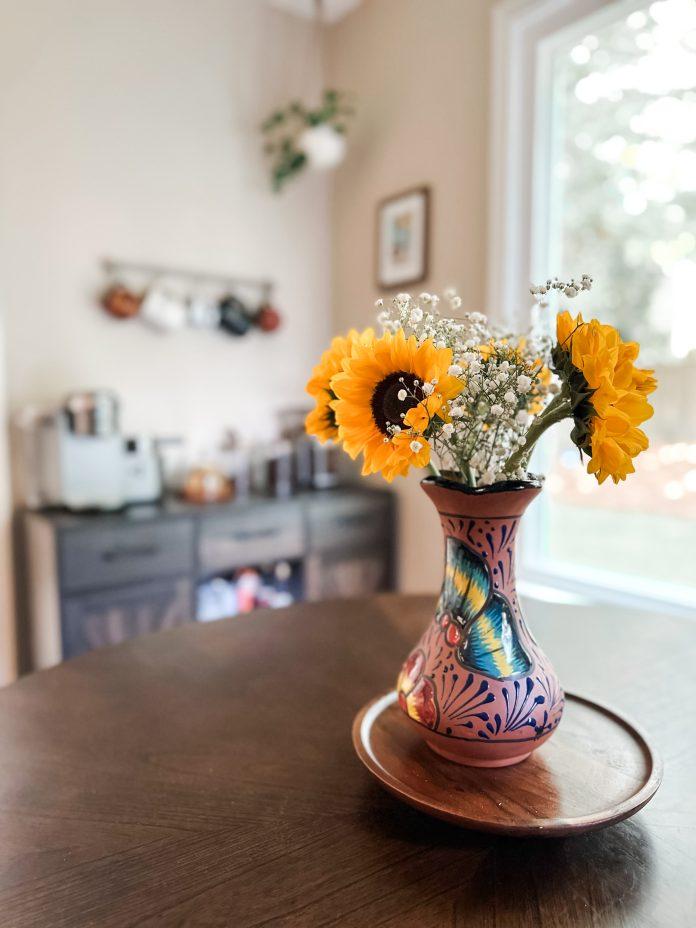
One of my favorite spots in my house is my coffee bar area. From this spot, I often watch my daughter play in the backyard or in their playroom which is right next to the coffee bar. In this area, I also have a few items that bring me closer to my culture. There’s an original piece of art, a Mexican clay vase and a plantita hanging from the ceiling. There are also a few Mexican mugs for our coffee. These simple touches in one part of my home definitely make my home not only feel cozier, but also bring a bit of my Mexican culture into our space without overwhelming everything else.

A few other areas like this in our home are actually even more simple, we have a gallery wall with black and white photos of family members from Bolivia intertwined with our current family photos. There are a few mementos and candles that are reminiscent of the lands of our ancestors in my office. My girls have a shelf dedicated to only multicultural and bilingual books that allow them to explore stories on their own.

From Sight to Taste

There is no way to talk about our Latino culture without mentioning the delicious food that comes from our home countries (or the countries of our families). I may not be the best cook out there, but when I find a recipe I am dedicated to making it taste as authentic as possible. Whether that’s making Mexican paletas during the summer or pozole on cold winter days, I’m doing my best to introduce my daughters to the ingredients that come from Mexico or Bolivia. Once the cooking aromas take over the house, there’s no denying that we’ve brought a bit of our culture home.

Whether it’s through gifts we’ve received from our family in other countries or bringing recipes into our kitchen, we’ve been able to add a bit of our culture to our every day lives in simple ways. Are there ways that you bring a bit of your family’s history into your home? We’d love to hear your ideas over on Instagram or Facebook if you’d like to share how you’re sharing your culture in your own homes.

Enhancing Childhood Development: The Power of Reading Aloud and Audiobooks

0
The Power of Reading Aloud and Audiobooks

The best parts of my childhood revolve around books. Whether they were picture books or chapter books, those pages created magical worlds. My imagination would run wild and I found myself daydreaming of the places that I read about. Little did I know that I was dreaming and learning at the same time.

Did you know that embracing our imagination through reading — through both reading aloud and audiobooks — is key to a lifetime of learning. Whether they’re only beginning to grasp language or a middle-schooler diving into more complex stories, our willingness to read to our children is a priceless gift. It’s a practice that not only fosters a love for stories but also lays the foundation for a lifetime of learning.

A Gateway to Worlds Unseen

When we read aloud to our younger children, we’re not simply sharing stories; we’re opening doors to new vocabularies and concepts. Picture books become gateways to dreamy realms, where dragons roam and heroes rise. But the benefits extend far beyond entertainment. Through reading aloud children absorb the rhythms and cadences of language. They’re then able to refine their own speaking skills in the process.

For older or independent readers, the magic of reading aloud still exists. It offers an opportunity for shared exploration. Parents and children can discuss complex themes and characters. Reading with a parent even allows them to have access to stories that may beyond their current reading level or preferred genres.

Bridging the Word Gap through Reading Aloud and Audiobooks

Aside from exploring new worlds, reading also helps children access new words. Accessing these new words “bridges the word gap.” What is the word gap? By 3 years of age, there is a significant difference in exposure to new words between children from the wealthiest and poorest families.

More research shows that children exposed to fewer words face significant disadvantages in school readiness and long-term educational outcomes.

Empowering Struggling Learners

For reluctant readers or those struggling with language barriers, audiobooks can empower them in encouraging ways. They allow them to engage with content beyond their reading level while fostering a love for reading. Audiobooks provide struggling readers with an immersive experience, enhancing comprehension and leading to appreciation of written text. Audiobooks can also boost confidence, improve fluency, and instill a sense of accomplishment in them.

Including Average and High-Level Readers Through Reading Aloud and Audiobooks

But audiobooks aren’t just for struggling readers; they cater to the diverse learning styles of all students. Average to high achievers can use audiobooks to explore more challenging texts, try new genres, or refine their fluency. With both reading aloud and audiobooks, these readers can explore more variety or challenges on their own terms.

Do you remember the first time you were read aloud? Or what about when a teacher read aloud a book that you loved in class? Maybe you’ve never experienced the magic of hearing a story told to you (for that I am so sorry because you deserved that experience). No matter where you fall in that spectrum, you can begin a new journey of reading with your children and family. In just a few minutes every day, you can expand their horizons and begin setting them up for success. 

Or, maybe, you’re struggling with your own reading fluency or just struggle with time. By using audiobooks for your reading sessions, you can contribute to your child’s development with a few clicks of an app. 

So, pick up a book, hit play on an audiobook, and embark on a journey of imagination with your child today. The benefits of reading aloud and audiobooks will last a lifetime.

Looking into how to begin using audiobooks for your family’s reading journey?

StoryKasa is a free audio storytelling platform that provides families, schools, and communities an easy way to create and listen to stories from around the world and in multiple languages. Discover the magic of storytelling through StoryKasa’s library of audio stories by clicking here

While this post is part of a series that has been sponsored by StoryKasa, all opinions, thoughts and research is shared in truth by the Latina Mom Collective Editorial Board.

The Power of Family Stories: Strengthening Bonds and Building Literacy

1

“Is that an old song, mama?” My little one asked me one day as I sang her to sleep. “Yes, Tata [my father] taught it to me when I was little.” 

“Will you tell me about it tomorrow?” She yawned as she closed her eyes. As she drifted to sleep, I thought of the first times I heard that song. I could feel myself sitting in a small church down a dirt road as my dad played his black guitar while singing the song that is now ingrained in my mind. For my daughter, that memory would just be a story but for me it was history.

Stories like that are all around us aren’t they? In the midst of our busy schedules and everyday life, we sometimes forget to retell those stories or feel we need to wait for the “right” moment to share them with our children. But those stories that come from our families over the years hold more than just old memories; they are what weave together the members of our family shaping our identities and strengthening our bonds.

Importance of Family Storytelling

Research has proven that when we share our family stories there are long-lasting impacts for our children. A study highlighted by the University of Nevada, Reno, emphasizes that family stories provide not just a glimpse into the past but also a sense of continuity and belonging for children. When parents share these tales, children perceive their family as stronger, experience higher self-esteem, and exhibit resilience in the face of stress. Family storytelling isn’t merely entertainment; it’s a cornerstone of emotional intelligence and resilience.

Studies also show that when parents use more details and emotions when talking about past everyday events, called elaborative reminiscing, with their preschool-aged children, the children told more detailed narratives one to two years later. These children also demonstrated a better understanding of other people’s thoughts and emotions.

The benefits of storytelling extend beyond emotional well-being. Language and literacy skills flourish when family stories are used. As children listen to stories of older generations, they begin grasping the cadence of language, process story structures, and expand their vocabulary. The simple act of recounting tales from childhood fosters communication skills and ignites a love for reading. Through storytelling, parents become the architects of their children’s linguistic development, guiding them through the world of words and imagination.

Tips for Storytelling Within Our Homes

The magic of face-to-face storytelling will never pass away, but at times we may need some ideas on how to incorporate it into our day-to-day lives. Here are a few tips to encourage storytelling:

  • Be intentional with the human connection and how you tell stories. Use time around the dinner table to share a story or switch out your bedtime book for a snuggle and storytelling session.
  • Encourage children to share their own stories. By sparking their creativity they themselves will be strengthening family bonds.
  • Use photographs or heirlooms. Every artifact holds a story waiting to be told—a story that binds us to our past and shapes our future.

Traditional Storytelling in a Digital World 

But how can families harness the power of storytelling in a digital age? Enter StoryKasa, a bridge between tradition and technology. With the marvels of digital recording, families can immortalize their stories, preserving them for future generations. Whether it’s abuela’s tales of adventure or Dad’s childhood mischief, these recordings serve as heirlooms of the heart, passed down like treasured artifacts. Through StoryKasa, families can transcend time and space, sharing their narratives across distances and generations.

Right now, all Latina Mom Collective readers can receive a 3-month Premium subscription to StoryKasa.. Use code: TEQWUOZY after creating a free account to upgrade to the Premium experience.

Let us embrace the legacy of family storytelling, for within these stories lie the keys to our past, the wisdom of our ancestors, and the promise of our tomorrows. Let us listen, let us share, and let us weave the threads of our family tales into a tapestry of love, resilience, and belonging.

While this post is part of a series that has been sponsored by StoryKasa, all opinions, thoughts and research is shared in truth by the Latina Mom Collective Editorial Board.

Mom’s [Mental] Summer Prep List

0

The school year is ending. I’m going to be honest, that’s a lot of work for me as a working mom, but even just as a mom. Mija, let me tell you, I dread the next season of motherhood, summer vacation. The expectations are high and the patience is low, so I’m preparing myself as best as I can and I would like to share it with you. Put yourself first and spend time on the emotional preparation we often forget to plan for while we get everyone’s summer camps sorted, beach trips planned, and the constant fun kids expect. I invite you to pause the logistical burden, take a deep breath and start picturing that vacation and what it might bring. Here is a list I reflected on after our Spring Break getaway. 

Welcome Help 

Our first vacation as a family of five with a 7-month-old was as expected – tiring for mamá. One morning I cooked and fed everyone breakfast and prepped my plate to eat with baby on my lap. My husband calls on our oldest and asks to hold the baby so I can enjoy my meal. I thought to myself, Enjoy my meal? We’re on a timeframe here, I just want to put something down the pipe to not be hangry later and also support my milk production.”

As a mom with a little one, you know eating often times has been recategorized as simple sustenance, to get everything else done, if it turns out pleasant great. I almost pushed back on the thoughtful gesture but was able to keep my thoughts behind my mouth and simply said, “Gracias.” Help looks different for everyone, but try to see your love ones’ intentions in the small and big gestures. And if it doesn’t actually help remember to welcome it and suggest what might be even better. See below. 

Ask for Help

Sure, we can try to do it all, but it doesn’t mean we have to do it all. Even the most minimal task can free us up to genuinely enjoy the moment. Here is the toughest part for me though: my way is not the only way. My way, is not the only way. Phew, even typing it feels difficult. Asking for help means putting a task off your mind for someone else to get it done, however they choose to do so. Ask them to look around and seek for ways to help, it’s summer and everyone can try something new to see what works. I’m starting this early and sharing chores that kids can help with to both lessen the load and give them something to do. Doing it all doesn’t make us stronger and asking for help doesn’t make us any weaker, it helps us to focus our energy on what’s best for us in the moment.

Be Present 

I’m one of those blessed humans who can turn off their brain as soon as my head hits the pillow. I attribute it to my mind constantly running to-do lists throughout the day. I treasure my sleep and use it wisely. During the day, however, every extra thought can get in and not at the best times.

Lately it tends to happen the most when our 6-year-old is re-telling one of his riveting stories or greatest ideas, and I feel terrible about it. It’s easier to happen when I’m trying to make sure everything happens according to plan or when I’m in a new place. I know multitasking can be the only way to get things done, but this summer plan to participate fully in more activities to also enjoy it and, as cliché as it sounds, live in the moment. Let go of the worries and give yourself a break from being the go-to-everything. When you start to drift off, mentally and purposefully pull yourself back, mija. Vacations with little ones don’t last forever, and it won’t be long when all your pre-teen wants is alone time to do their own stuff. It isn’t just me, right? 

Remember that Something is Going to Go Wrong – That’s Okay

Keeping this one short because that is it. Expect that something could go wrong, but rest on the comfort that you did everything you could to make things happen and move on. Let’s control what we can and let go of what we can’t. Move on to the next thing because that might be the only solution, get what you can learn from it and put it into perspective, because I’m sure it won’t be that bad.

We live for the glimpse of happiness where everything is just right, and the kids actually voice their appreciation for the hard work we put in to do something funMake sure you’re keeping yourself in check by joining the fun and not just worrying about creating it. I know I need these reminders to be my best self y disfrutar el momento!

The Power of Storytelling: Bridging Generations with StoryKasa

0

On a recent flight without my daughters, I found myself looking through videos and nudging my husband to watch along with me.

“She sounds like a big girl,” I told him about one of our daughters as she slowly outgrows her baby voice. I then went on a trip down memory lane as I watched older videos and listened to her first words. I somehow forgot how little she once sounded and I was glad that I had these videos to refresh my memory. Then, of course, I started thinking about other memories that I have more than likely forgotten.

Photos are only part of the memories that we can carry with us throughout our lives. In our fast-paced, digital world, the art of actual storytelling often gets lost amidst the constant stream of social media updates, instant messages and photo archives. Yet, the power of sharing stories remains a timeless way to connect, teach, and inspire. This is especially true when it comes to families and communities, where stories can serve as bridges between generations. StoryKasa, a dynamic platform designed to foster storytelling, is making it easier than ever for kids, teens, and older adults to share their narratives and listen to those of others. Here’s why encouraging storytelling through StoryKasa is essential for all ages and how we’ll be using it as a family to preserve our family’s stories.

For Kids: Building Identity and Imagination

Children are natural storytellers. Remember the last time that you just nodded and nodded as your child retold a story? Their minds are brimming with imagination, and every day is an adventure waiting to be shared. Through StoryKasa, kids can capture their daily experiences, dreams, and creative tales. Sharing their stories helps them develop a sense of identity and self-expression. It also enhances their communication skills, as they learn to organize their thoughts and convey their ideas clearly.

For Teens: Navigating Identity and Empathy

The teenage years are a pivotal time for self-discovery and personal growth. Teenagers often grapple with questions about their identity and place in the world. StoryKasa offers them a platform to share their unique perspectives and experiences, which can be incredibly empowering. Writing and sharing stories can help teens process their emotions, explore their values, and gain confidence in their voice.

StoryKasa fosters empathy by allowing teens to listen to stories from people of different ages and backgrounds. This exposure broadens their understanding of the world and enhances their ability to connect with others on a deeper level.

For Older Adults: Preserving Legacy and Wisdom

For older adults, like abuelos and tias and tios, storytelling is a way to preserve their legacy and share the wisdom they’ve accumulated over a lifetime. StoryKasa provides a space for them to recount their personal histories, cultural traditions, and life lessons. This not only gives them a sense of purpose and fulfillment but also ensures that their stories are not lost to time.

Sharing stories can also be a deeply therapeutic activity for older adults, helping them reflect on their lives and find meaning in their experiences. Additionally, engaging with younger generations through StoryKasa keeps them connected to their families and communities by promoting intergenerational bonding.

These stories that the older adults in our lives share can also provide our children with a way to stay connected to our history and culture. Even more, these stories can ignite their imagination, teach valuable life lessons, and instill a sense of belonging and continuity.

Creating a Collage of Voices

StoryKasa is more than just a platform; it’s a way to gather voices from different walks of life. By encouraging kids, teens, and older adults to share their stories, we create a rich, diverse narrative that reflects the true essence of our communities. These stories foster understanding, empathy, and respect among generations, helping to build stronger, more cohesive communities.

So, whether you’re a parent looking to preserve your child’s imaginative tales or looking to encourage your teen to share their journey, or have an abuelo eager to pass down your legacy, StoryKasa invites you to join its storytelling revolution. Together, we can celebrate the power of stories and the profound connections they create.

Right now, all Latina Mom Collective readers can receive a 3-month Premium subscription to StoryKasa. Use code: TEQWUOZY after creating a free account to upgrade to the Premium experience.

While this post is part of a series that has been sponsored by StoryKasa, all opinions, thoughts and research is shared in truth by the Latina Mom Collective Editorial Board.

Summer Care: Your Health Matters | Tu Salud Cuenta

0
Summer Care: Your health matters. Tu salud cuenta

When was the last time you visited a doctor? Your health matters and Angie reminds us of that important fact.

Summer means having more time for fun. But it’s also for much-needed appointments! Ugh. Maybe you’re like me and you try to avoid doctor visits. This can wait – you say to yourself.

Amiga, don’t wait.  Resist the temptation to put off the much needed visit to the doctor’s office. You are precious and you deserve the proper care. As someone once said to me, caregivers need care. This care looks many ways, but one way is via proper medical care: physical exams, annual check-ups, and more.

As I’ve entered my forties, I’ve become keenly aware of the ways my body has changed. Let me tell you, motherhood has definitely sped up some of those changes! Snap, Crackle, Pop! go my hips, knees, and back! All jokes aside, forties have been the onset of illness for many in my family. Unwanted company like diabetes, cholesterol, and high blood pressure have shown up. So, I want to be intentional and improve how I care for myself! I desire to work with my body and not against it. 

I started my summer break by scheduling to have bloodwork done. Lucky for me, it was an early morning appointment, and I only had to fast from my cafecito for a little while. Am I addicted? Maybe. I received bloodwork results within a day. I held my breath and opened the portal to read through the results. What would I see? What would I find? At a glance, I could see most things were normal. Calcium, potassium, and liver and kidney function were all normal. So were glucose and more.

Some things I had to look up, like albumin. The what? Then there was  Bilirubin. ¿Que Que? The point is, I spent time researching and reading about the items on my health report. I became more educated about the details of my body. Simply amazing! Gracias, cuerpo for showing up for me! I will be kinder to you.

From the results, I came up with these three attainable summer goals:

  1. I will walk more often.
  2. I will drink more water.
  3. I will choose snacks wisely.

I didn’t tell you that the visit included a weigh-in and waist measurement. Ay yay yay.

My body has changed. It’s ten pounds fuller, but I’m learning to let go of the number.

The number informs, but it doesn’t define me. I can’t get bent out of shape, but I can learn to embrace my body and to make choices that are healthier. Todo con medida.

Amiga, don’t be afraid. I encourage you to make the visit. Make the call today! You owe it to yourself. You must understand what your body needs. You must also know what changes will help you thrive. They will help you live without preventable illnesses. Sometimes, genes and heredity will win. But, we can work to reduce the health risks.

What three attainable health goals do you want to make for yourself this summer?

What appointment do you need to schedule today?

What is preventing you from making the call?

Your health matters and I hope you remember that.

Moms, You Can Make Summer Yours

0

As stay-at-home moms or working moms, we often get caught up with what needs to be done during the summer – trips, summer camps, and endless tasks lists – but what if we were to also focus on what would make our summers more enjoyable? The days are longer and that means more time as a family. That means more freedom to head to parks or backyards.

Whether your summer is half way through or you’re just getting started, I want to encourage you to make this summer yours. It may be our kids’ childhoods, but it’s our motherhood, too. Keep reading for some encouragement to make your summer yours with these tips.

Make a Family Summer Bucket List

Make your own family bucket list. This can be detailed or broad. You know what your family likes and needs, so customize your bucket list for what works for you. There’s just something about a bucket list that makes it feel like summer.

Choose to Unplug

Unplug for a bit. This one is really hard for me. Social media is a part of what I do here for Latina Mom Collective and how I make a living, but I know I need to establish healthy boundaries. I find myself with FOMO or thinking I need to do more when I’ve been scrolling on social media for too long. Unplug from your devices every now and then. Whether it’s an entire week or just a few hours during the weekend, unplug and remain in the moment with yourself and your family.

Jump In – Literally and Figuratively

Okay, you may not always be jumping into a pool, but jump into the fun with your family this summer. Whether it’s running through sprinklers or sharing an ice cream bowl, don’t miss out on these memories. You deserve to be a part of these memories as much as they deserve to have them.

This summer, I want to challenge you to make summer yours. Do what feels right for your family and let the comparisons go. Do what makes your motherhood journey unique and do it unapologetically. Let this summer be your definition of perfect and live it the best way possible – with peace.

Tween Book Recommendations for Summer Reading

0

Looking for tween book recommendations to keep your child reading? Take a look at these four recommendations.

Reading is the single most important activity a child can do during the summer-related to learning. Encouraging your child to read during the summer doesn’t seem too difficult – until you end up with a tween who doesn’t like reading. I love reading, but my 12-year-old acts like it’s the most painful experience of her life – es drama.

I’ve found that she complains a little less about having to read during the summer when I get her graphic novels. And don’t worry – graphic novels are real books, reading them is real reading, and they help a child develop important skills just like reading a chapter book does.

Representation matters – even in the world of reading – so I try my best to find books for my daughter that have main characters that are Latino. Below are four of her favorite graphic novels, with at least one of the following: a Latino main character, a Latino author, or relatable themes and topics for the Latino community.

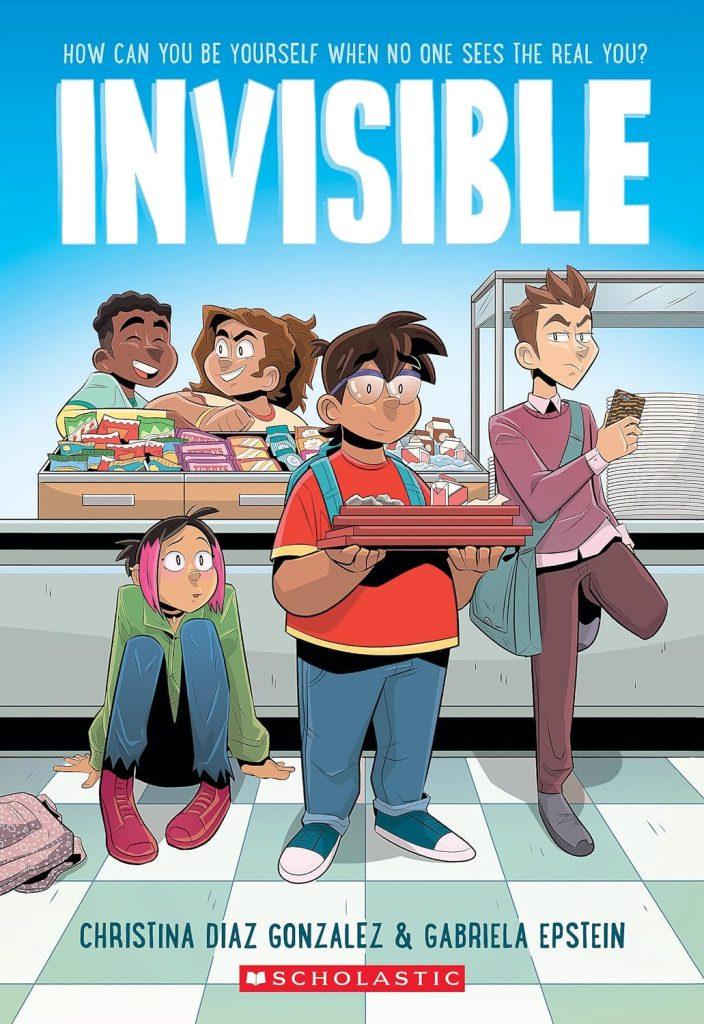
Tween Book Recommendations - Invisible

Book: Invisible: A Graphic Novel
Author: Christina Diaz Gonzalez

My “Mom” Summary: This story was definitely inspired by The Breakfast Club – 5 different students are forced to do community service together. This group of middle schoolers think they’ll have nothing in common besides the fact that everyone else sees them as all the same – just 5 Latino kids that speak Spanish. The group encounters someone who needs their help, and they’re forced to make a tough decision – share their own personal secrets and help… or, remain invisible and hopefully survive middle school. This story is engaging, and is all about friendships and being seen for who you REALLY are.

My 12 year old’s review: “I really liked how the main characters were from different places – like I remember one was Puerto Rican, one was Dominican, and one was Mexican. A lot of times everyone thinks that all Latinos are the same – but this book shows that isn’t true. I also like how in the book some kids spoke more Spanish than others – because I only speak a little Spanish but I understand more – and I’m still Mexican”. 

Tween Book Recommendations - Frizzy

Book: Frizzy
Author: Claribel A. Ortega

My “Mom” Summary: Marlene’s mom, Paola, wants her daughter to focus on school and growing up. She also seems very concerned with Marlene going to the salon on a regular basis to look “presentable” and have “good hair”. Marlene, who loves books, doesn’t understand why her curls can’t also be considered to be “good hair”. This book tells the story of Marlene learning to appreciate and be proud of her curly hair – with the help of her cool Tía and her best friend.

My 12 year old’s review: “This book was about a girl who really struggles with liking and accepting her really curly hair. Her mom is a little judgemental and wants her to straighten her hair all the time. I loved at the end that her friend and her Aunt helped her learn to accept and appreciate her natural hair. I don’t have very curly hair, but I still really enjoyed reading this book. I liked how it focused a lot on acceptance and loving yourself as you are”.

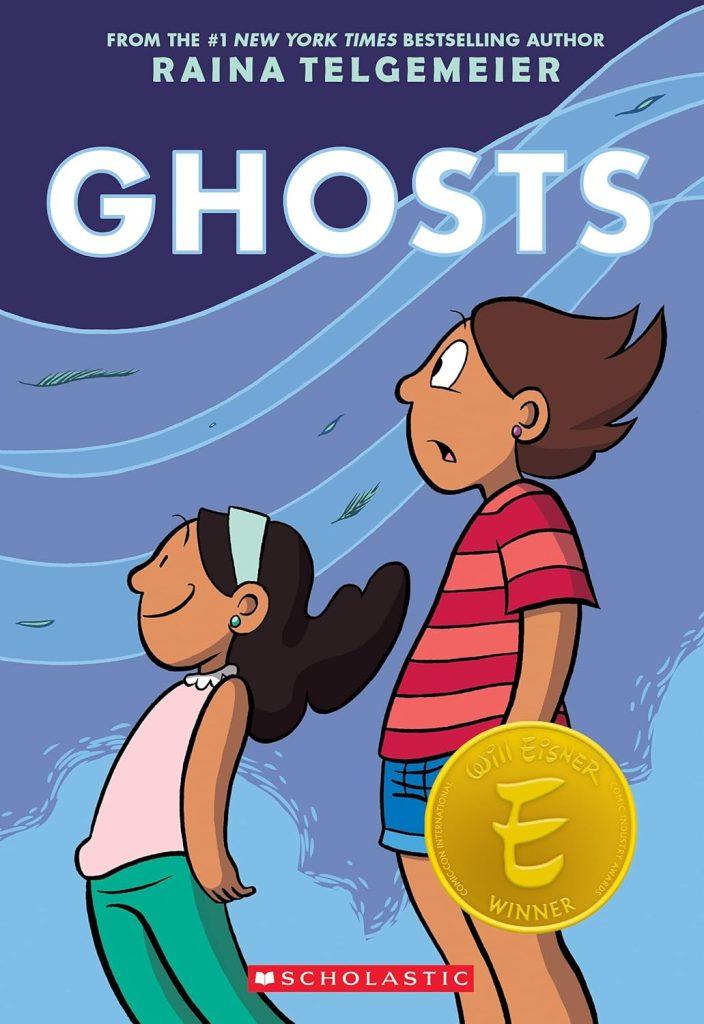
Tween Book Recommendations - Ghosts

Book: Ghosts
Author: Raina Telgemeier

My “Mom” Summary: Catrina and her family are moving to the coast of Northern California – the cool, salty, sea air will help Catrina’s younger sister, Maya, who has cystic fibrosis. Once they move to their new home, a neighbor tells the sisters that there are ghosts the live in their new town. Catrina doesn’t want anything to do with the ghosts, but Maya really wants to meet one. Amazon shares that “as the time of year when ghosts reunite with their loved ones approaches, Cat must figure out how to put aside her fears for her sister’s sake — and her own.”

My 12 year old’s review: “I definitely related to Catrina in this book because I recently moved to a new city and had to leave all of my friends behind. I liked this book because it reminded me a lot of Día de los Muertos. I also learned about the breathing disease the little sister had”.

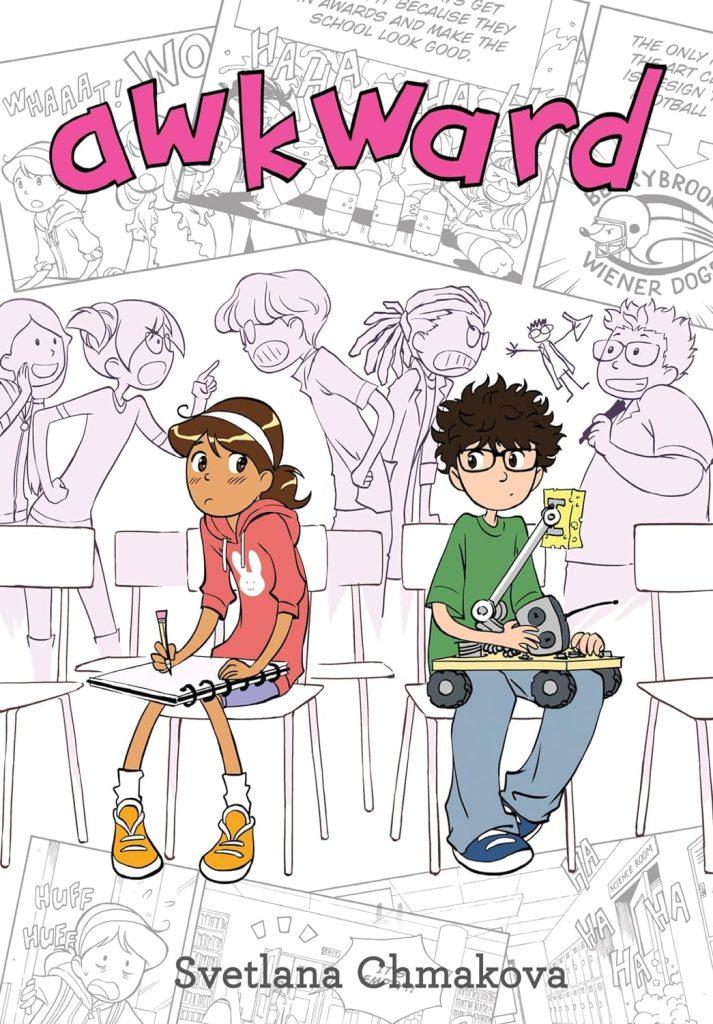
Tween Book Recommendations - Awkward

Book: Awkward (Berrybrook Middle School, 1)
Author: Svetlana Chmakova

My “Mom” Summary: Penelope–Peppi–Torres is starting at a new school and has a few rules she plans on following to help her survive. But unfortunately, Peppi ends up breaking her 2 main rules on the very first day of school. She has an incident in the hallway involving a boy that results in the mean kids calling her the “nerder girlfriend”. She ends up escaping to the art club and finding new friends there. She still feels badly about how she treated the boy in the hallway, but then things get really awkward when he’s a member of the art club’s rivals – the science club. The 2 clubs end up going to war and Peppi learns that breaking the rules is sometimes necessary in middle school.

My 12 year old’s review: “I felt like I could relate to this book because I’m in Middle School now too – like I had to deal with some friendship issues and mean girls last year in 6t grade. I also really liked the artwork in this graphic novel”.

Are there any graphic novels your middle schooler loves? My daughter and I are always looking for recommendations, especially ones that have a Latino connection!

Latina Mom Collective sometimes links to affiliate links when we share purchases we love and recommend. This means if you click on a product we suggest, like these tween reading recommendations, and you purchase from that link, we may make a small commission at no additional cost to you. Every product we share is something we genuinely love, recommend, and have in our own homes!

National Watermelon Day Means Time for Agua de Sandía!

0

Today (August 3rd) is National Watermelon Day!

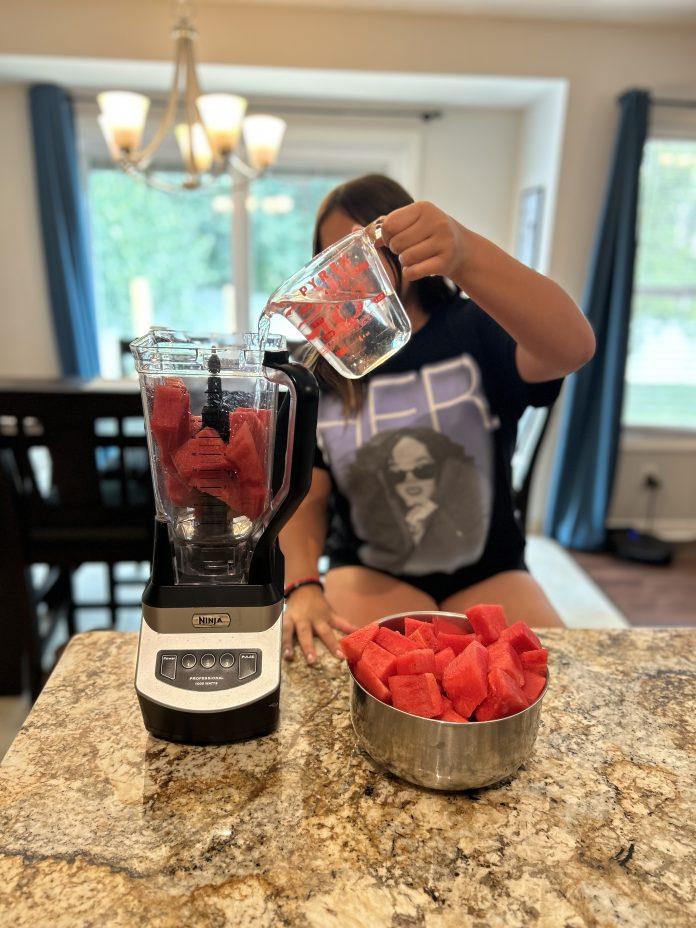
Did you know that there was a whole day dedicated to la sandía? To put a Latinx twist on this American holiday, my tween and I decided to make Watermelon Agua Fresca. If you’re unfamiliar with aguas frescas, they are like juices but lighter. This refreshing drink is made with fresh fruit, blended with water, and lightly sweetened with sugar. 

Agua de Sandía, as it’s called in Spanish, is super easy to make – you only need a few ingredients, a few tools, and a few minutes.

Ingredients

  • Watermelon
  • Water 
  • Sugar (or your preferred sweetener)

Optional Ingredients

  • Lime (some people add lime juice to their Watermelon Agua Fresca, others just use it for garnish)
  • Mint (for garnish)

Kitchen Tools/Appliances

  • Knife
  • Cutting Board
  • Blender
  • Fine, mesh strainer (optional, depending on if you like pulp or not)
  • Large drink pitcher

Instructions

  1. Cube watermelon, discarding rind
  2. Blend cubed watermelon, water, and sugar until your desired texture (you might need to do this in 2-3 batches depending on amount of watermelon)
  3. Take a sip and taste, add more sugar if needed
  4. If you like pulp, pour contents of blender into drink pitcher and then refrigerate until very cold
  5. If you prefer your agua fresca without pulp, use the fine mesh strainer over the drink pitcher as you pour in the blender’s contents; then refrigerate until very cold
  6. If you want to add lime juice into your agua fresca to enhance the flavor, you should do that after putting the blended drink into the pitcher but before putting everything in the fridge to chill

10 Fun Watermelon Facts

  • A watermelon is 92% water
  • Origins of watermelon have been traced back to the deserts of southern Africa
  • Early explorers used watermelons as canteens
  • Watermelons are a member of the gourd family – they’re related to squash, cucumbers and pumpkins
  • Watermelon has a connection to Ancient Egypt – traces of watermelon and its seeds were discovered in the tomb of King Tut
  • Over 300 varieties of watermelon are available in the U.S
  • Watermelons are often grown in the shape of cubes in Japan
  • Watermelons are considered both a fruit and a vegetable
  • Around 85% of watermelons sold today are seedless (the process does NOT involve genetic modification)
  • Watermelon rinds are usually discarded, but they are actually edible

Tips for choosing a watermelon (from watermelon.org): 

MOST POPULAR

mom holding baby while working at a desk on a computer

Working Mom Guilt: What I’ve Learned About Balancing Career and Motherhood

0
Jessica shares her experience with working mom guilt, balancing a corporate career, and raising children. There is so much guilt that comes with wanting—or needing—to...

Another birthday, and a new phase of motherhood

0
Nancyn reflects on her daughter's transition from toddler to "big girl," sharing the moments of growing up, parenting, and letting go. ¿Mamá, ya soy una...
an image of the free summe memory banner

Free Summer Memory Banner Printable for Moms: A Simple Way to Display Summer Memories

0
There are thousands of photos on my phone right now. Note to self: Back photos up to Google Photos because my phone is full. Pool...
watermelon sliced on counter | 4 easy summer recipes

4 Easy Summer Recipes for Slow, Sunny Days

0
There’s something about summer that pulls us back into the kitchen in a softer way. Less rushed dinners. More fresh fruit. More recipes that...