Embracing the Unexpected: How Motherhood Redefined Me

1
embracing motherhood

I never wanted to be a mother. I gave marriage little thought. As a child, I didn’t envision a knight in shining armor, whisking me away to comfort and infinite love. Never imagined a perfect cherub baby, living my days doting on children and a husband. I was always a quirky child. I dreamed of being a starving artist and loved the style and vibe of the 70s. The idea of ever embracing motherhood was truly nonexistent.

As I got older, I wanted to make something of myself, go to college, achieve a career I enjoyed. Any time I would reference putting my career first, I’d be met with, “But what about having kids?” That thought never crossed my mind. I would see kids in public going nuts. I heard them talk to their parents. I endured the shrill screams at restaurants. Plus they always seemed to be so dirty.

These labels of “mother” and “wife” were negative connotations to me. Moms were boring. All they do is care for their kids and never have any fun. Wives cook and clean and complain about how much their husbands suck. I observed marriages in my own family and saw the cheating, the resentment, and the animosity. It seemed like broken families were the norm. I didn’t want that for myself, so why even try?

An Unexpected Reality

But as life would have it, I ended up becoming pregnant.

Over the years I struggled. I was still resistant to putting the “mom” label on. I had never put someone else’s needs before mine. I knew I had to focus on my son, but I also didn’t want to lose myself on an altar of self-sacrifice. I still had ambition and drive to make a successful future for myself on my own terms. There were still things I wanted to do, trips I wanted to take, education I wanted to achieve. I didn’t think any of this would be possible. Luckily, I have an amazing support system who helped out when I needed it.

Motherhood hadn’t changed me completely. I still needed to stay true to myself and my dreams. Otherwise, I would’ve been miserable, holding on to the “what ifs” and “should’ve beens.” I’m a better mother because I put myself first by not losing myself to being this idea of the perfect mother.

I put myself first when I entered that mental health hospital years ago. I needed to stabilize myself and get control of my mind.

I put myself first when I went to graduate school. I knew I needed a leg up as a single mother. It would expand my career opportunities, all of which I deserve.

I put myself first when I use dating apps. Even though I’m a mother, I still deserve love. I want someone who would take me as I am, child and all.

All these decisions I’ve made in my life have made me a better parent. I don’t feel like my son has derailed my life, he has enhanced it. I still have time to read and still have weekends where I get to go out and shop. I still have the space to decompress and veg out when I need it. At the same time, I indulge my son in his interests. I work to give him the best education I can and create chances for us to learn about our culture.

The fear of being a mother whose only priority was their children had been overcome. In my journey through motherhood, I began to break down those stereotypes I had of mothers. They weren’t boring, they do have fun, and we do have lives of our own outside of our kids. I’m thankful to be in community with moms, whether it’s in book clubs, my own social circle, or through blogging. I’m lucky to be in a relationship with someone who loves my son and is embracing their own parenthood journey.

Now I’m proud to wear the label “mom” as I am embracing motherhood.

How a Blood Transfusion Saved Me: A Mother’s Gratitude on World Blood Donor Day

0
World Blood Donor Day

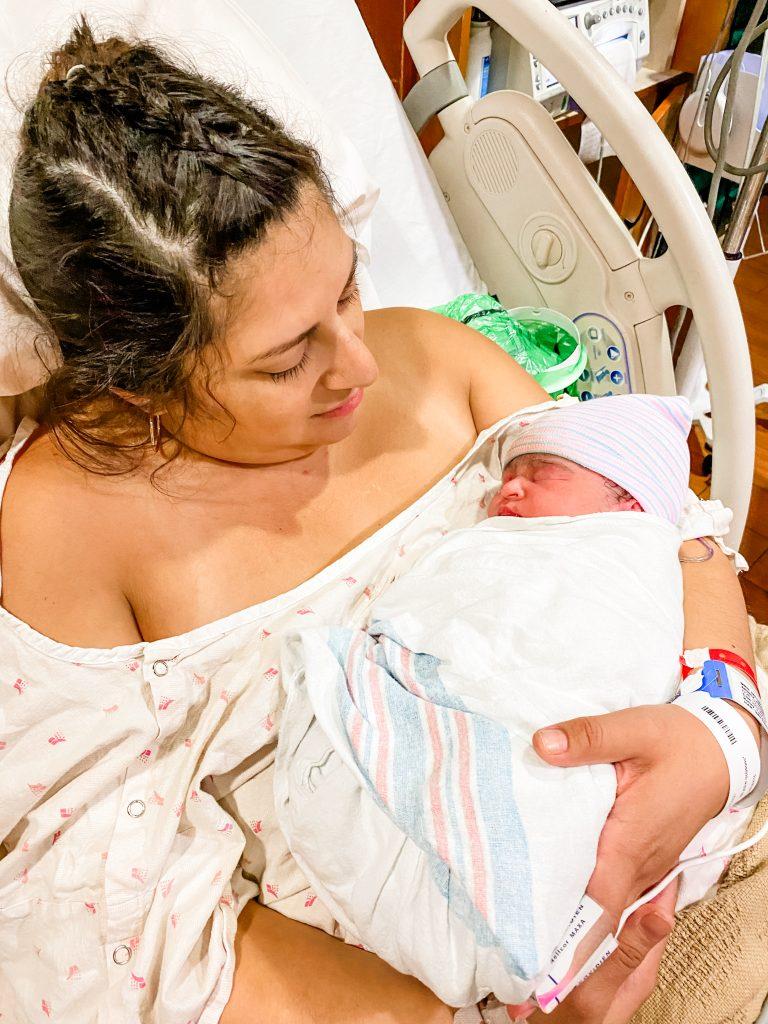
As I sit to write down these words in honor of World Blood Donor Day, I can’t help but shed tears as I think of September 11, 2023. It’s the day I gave birth to our third child and it’s also the day that I received a blood transfusion after losing nearly 40% of my blood after giving birth to her. I’ve given birth three times — once medicated, once unmedicated, and tears each time — and this was the most excruciating recovery of my life.

One hour after receiving my blood transfusion, I finally felt comfortable enough to hold my daughter for the first time.

For nearly a month, I was unable to stand without support. The physical measures that were taken to help my uterus contract after delivery left me sore and tender. I was weak and out of breath after climbing just one flight of stairs. The fatigue and trauma of what had occurred weighed on me physically and mentally. The fact that someone else’s blood was now running through my veins felt surreal, but through every painful moment I found myself with a deep sense of gratitude.

Gratitude for the stranger who sat in a chair and had a needle pierce their vein in order to save the life of a complete stranger.

Gratitude for the one who saved my life so that I could return home to my three precious daughters.

Without that blood donation, I would not be here. My life would have been lost and my final moments with my newborn would have consisted of hearing the midwife tell the nurses, “Leave her on the warmer. She’ll be fine. I need you over here.”

Without that blood donation, I would be just a memory for my daughters.

Honoring Blood Donors

June 14 is World Blood Donor Day, an internationally recognized day dedicated to celebrating blood donors for their lifesaving contributions. It’s also a day meant to raise awareness of the need for a safe and stable blood supply.

Did you know that only about 3% of age-eligible people donate blood every year? Let that sink in, only 3 out of every 100 eligible donors decide to save a life. Imagine what could happen if we had even more donors from all races and ethnicities donating.

Why You Should Become a Blood Donor (If You’re Eligible)

With such a small percentage of regular donors, it’s important that we understand the importance of donating blood and that includes some stunning facts.

Blood donations expire. Most blood products can’t be stored for long periods of time, which means that they constantly need to be refreshed.

Diversity does make a difference. Some blood types are extremely rare and can likely only be found in others who share ancestral orgins.

One donation can save multiple lives. A single unit of blood can be separated into red blood cells, platelets, and plasma, one donation can save more than one person.

Donations from Latinos are vital. Donations from our community are especially important in the treatment of trauma patients and others needing emergency blood transfusions because more than half of all Latinos in the U.S. have type O blood – which is most often in critical supply as it is most often needed by hospitals

How to Become a Blood Donor

Schedule your blood donation by using the Blood Donor App, by visiting RedCrossBlood.org or calling 1-800-RED CROSS (1-800-733-2767).

One Final Thought

As I sit here typing this, I see the “Tinkerbells” (the name my daughters have given the glittery reflections from random objects when the sun hits them) coming through my window as my daughters create magic with their Play-Doh. I hear my 9-month-old babbling about a teether as she pulls open her big sisters’ play kitchen. I feel an overwhelming peace of living this absolutely normal life with my family.

All of this is thanks to one person who decided to give up just a few minutes of their day to give to someone they’ll never meet. They’ll never know my name and I’ll never know theirs. They’ll never meet the daughters that have a mama because of their generous donation. They’ll never shake the hand of the husband who stood by watching his wife verbally confirm that a blood transfusion was okay. They’ll never know me, but I will forever remember them.

If you are eligible to donate, will you please donate? You’ll never know how your donation is used, but I guarantee you that it will be life-changing.

Sana, Sana, Colita de Rana: Embracing Natural Remedies

0
Sana, Sana, Colita de Rana: Embracing Natural Remedies and Latina Remedies

As a Latina, I cherish the memories of my mother and abuelita nurturing me back to health with their natural remedies. Growing up in a Mexican household, I learned that sometimes the best medicine isn’t found in a pill bottle but in the wisdom passed down through generations.

Whenever I scraped a knee, battled a stomach ache, or nursed a broken heart, my family had a remedy at the ready. These remedies were more than just concoctions. They were a manifestation of our culture, heritage, and belief in the power of natural healing.

Sana Sana Colita de Rana

One of my fondest memories is the application of “sana sana colita de rana” (heal, heal little frog’s tail) whenever I get hurt. This simple phrase, accompanied by a gentle touch from my loved ones, seemed to work wonders. It often soothed both my physical pain and my spirit. This, I must say, is my children’s favorite remedy, along with a Barbie bandaid to seal the deal.

Te de Manzanilla

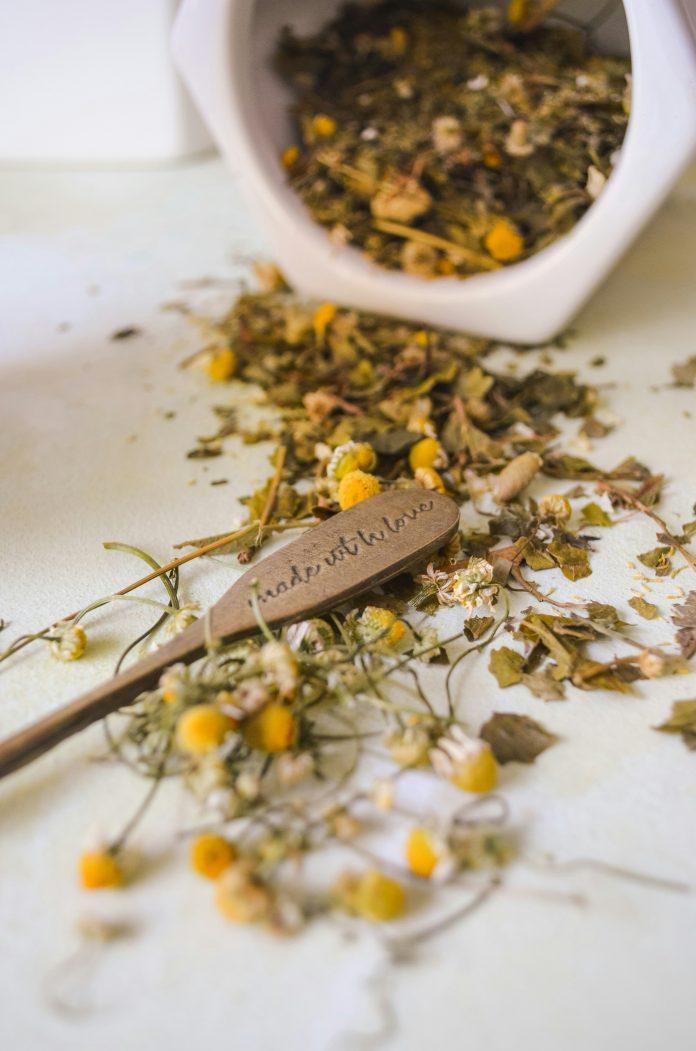
A warm cup of chamomile tea for an upset stomach or even anxiety can be the best natural remedy. You can drink the chamomile tea alone or with honey. Chamomile tea can also be a remedy to clean our eyes as a stye starts to appear. Room temperature chamomile tea can also remove dirt, makeup, and other germs from our eyes.

Honey and Lime

One of my favorite remedies is the potent blend of honey and lime for a sore throat. It provides instant relief and is a reminder of the sweetness and zest for life that defines our culture. For a natural antibiotic, you can add garlic for sore throats and other mild infections.

here’s to the magic of “sana sana colita de rana” and all the other home remedies that have sustained us through the ages.

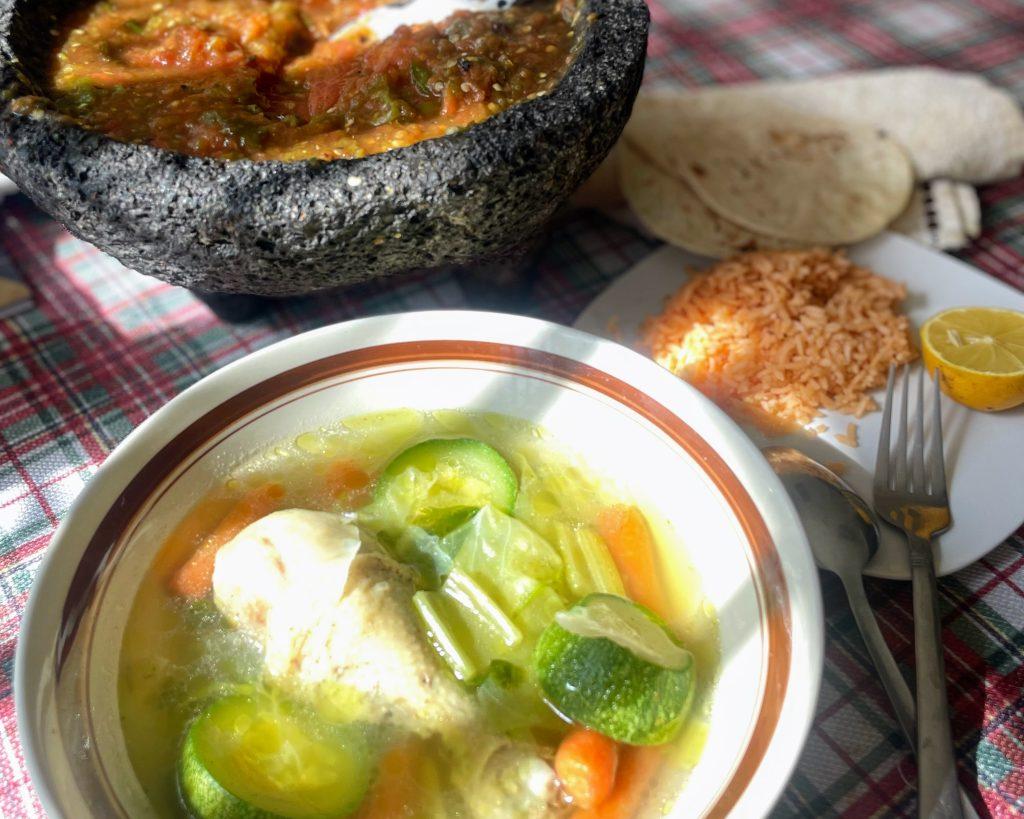
Bowl of Mexican soup | Natural Home Remedies

These remedies aren’t just about curing ailments; they’re about connection. Each remedy carries with it a story, a tradition, and a piece of my family’s history. When I apply aloe vera to a sunburn or eat some caldo de pollo for the flu, I am not just treating a symptom; I am honoring my ancestors and preserving our heritage. Smelling the home meals, and the feeling of love from my family begins the healing process towards anything that may be hurting us.

While we do have to embrace and follow a healthy path and get medical attention when need it, it is beautiful to have a long list of traditional natural home remedies our ancestors and our culture created for us. As a Latina, I am proud to carry on the tradition of natural healing that has sustained my family for generations.

The Power of Storytelling: Bridging Generations with StoryKasa

0

On a recent flight without my daughters, I found myself looking through videos and nudging my husband to watch along with me.

“She sounds like a big girl,” I told him about one of our daughters as she slowly outgrows her baby voice. I then went on a trip down memory lane as I watched older videos and listened to her first words. I somehow forgot how little she once sounded and I was glad that I had these videos to refresh my memory. Then, of course, I started thinking about other memories that I have more than likely forgotten.

Photos are only part of the memories that we can carry with us throughout our lives. In our fast-paced, digital world, the art of actual storytelling often gets lost amidst the constant stream of social media updates, instant messages and photo archives. Yet, the power of sharing stories remains a timeless way to connect, teach, and inspire. This is especially true when it comes to families and communities, where stories can serve as bridges between generations. StoryKasa, a dynamic platform designed to foster storytelling, is making it easier than ever for kids, teens, and older adults to share their narratives and listen to those of others. Here’s why encouraging storytelling through StoryKasa is essential for all ages and how we’ll be using it as a family to preserve our family’s stories.

For Kids: Building Identity and Imagination

Children are natural storytellers. Remember the last time that you just nodded and nodded as your child retold a story? Their minds are brimming with imagination, and every day is an adventure waiting to be shared. Through StoryKasa, kids can capture their daily experiences, dreams, and creative tales. Sharing their stories helps them develop a sense of identity and self-expression. It also enhances their communication skills, as they learn to organize their thoughts and convey their ideas clearly.

For Teens: Navigating Identity and Empathy

The teenage years are a pivotal time for self-discovery and personal growth. Teenagers often grapple with questions about their identity and place in the world. StoryKasa offers them a platform to share their unique perspectives and experiences, which can be incredibly empowering. Writing and sharing stories can help teens process their emotions, explore their values, and gain confidence in their voice.

StoryKasa fosters empathy by allowing teens to listen to stories from people of different ages and backgrounds. This exposure broadens their understanding of the world and enhances their ability to connect with others on a deeper level.

For Older Adults: Preserving Legacy and Wisdom

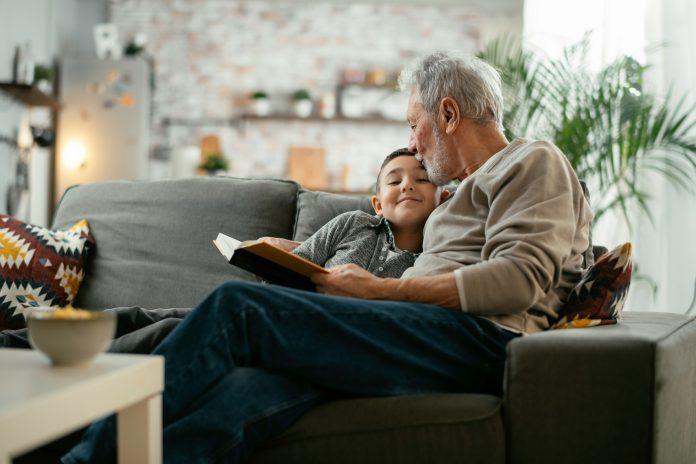
For older adults, like abuelos and tias and tios, storytelling is a way to preserve their legacy and share the wisdom they’ve accumulated over a lifetime. StoryKasa provides a space for them to recount their personal histories, cultural traditions, and life lessons. This not only gives them a sense of purpose and fulfillment but also ensures that their stories are not lost to time.

Sharing stories can also be a deeply therapeutic activity for older adults, helping them reflect on their lives and find meaning in their experiences. Additionally, engaging with younger generations through StoryKasa keeps them connected to their families and communities by promoting intergenerational bonding.

These stories that the older adults in our lives share can also provide our children with a way to stay connected to our history and culture. Even more, these stories can ignite their imagination, teach valuable life lessons, and instill a sense of belonging and continuity.

Creating a Collage of Voices

StoryKasa is more than just a platform; it’s a way to gather voices from different walks of life. By encouraging kids, teens, and older adults to share their stories, we create a rich, diverse narrative that reflects the true essence of our communities. These stories foster understanding, empathy, and respect among generations, helping to build stronger, more cohesive communities.

So, whether you’re a parent looking to preserve your child’s imaginative tales or looking to encourage your teen to share their journey, or have an abuelo eager to pass down your legacy, StoryKasa invites you to join its storytelling revolution. Together, we can celebrate the power of stories and the profound connections they create.

Right now, all Latina Mom Collective readers can receive a 3-month Premium subscription to StoryKasa. Use code: TEQWUOZY after creating a free account to upgrade to the Premium experience.

While this post is part of a series that has been sponsored by StoryKasa, all opinions, thoughts and research is shared in truth by the Latina Mom Collective Editorial Board.

Mom’s [Mental] Summer Prep List

0

The school year is ending. I’m going to be honest, that’s a lot of work for me as a working mom, but even just as a mom. Mija, let me tell you, I dread the next season of motherhood, summer vacation. The expectations are high and the patience is low, so I’m preparing myself as best as I can and I would like to share it with you. Put yourself first and spend time on the emotional preparation we often forget to plan for while we get everyone’s summer camps sorted, beach trips planned, and the constant fun kids expect. I invite you to pause the logistical burden, take a deep breath and start picturing that vacation and what it might bring. Here is a list I reflected on after our Spring Break getaway. 

Welcome Help 

Our first vacation as a family of five with a 7-month-old was as expected – tiring for mamá. One morning I cooked and fed everyone breakfast and prepped my plate to eat with baby on my lap. My husband calls on our oldest and asks to hold the baby so I can enjoy my meal. I thought to myself, Enjoy my meal? We’re on a timeframe here, I just want to put something down the pipe to not be hangry later and also support my milk production.”

As a mom with a little one, you know eating often times has been recategorized as simple sustenance, to get everything else done, if it turns out pleasant great. I almost pushed back on the thoughtful gesture but was able to keep my thoughts behind my mouth and simply said, “Gracias.” Help looks different for everyone, but try to see your love ones’ intentions in the small and big gestures. And if it doesn’t actually help remember to welcome it and suggest what might be even better. See below. 

Ask for Help

Sure, we can try to do it all, but it doesn’t mean we have to do it all. Even the most minimal task can free us up to genuinely enjoy the moment. Here is the toughest part for me though: my way is not the only way. My way, is not the only way. Phew, even typing it feels difficult. Asking for help means putting a task off your mind for someone else to get it done, however they choose to do so. Ask them to look around and seek for ways to help, it’s summer and everyone can try something new to see what works. I’m starting this early and sharing chores that kids can help with to both lessen the load and give them something to do. Doing it all doesn’t make us stronger and asking for help doesn’t make us any weaker, it helps us to focus our energy on what’s best for us in the moment.

Be Present 

I’m one of those blessed humans who can turn off their brain as soon as my head hits the pillow. I attribute it to my mind constantly running to-do lists throughout the day. I treasure my sleep and use it wisely. During the day, however, every extra thought can get in and not at the best times.

Lately it tends to happen the most when our 6-year-old is re-telling one of his riveting stories or greatest ideas, and I feel terrible about it. It’s easier to happen when I’m trying to make sure everything happens according to plan or when I’m in a new place. I know multitasking can be the only way to get things done, but this summer plan to participate fully in more activities to also enjoy it and, as cliché as it sounds, live in the moment. Let go of the worries and give yourself a break from being the go-to-everything. When you start to drift off, mentally and purposefully pull yourself back, mija. Vacations with little ones don’t last forever, and it won’t be long when all your pre-teen wants is alone time to do their own stuff. It isn’t just me, right? 

Remember that Something is Going to Go Wrong – That’s Okay

Keeping this one short because that is it. Expect that something could go wrong, but rest on the comfort that you did everything you could to make things happen and move on. Let’s control what we can and let go of what we can’t. Move on to the next thing because that might be the only solution, get what you can learn from it and put it into perspective, because I’m sure it won’t be that bad.

We live for the glimpse of happiness where everything is just right, and the kids actually voice their appreciation for the hard work we put in to do something funMake sure you’re keeping yourself in check by joining the fun and not just worrying about creating it. I know I need these reminders to be my best self y disfrutar el momento!

Teacher Appreciation Gifts That Teachers Actually Want

0

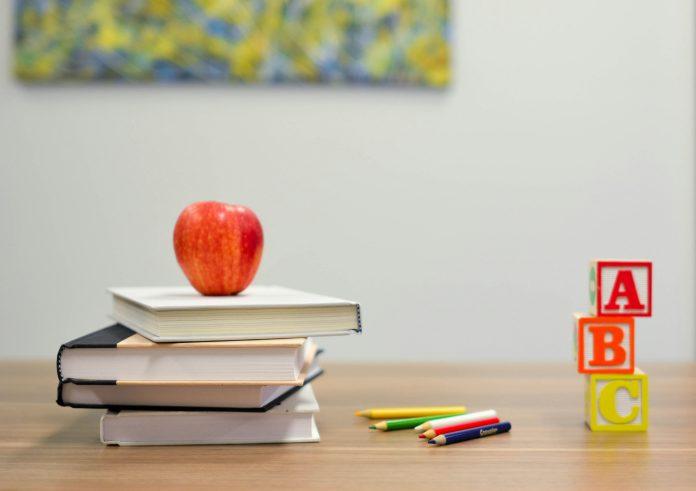
As we all know, educators are some of the most hard-working and under-appreciated professionals out there. They are in charge of teaching our children valuable information that will stick with them well beyond their school years. It is a thankless job that often goes without recognition and it takes a truly special person to dedicate their life to educating children.

Therefore we should try our best to give our children’s educators things they actually need or items that will help them throughout the school year, including as the school year comes to a close. Here is a list of gift ideas to show your favorite teacher appreciation as the school year wraps up. 

Classroom Supplies
Oftentimes when there’s a shortage of supplies within the classroom, teachers will dip into their own pockets to get whatever is needed. Whether it is for an individual student or the class as a whole, teachers spend both time and money to make sure their classroom is stocked with the supplies needed for daily activities. 

Cleaning Supplies
Keeping a classroom tidy is no easy task. Teachers often purchase their own cleaning supplies to keep their space clean, including putting away their classrooms for the summer. Items such as disinfectant wipes, disinfectant spray, windex, dry erase board cleaning wipes, dusters and hand sanitizer are just a few products that can help keep their classroom nice and tidy. 

Gift Cards
Teachers work hard daily to prepare children for their future. It’s a challenging and sometimes frustrating task, therefore teachers deserve a break since they do so much. Ask your teacher what their favorite restaurant is or where they get their coffee from. A gift card is a thoughtful gift idea that allows them to take a much needed break at their favorite spot. 

Teacher Amazon Wish List
Almost every teacher now has an Amazon wishlist. Through their lists, you can help them purchase items such as books or classroom activities that they have specifically chosen. This wish list makes it easy to give your beloved educator something they chose for themselves.

Volunteer
Whether it’s volunteering for a school activity or purchasing something for them, letting your beloved educator know that you care to help in any way can show them that they are thought of and appreciated.

Still at a loss? Ask them!
I consider this to be the best idea on this list. Simply ask the teacher what it is that they need. Let them know that you would love to help with or provide something that they are in need of right now. This can show the teacher that you see how hard they work and that you would love to ease the job for them, even if it’s only for a moment.

Educators are the backbone of our society and deserve recognition for everything they do for our children. Hopefully this teacher appreciation gift list gave you some great ideas on what to give your favorite educator. 

The Blessing of a Single Mother and Grandmother

2
single mom walking with daughter

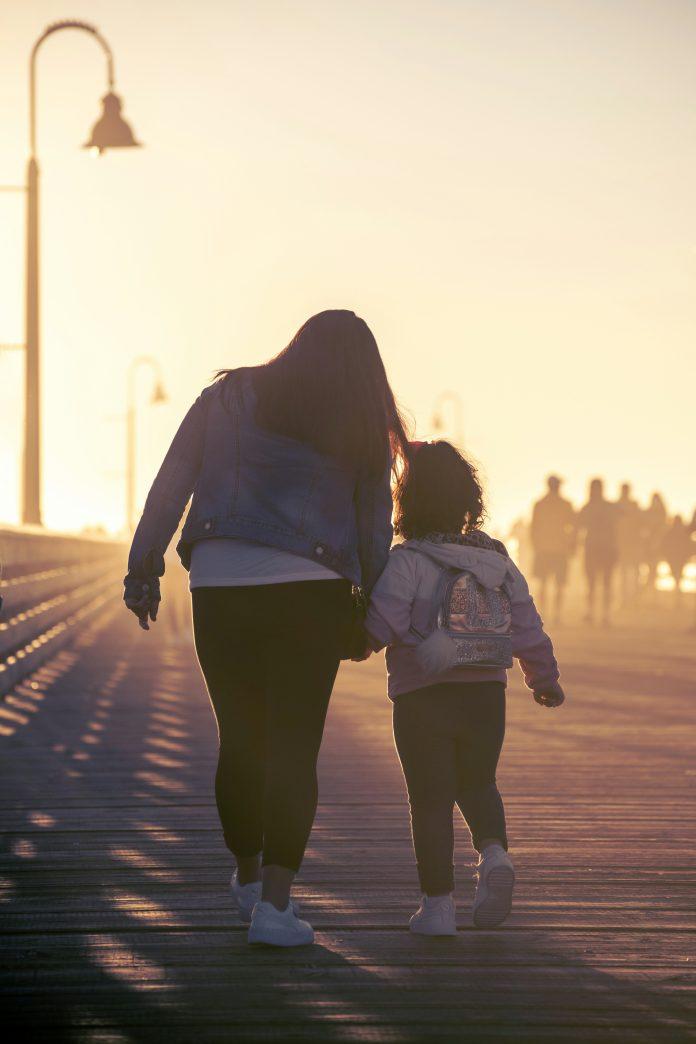
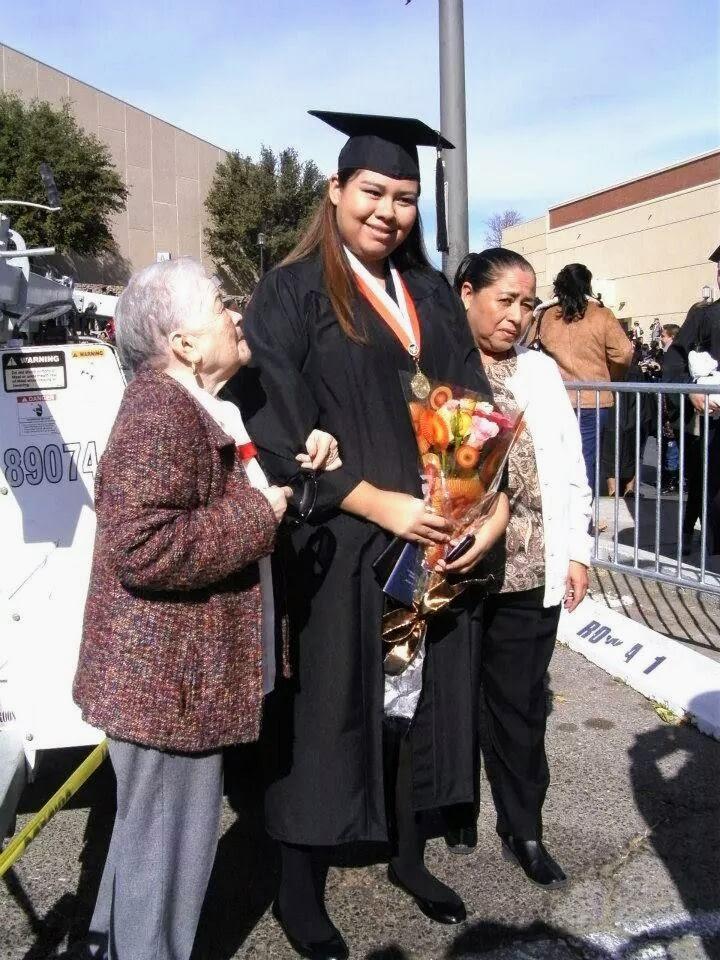
In a world where conventional family structures often take center stage, the beauty of being raised by a single mother and grandmother can be overlooked. As I reflect on my journey, I realize how fortunate and blessed I am to have been nurtured by two strong mujeres who paved the way for my future.

Growing up under the guidance of these remarkable women, I realized the privilege and blessing it was to be nurtured by their strength, resilience, and love. Por ustedes, me pude convertir en una mujer sin miedo a triunfar!

Alongside my mother stood my Tita (my grandmother), a force of nature in her own right.

My Tita was a tiny yet strong woman with a heart as vast as the desert skies. She fostered in us the values of perseverance, dignity, and family above all else. Her presence was a source of strength, her wisdom a guiding light illuminating our darkest hours.

I was blessed to see firsthand the resilience and determination of my mother throughout my life. Even with the many challenges, she stood as a beacon of strength, love, and sacrifice illuminating my path. Every hurdle she overcame, and every sacrifice she made, was a testament to her boundless dedication to ensuring my well-being and success.

We called ourselves Las 3 Mosqueteras [The Three Musketeers]. In the face of any challenges, we always knew that together anything could be solved. From them, I learned the true meaning of courage, grit, and unconditional love that knows no limits. Their sacrifices laid the foundation for the life I lead today, imbued with gratitude and a deep appreciation for the beauty of resilience.

As Las 3 Mosqueteras, I was able to look up to a beautiful example once I became a mother. I was able to embrace self-love, goals, confidence, and most importantly, resilience. With them by my side, I was able to look up to the beauty of motherhood and the beauty of being a woman.

Now, as a mother myself, I look back on their journey with profound admiration and gratitude for my single mother and grandmother. I see the countless sacrifices, the sleepless nights, and the determination that shaped my upbringing. The memories and values embedded in my life, are now being passed to my children.

Let us not forget the beauty found in the strength of single mothers and the unwavering support of grandmothers. Their love knows no bounds, and their legacy lives on in the hearts of those they have touched. Let’s embrace the bonds between mothers, grandmothers, and daughters.

Beyond the Stereotypes: Navigating Life with OCD

1

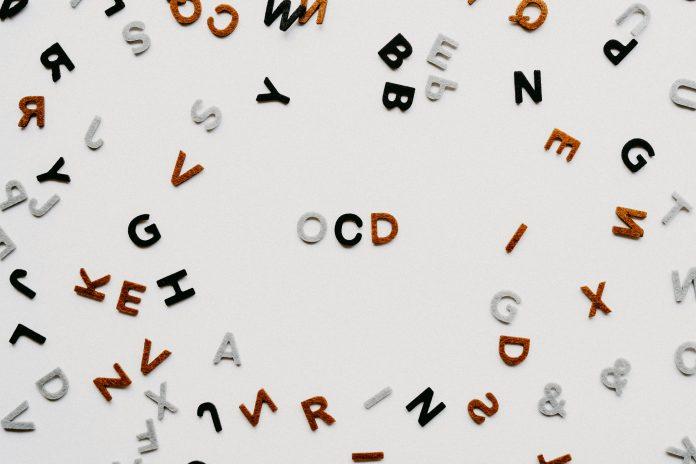
Let’s talk about mental health for a bit. No, I’m not talking about depression or anxiety, which is what the mental health conversation usually surrounds. I want to talk about Obsessive-Compulsive Disorder (OCD).

“OMG, I’m so OCD! It drives me crazy if my house isn’t clean or when my desk isn’t organized!” No, we’re not going to feed into those stereotypes, because that is not OCD. If those thoughts lead to thinking that you’ll contract a deadly illness or that the mess will lead to a hoarding disorder then that is OCD.

The Start of My OCD

I’ve had OCD for the past seven years. What started out as perinatal OCD turned into full-blown OCD after having my son. I didn’t know what was happening to me. Heck, I’m still trying to figure out what OCD is, how people develop it, who is most vulnerable, the subtypes, and how the brain plays a part in it.

My first touches OCD included thoughts of my son being harmed. Violent, sinister, horrible thoughts. It brought on intense anxiety.

Why were these thoughts popping up?

Was I wanting this to happen?

Should I have ever been a mom in the first place?

What if I act on these thoughts?

These thoughts, along with untreated major depression and anxiety, led me to being hospitalized for eight days. That was then followed by a month of intensive outpatient therapy and medications. I avoided my son and isolated myself from my family. How could I be such a monster? What kind of person thinks those thoughts? I hated myself in those moments.

Eventually I got better, but bonding with my son was hard. I kept trying to re-establish my relationship with him for years. In some ways, I still find myself trying to because of the feelings of guilt for missing out at the beginning. Then in 2020, I had another episode. This one more intense than the first and involving more subtypes of OCD along with it.

From Thoughts to Compulsions

This was the height of COVID-19 and the summer of protests against police brutality. The thoughts came back, paralyzing me, stressing me, debilitating me.

What if I, or someone in my family, contracted COVID and died?

Do I need to start on a will?

What if a civil war breaks out?

Am I safe?

Then thoughts about death and existentialism came up. I’m terrified of death.

What happens after?

Am I a good enough person to get into heaven?

What is the point of all this if we’re all going to die?

I tried reconnecting with God. Reading bible verses gave me comfort. Then other thoughts came to mind.

What if God doesn’t love me?

What if I’m not living my life correctly according to God?

I just couldn’t catch a break. My OCD latched onto everything I cared about and tried to twist them into something dark and scary. After attending a protest myself, I was in the ER with heat exhaustion and the sheer panic of feeling this impending doom and like the world was crumbling around me sent me into a spiral of panic. For days on end, my heart was beating hard and fast in my chest. The thoughts did not stop, and what was worse is the thoughts of my son being harmed came back more violent, gruesome, distressing. I took a leave of absence at work and spent another month at the behavioral health facility.

I felt panicked driving. What if I get into a car crash?

I felt panicked watching TV. What if the content of this show triggers an intrusive thought?

I felt panicked listening to music. What if I hear something said that causes me to start spiraling?

I literally shut myself in my room and avoided my son and family. I couldn’t eat and needed pills to sleep. Even the feeling of the pills starting to kick in sent me into a panic of questioning, “Why was I feeling so weird. This isn’t normal!”

That is when I started doing compulsions. I did everything to try to stop the thoughts. If it was a violent thought, I’d try to replace some of the element of the thought to make it less violent. If I had a thought about COVID, I’d seek reassurance from myself and others that we wouldn’t get sick and die. If I had thoughts about God hating me, I’d pray and try to purify myself to be more lovable. I distinctly remember that first night of my episode, unable to calm down, my mom crawled into my bed with me, holding me, whispering to me that things would be okay. Given my heightened state of panic, my body started to twitch, like I was shivering, shivering with fear. Even my mother’s own embrace couldn’t comfort me and get me out of my head. A few days after I started on new medication, I sat down to (not) eat with my family. My mom looked at me and said, “I don’t know if I like these meds you’re on. You seem completely catatonic.” Through the brain fog and unfocused gaze, all I could say was, “It’ll pass. I’d rather be numb like this than experiencing what I have been.” Things got better for awhile. I finally got into a nice groove, so nice that I thought, “Eh, I don’t need these medications anymore. I’ve been okay for awhile.” Although the anxiety of another episode always loomed in the back of my mind, I figured I was fine enough to not need any support.

Living with OCD

In 2023, I got a fantastic job offer: better pay, better benefits, and doing something I thought I would love. But the reality of the change set it and of course, I began to doubt.

What if I’m not good enough?

What if I’m not the right candidate?

What if they realize I’m not good at this and then they fire me?

I backed out of the position. I was so frustrated with myself. Did I self-sabatoge this amazing opportunity? No, I didn’t. As I learned, OCD can flare up even when good change occurs. This time I was mad at myself and my brain. With no job, no health insurance, and running low on money, I had to seek help once again. Same ole story: new medications, new therapist, new routines. This time I was prepared. I had an action plan even in the midst of my unwanted thoughts and panic. I knew what worked for me in the past and I was determined to get better quickly.

Yet, once again my OCD evolved. I started to repeat words in my head and had songs stuck on repeat, a type of OCD called “ear worms.” My dreams started to involve my biggest fear of my son being hurt and a barrage of themes around my relationship with my partner being destroyed. Around Halloween I was convinced some of my son’s candy was poisoned after ingesting it. I fell into the same old habits of doing mental compulsions and avoidance, it was second nature to me. I couldn’t eat or sleep, my thoughts would follow me into the night and I would wake up in a panic. It wasn’t until I started therapy and did more research on OCD that I started to resist my compulsions. I thought my compulsions were trying to keep me safe – to assure me I wasn’t a bad person who wanted these thoughts to happen. I didn’t know compulsions fuel the cycle of OCD. I had to stop engaging in these activities if I wanted to get better.

During this time I reflected on what OCD had done to me. I felt split in two. On one hand, I’m a mom, a worker, a lover of animals and reading, someone with ambition and tenacity. On the other, I’m a fearful, scared, out-of-control, irrational hermit who lives in their own head. If I could describe a real-life scenario of what it’s like to have OCD, it’s as if you’re trapped in a lion enclosure. Yeah those animals aren’t wild and have likely lived in the zoo their whole lives, but that doesn’t mean they won’t attack you. You’ve got your back to the wall, wondering if they’ll kill you. It’s paralyzing. It’s imminent. It’s consuming.

I had a hard time reconciling who I am when I’m in the throes of an episode and when I’m not in one. It’s still so hard for me to come to terms with that side of myself. It’s like someone takes control of my brain and wants to cause me the most distress possible. But one thing I always try to remind myself is that these thoughts are not reality. A question I ask myself is this: Could this actually happen? Yes, it’s possible. Is it likely to happen? Probably not. Dealing with uncertainty and doubt is the foundation of OCD and we have to learn to live with those feelings.

Breaking the Stigma Around OCD

I’m a person who has an illness, one that could last a lifetime, and I have to accept that. I know my thoughts aren’t real. They’re imaginations from my brain as a result of life stressors, brain chemicals, and possibly genetics. The more I learn about OCD, the better understanding I have of it and the better equipped I am to accepting myself and educating those around me. I’ve participated in research studies to understand the link between genetics and OCD. I also engaged in a study of the prevalence of OCD in Latine populations. I’ve made it a point to openly talk about my illness with my family, friends, and partner. My goal is to shed the stigma surrounding it and to make people realize OCD is not a cute buzzword to carelessly throw around. For some people, it can cause attempts to take their own life or cause them to not leave their house. I hope that we can start to have conversations about the less common mental health issues like OCD, schizophrenia, bipolar, and borderline personality disorder without inducing stereotypes.

I’ve gone through this whole experience feeling misunderstood, feeling like no one could ever understand, but I’ve found an incredible support system who try. I am loved, supported, and heard. I want to thank everyone who has listened, even though they can’t sympathize or understand, who has helped me care for my son when all I wanted to do was hide in my room. I still worry for the next episode, if there ever will be one again, but I’m steadfast in knowing I can get through it if it does happen.

You Are Already Latina Enough, Mija

0

When I was way too young, I fell in love with someone in Mexico, got married, and then he immigrated to the United States for me. A few years later, I got pregnant. I was so excited that my daughter would have, via her father, an actual culture to celebrate. I’ve always had this idealized perception of culture – of it being a living, breathing, almost tangible thing. And to be honest, as a white woman in the United States, I’ve never felt like I had a culture that I could embrace and celebrate. 

But when my daughter was 5? That person who was supposed to share his culture with her? He left. The amount of time that he was in her life wasn’t enough, and it definitely wasn’t enough to help her develop herself as a Latina, to develop her identity as a Mexican-American.

Since 2017, my daughter has been raised by a full-time single white mom in an environment where there is unfortunately very little exposure to or representation of Mexican culture. Honestly, raising her in the area of the Midwest where we live, there is minimal exposure to any Latino culture in our community. I’m afraid that the encouraged integration, almost inevitable assimilation to “white culture” will suffocate her Mexican ancestry.


I want to help her find ways to learn about her culture, immerse herself in it, and celebrate it. I want her to grow up to be a proud Mexican-American. Since her dad is out of the picture, it’s my responsibility to help her develop her Mexican-American identity. I need to make sure that she never forgets that she is a part of that community, that she has a right to be a part of it. I have to keep that “half” of her alive, I have to make sure that she is “Latina enough”.

I need her to know that Día de los Muertos is so much more than what she sees in Coco. Dunkin and Starbucks are great, sure, but there’s something special about pan dulce and café de olla. She needs to know that there’s an entire world of Mexican music out there, and that it doesn’t begin and end with Peso Pluma. And I want to make sure she understands that fútbol is so much more than fútbol, and that Frida wasn’t just an artist – she represents so much more. I need her to know that Rockaletas pican, and that there’s something about seeing that silly face on a Paleta Payaso that always makes you smile, and that Gansitos are WAY better than Twinkies. She needs to know that tacos are so much more than just “Taco Tuesday”… I mean, tacos al pastor con cebolla, cilantro, y piña? Para chuparse los dedos. How can I forget to mention sopes, and tortas, and elote. And, she needs to watch at least one entire season of a telenovela. Most importantly, I need her to know that any amount of Spanish she knows is great, but that not fluently speaking Spanish doesn’t make her any less Latina.

I know some of the cultural “life lessons” I mentioned above are very surface level; they barely even begin to convey what it means to be Mexican or Mexican-American. However, my hope is that whatever I can share with her and expose her to, will then encourage her to begin her own journey. A journey in which she discovers what it means to be Latina, what it means to be Mexican-American. And that being Latina isn’t easily defined and doesn’t mean you have to be one certain way; it means so many diverse things to so many different people.

And Sophia – if you ever happen to read this – mija, you are already Latina enough. You were born Latina enough, and always will be Latina enough.

The Power of Family Stories: Strengthening Bonds and Building Literacy

1

“Is that an old song, mama?” My little one asked me one day as I sang her to sleep. “Yes, Tata [my father] taught it to me when I was little.” 

“Will you tell me about it tomorrow?” She yawned as she closed her eyes. As she drifted to sleep, I thought of the first times I heard that song. I could feel myself sitting in a small church down a dirt road as my dad played his black guitar while singing the song that is now ingrained in my mind. For my daughter, that memory would just be a story but for me it was history.

Stories like that are all around us aren’t they? In the midst of our busy schedules and everyday life, we sometimes forget to retell those stories or feel we need to wait for the “right” moment to share them with our children. But those stories that come from our families over the years hold more than just old memories; they are what weave together the members of our family shaping our identities and strengthening our bonds.

Importance of Family Storytelling

Research has proven that when we share our family stories there are long-lasting impacts for our children. A study highlighted by the University of Nevada, Reno, emphasizes that family stories provide not just a glimpse into the past but also a sense of continuity and belonging for children. When parents share these tales, children perceive their family as stronger, experience higher self-esteem, and exhibit resilience in the face of stress. Family storytelling isn’t merely entertainment; it’s a cornerstone of emotional intelligence and resilience.

Studies also show that when parents use more details and emotions when talking about past everyday events, called elaborative reminiscing, with their preschool-aged children, the children told more detailed narratives one to two years later. These children also demonstrated a better understanding of other people’s thoughts and emotions.

The benefits of storytelling extend beyond emotional well-being. Language and literacy skills flourish when family stories are used. As children listen to stories of older generations, they begin grasping the cadence of language, process story structures, and expand their vocabulary. The simple act of recounting tales from childhood fosters communication skills and ignites a love for reading. Through storytelling, parents become the architects of their children’s linguistic development, guiding them through the world of words and imagination.

Tips for Storytelling Within Our Homes

The magic of face-to-face storytelling will never pass away, but at times we may need some ideas on how to incorporate it into our day-to-day lives. Here are a few tips to encourage storytelling:

  • Be intentional with the human connection and how you tell stories. Use time around the dinner table to share a story or switch out your bedtime book for a snuggle and storytelling session.
  • Encourage children to share their own stories. By sparking their creativity they themselves will be strengthening family bonds.
  • Use photographs or heirlooms. Every artifact holds a story waiting to be told—a story that binds us to our past and shapes our future.

Traditional Storytelling in a Digital World 

But how can families harness the power of storytelling in a digital age? Enter StoryKasa, a bridge between tradition and technology. With the marvels of digital recording, families can immortalize their stories, preserving them for future generations. Whether it’s abuela’s tales of adventure or Dad’s childhood mischief, these recordings serve as heirlooms of the heart, passed down like treasured artifacts. Through StoryKasa, families can transcend time and space, sharing their narratives across distances and generations.

Right now, all Latina Mom Collective readers can receive a 3-month Premium subscription to StoryKasa.. Use code: TEQWUOZY after creating a free account to upgrade to the Premium experience.

Let us embrace the legacy of family storytelling, for within these stories lie the keys to our past, the wisdom of our ancestors, and the promise of our tomorrows. Let us listen, let us share, and let us weave the threads of our family tales into a tapestry of love, resilience, and belonging.

While this post is part of a series that has been sponsored by StoryKasa, all opinions, thoughts and research is shared in truth by the Latina Mom Collective Editorial Board.

MOST POPULAR

an image of the free summe memory banner

Free Summer Memory Banner Printable for Moms: A Simple Way to Display Summer Memories

0
There are thousands of photos on my phone right now. Note to self: Back photos up to Google Photos because my phone is full. Pool...
watermelon sliced on counter | 4 easy summer recipes

4 Easy Summer Recipes for Slow, Sunny Days

0
There’s something about summer that pulls us back into the kitchen in a softer way. Less rushed dinners. More fresh fruit. More recipes that...
Mom and Son Walking Along Brick Wall | Between Protecting Them and Letting Them Fall | Motherhood

Mamá Can’t Catch Every Fall

0
Jessica shares about motherhood, sacrifice, and learning when to protect our children—and when to let them stumble and grow on their own. Over ten years...
mom grandma baby | latina motherhood

Peeling Back, Growing Forward: Notes on Latina Motherhood

0
If I could write a letter to my younger self about motherhood, I don’t think I’d ever finish it. Not because I wouldn’t know...
mom zipping up child's backpack | Becoming My Child’s Advocate

Becoming My Child’s Advocate

0
Special Education. IEP.Delay. Delay. Delay.This was not in my plans for my child. And yet, I feel like I was prepared for this half...