First Day of School Sign Printable [FREE]

0
First Day of School Sign

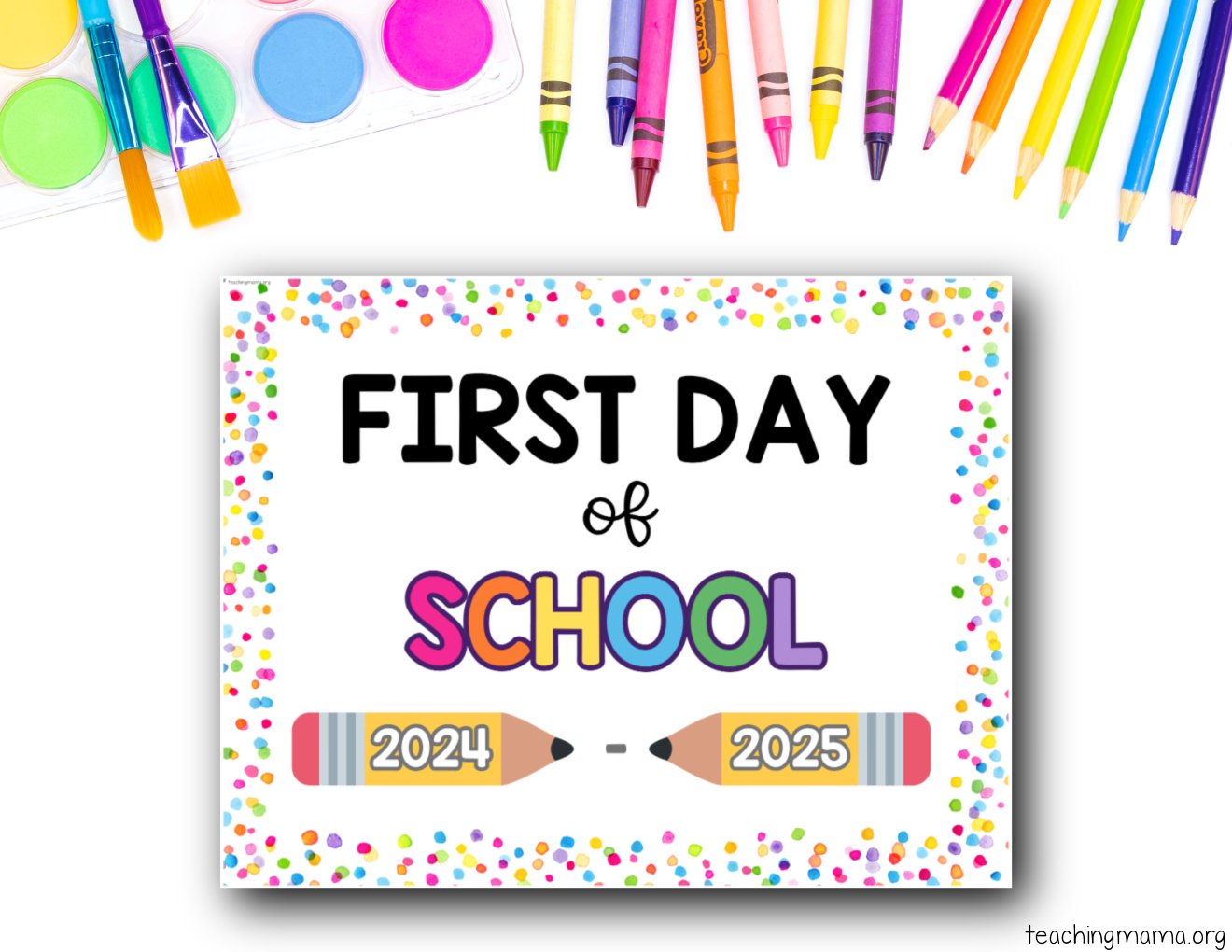
The first day of school is just around the corner (or maybe it’s here)! If you need a FREE and súper cute first day sign to print, we’ve got you covered! With two designs, you’ll have the perfect sign for your preschooler or senior on their first day of school.

First Day of School Sign

Looking for more back to school inspiration? Be sure to check out our Back to School Guide.

The Experience of Being an “Old Mom”

0
younger girl holding hands with old mom

I turned 41 two weeks ago. On my birthday, I struggled to put my two-year-old in his car seat because my hand hurt. At what age do arthritis symptoms start? I also have a bad knee, and it’s hard for me to sit on the floor to play with my kids. I used to run as my main form of exercise, and now I can’t run after my kids.

I didn’t plan on being an “old mom.” I always hoped to have my first baby before turning 30, but I didn’t even meet my husband until I was almost 31. Life threw us some curveballs, and I didn’t become pregnant with my oldest until I was 36. I roll my eyes every time I hear the term “geriatric pregnancy.” I hate that term. Like, I get it, I’m old. Thanks (again!) for the reminder.

I belong to a group on social media for “old moms” like me, and we share a lot of the same feelings about our “advanced maternal age.” I feel guilty for being in my 40s and not having the energy for my kids that I may have had a decade ago. I feel guilty because I’m going to be close to retirement age as they graduate high school. What milestones will I miss? Will I get to meet or enjoy any grandkids? I haven’t had this issue yet, but I’ll probably be mistaken for my kids’ abuelita someday. I have childhood friends who are celebrating high school graduations for their kids, and friends who are already grandparents, but I’m just getting started.

On a more personal level, I feel extra guilt over waiting so long to have babies because I will always wonder if it impacted my pregnancy. My first pregnancy was in 2020-2021, at the height of the Covid-19 pandemic. There were problems with the placenta in the third trimester, and my doctors could not determine the exact cause. It may have been a long-term effect of Covid-19 (which I had before the pregnancy), it may have just happened, or…it may have been because of my advanced maternal age. I had to be induced early after being diagnosed with fetal growth restriction, and my daughter had feeding problems for two years. I will always wonder if my age had anything to do with this.

When the moms in my social media group lament being in their 40s/50s with young children, you typically see the same responses- “nothing is guaranteed, and you may live until you’re 45 or until you’re 90,” “at least now you’re more financially stable,” “there’s nothing wrong with waiting to have the right partner first,” “there’s nothing wrong with choosing to wait,” “you can’t control when you’ll get pregnant.” All of these points are true. I know young moms who didn’t get the chance to watch their children grow. I’m glad I waited to find the right partner, and I definitely would have struggled to finish grad school if I’d had a baby in my 20s. I will say that while I usually regret being an “old mom,” I don’t regret the life I lived before having my babies. I earned a Ph.D., traveled, lived across the U.S. and Mexico, pursued my dream career, went out, had fun, and learned lessons. I basically did everything I wanted to do before building my family, and I was fully ready to enter the mamá season of life when it happened.

What has helped me the most as I navigate being an “old mom” is connecting with my friends who are also dealing with toddler tantrums, sleepless nights, diapers, getting ready for preschool, exhaustion, the body changes of your 40s while still recovering from childbirth, etc. It helps me to know that I’m not alone, and to remember that regardless of my age, every day I have with my children is a gift.

Raising Kids Without My Village: A Mexican-American Mom’s Reflection on Distance and Family

0
dad holding tablet, mom and daughter looking on | raising kids away from family

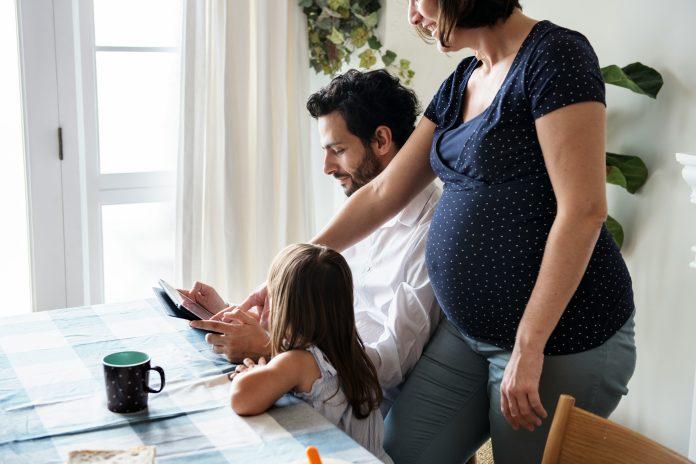
Nancy shares how raising kids away from family and the village that helped raise her isn’t what she wanted, but it’s where she finds herself in this season of life.


Like many Mexican-American children, I grew up surrounded by my family. In my hometown of Odessa, Texas, I regularly saw my abuelitos, tías, tíos, and many primos. The rest of my family was within driving distance, mostly in Chihuahua and Ciudad Juárez. I saw my grandparents in Odessa almost every day; they helped to raise me. My mom worked full time, so my abuelita Maria was the one who went to my awards assemblies and school events during the day. It was rare for my parents, sister, and I to take vacations on our own. In fact, I only remember two trips where it was just the four of us. We always traveled with our extended family. When I moved to El Paso to work on my doctorate, I grew closer to both sides of my family, who were split between El Paso, Ciudad Juárez, and Chihuahua. And Odessa is only a four-hour drive away from El Paso, so it was easy to stay connected to my “chosen family,” my childhood friends, while I finished grad school.

Then in 2013, I moved to Charleston, South Carolina, leaving behind everyone I love, my “village.” I never planned to live on the east coast, but this is where I was offered a job after graduation. During my first years in Charleston the homesickness was REAL, but at least I could spend the Christmas and summer breaks in Texas. I stayed connected to my people and shared some of their major milestones, but all of that changed with the pandemic. I got pregnant in late 2020, so I had to stay mostly isolated the entire pregnancy. My sister in Texas was amazing, and she planned a virtual baby shower. It was so nice receiving packages from my loved ones, but not being able to celebrate my pregnancy in person with my family really stung I didn’t realize that this would be my reality from that point forward; I’d be raising my kids without my “village.”

It’s really hard (and expensive!) traveling to Texas now, especially with two kids. Since 2020, I’ve missed almost every event back home–birthdays, weddings, quinceañeras, first communions, funerals…and almost no one from back home has met my kids or my husband here in Charleston. I only know most of my friends’ kids (and they know mine) through social media posts. The worst part for me is that my kids don’t have the daily interaction with their abuelitos that I had as a child. We communicate as often as possible, but it’s not the same as eating dinner with your grandparents every weekday while waiting for your mom to pick you up. That was my experience.

I was in El Paso a few weeks ago, visiting my parents and sister. That’s when reality sets in the most for me, because I see what my kids are missing out on. I know that leaving Texas was the right decision at the time (I met my husband in Charleston), and I try to rely on my faith and trust that I’m in South Carolina for a reason. I don’t know why, but the path back to Texas just hasn’t opened, and it’s hard feeling every day like I’m depriving my children of relationships and memories with my family and friends back home. This morning, my daughter asked if we could go to her abuelita’s house. I said “not right now,” and I wanted to cry. I wish I had a magic wand (or a winning lottery ticket, lol) to be able to travel regularly, find a new job, or at least live within driving distance of my “village” again. But I have to remind myself that I can’t replicate my childhood for my kids. Ugh, that’s hard. And I have to accept that they are starting to build their own “village,” and their experiences with their familia will be different from mine. For me, it’s a process of constantly letting go, accepting my circumstances as they are, and being grateful for every opportunity my kids have to connect with our family.

Caldo in the Summer? “¿Pero por qué, mamá?”

0

Caldo in the Summer? “¿Pero por qué, mamá?”

Growing up in the scorching Coachella Valley desert, I could never understand why caldo was on the menu during the summer.
Con tanta calor, ¿pero por qué? I’d whine.

But now? Now it all makes sense.

The other day, with the slightest shift in weather, I noticed my son had a bit of clear mucus, and boom—I was off to the carnicería to get chicken thighs. Something about that small change in his health triggered a deeply embedded instinct: el caldito de mamá.

While at the store, the woman behind the counter smiled when I told her what I was making.
“Ay, las mamás sí que nos enseñan a hacerle la sopita a nuestros bebés,” she said.

Then she leaned in with a bit of wisdom: “Get the one with the skin on it—it’ll give it flavor.”

Turns out, caldo isn’t just comfort food—it’s medicine.

In many cultures, hot foods like soups are more than just meals—they’re healing rituals. In Latin America, during la cuarentena (the traditional 40-day rest period after giving birth), women often eat only warm, soothing foods—especially soups—to support their recovery and well-being.

When I had my son, I Googled everything. That’s when I learned about Korea’s miyeok-guk, or seaweed soup. It’s traditionally given to new mothers postpartum because of its rich nutritional profile. It’s made with dried seaweed, shaved beef, beef broth, guk-ganjang (Korean soy sauce), minced garlic, and sesame oil.

Miyeok-guk is packed with iodine, iron, calcium, and other vital nutrients that help balance hormones and promote lactation. It’s so special, in fact, that it’s also the soup served on birthdays in Korea—a beautiful tradition that ties nourishment to celebration.

At my house, our version is caldito de pollo. It’s made with chicken (skin-on, of course), diced potatoes, zanahorias, calabacitas italianas, onions, garlic, oregano, and a roasted tomato base simmered in chicken broth.

Really, these calditos go beyond tradition. They’re curativos—healing, nourishing bowls of love.

And within families, healing soups are especially powerful. They offer more than warmth—they’re a way to nurture each other through colds, transitions, and long days. In a pot of simmering broth, we pass down recipes, culture, and care from one generation to the next. Soup becomes a quiet act of love, served one ladle at a time.

So yes, caldo en el verano might sound a little wild. But when you realize it’s about keeping our children healthy, strong, and comforted, it kind of makes sense.

Just maybe… don’t turn off the A/C while you’re at it.

Balancing Cultura & Modern Parenting: Raising Kids with Heart and Heritage

0
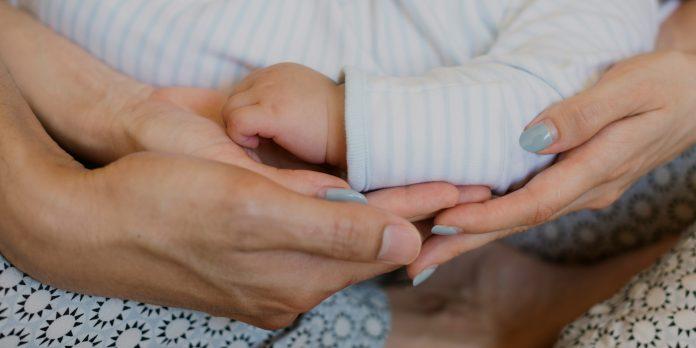
mom hands and dad hands holding a baby

Raising kids between cultura and modern parenting isn’t easy. Here’s how Nanyi blends tradition with intention—without guilt or shame.

Raising kids today feels like walking a tightrope between the way we were raised and the new world we’re raising our children in. As Latina moms, we carry generations of culture, traditions, and values in our hearts—but we also live in a time where parenting trends are shifting, conversations around mental health are growing, and gentle parenting is becoming the new normal.

So how do we honor la cultura while embracing the best of modern parenting?

The truth is: there’s no one-size-fits-all. But here’s what I’ve learned in the journey of blending both worlds with love, patience, and intention.

1. Honor Your Roots Without Guilt

Many of us grew up with phrases like “Porque yo lo digo,” or “Calladita te ves más bonita.” That doesn’t mean our parents didn’t love us—they raised us with what they had and knew.

But it’s okay to evolve. It’s okay to raise your voice with compassion instead of fear, and still carry your culture with pride. You can say “te amo” more often. You can allow your kids to express feelings without it being seen as disrespect.

Personally, I’ve had conversations with my immediate family to respect the way I will and am raising my children. I’ve created the necessary boundaries to crush the generational trauma and create a love that will continue onto my children’s children. My role as a latina mother is a role that I do not take lightly and will continue to evolve while honoring our latino roots.

Growth doesn’t mean disrespecting where we came from. It means building on it.

2. Pick What Serves Your Family—Not What “They” Expect

Maybe you don’t make tortillas from scratch like your abuela did, but you teach your kids Spanish songs. Maybe you celebrate El Día de Reyes with store-bought rosca and still make it meaningful.

It all counts. Culture is about connection, not perfection.

Don’t feel pressure to perform your culture in a way that doesn’t feel authentic. Choose what works. Create your own version of tradition.

3. Modern Parenting Isn’t “Soft” – It’s Conscious

Letting your child share their feelings or creating gentle routines isn’t weak. It’s intentional. Many of us are the first generation trying to break cycles while preserving culture. That’s a heavy but beautiful responsibility.

Modern parenting doesn’t mean losing culture—it means using better tools to raise healthier, emotionally-aware children. You don’t have to choose between tradition and progress. You are the bridge between the two.

4. You’re Not Failing—You’re Fusing

You’re raising kids who might not grow up exactly like you did—and that’s okay. You’re teaching them about their roots, while helping them navigate a world you never grew up in. That takes courage and clarity.

Whether it’s letting your toddler watch Coco in Spanish, or choosing therapy over “just pray about it,” you’re fusing two worlds to create something uniquely yours.

Finding Balance

Whether you’re parenting with chanclas y consequences or time-ins and affirmations—your love is the common thread.

So let go of guilt, embrace grace, and know this: you’re doing it beautifully.

Three Simple Fourth of July Crafts | Free Printable

0
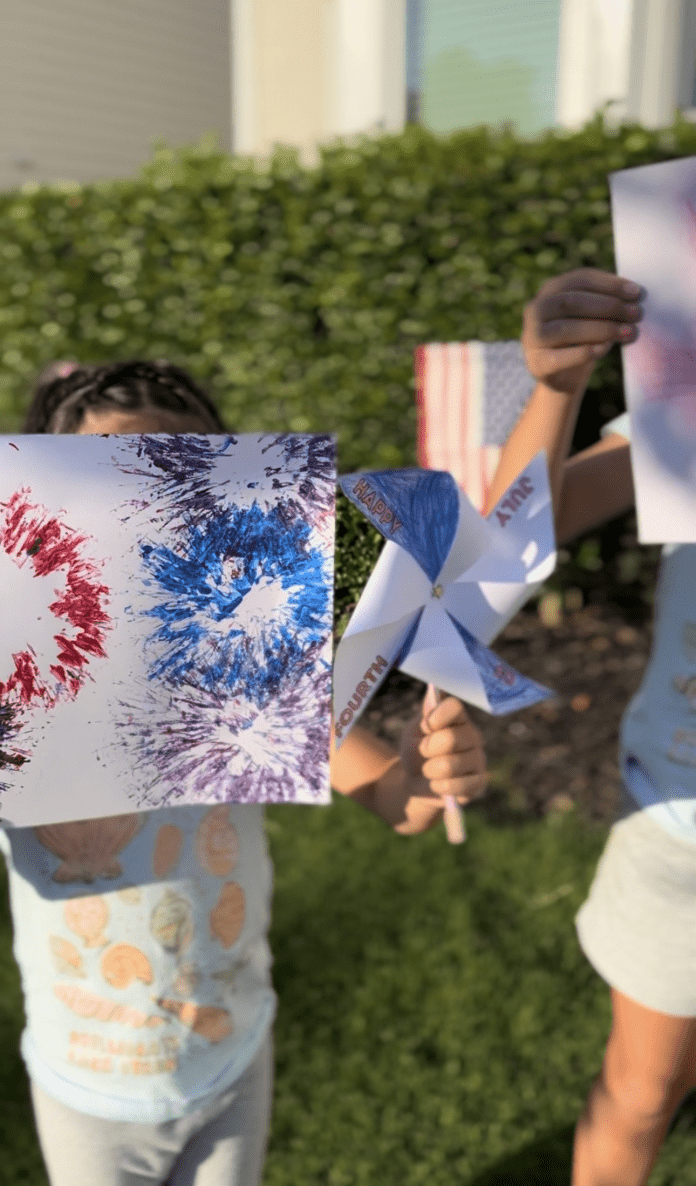
Fourth of July Crafts

I love a festive craft as much as the next mom, but some crafts take too much prep work. These three simple Fourth of July crafts are perfect to throw together with whatever you have on hand or with a quick trip to the store.

Chalk Stars

Supplies:

  • Chalk (Sidewalk chalk works perfectly fine if you don’t have pastel chalk)
  • Star Stencils
  • Scissors
  • Tape
  • Black or White Paper (Black paper really makes it pop)

Instructions:

  • Cut out star stencils to your preferred size
  • Secure the stencils to your blank paper with tape
  • Shade in around the star to

Firework Tube Art

Supplies:

  • Paper Towel Rolls
  • Paint (We used washable glitter paint)
  • Scissors

Instructions:

  • Cut thin strips about halfway up an empty toilet paper roll, and continuing all around. It’ll look a bit like fringe.
  • Gently push the cardboard strips so they fan outward and can be laid against a flat surface.
  • Dip the fanned out fringe end of the toilet paper roll into the paint.
  • Let the kids mix and have fun – art is meant to be messy.

Pinwheel + Free Printable

Supplies:

  • Fourth of July Pinwheel template (Available to download toward the end of this post)
  • Supplies to Color With: Markers, Colored Pencils, and/or Crayons
  • Metal brads
  • Scissors
  • Straw
  • Glue

Instructions:

  • Print out the template on white paper.
  • Color and decorate pinwheels.
  • Cut out their pinwheel. They should follow along the outside of the square and then cut on the four diagonal lines. Make sure they don’t cut all the way to the middle.
  • Use the hole punch to punch one hole in each of the circles.
  • Optional: Turn the pinwheel over to the backside. Decorate the pinwheel near each hole. Once assembled, this part will be the center of the pinwheel. Turn the pinwheel over to the frontside again and continue to the next step.
  • To assemble the pinwheel start with one corner, bend it towards the center making sure NOT to fold or crease it. Hold the metal brad above the center of the pinwheel with the flat part at the top and the metal tabs facing down (like a mushroom). Put the brad through the hole and continue to the next corner until all four corners are secured.
  • Bend the ends of the brad to keep the pinwheel in place.
  • Glue the back of the brad or button to the top of the straw.
  • TIP: MAKE SURE NOT TO GLUE THE PINWHEEL OR IT WON’T SPIN.

Raising Bilingual Kids: Real-Life Tips from a Latina Mom

0
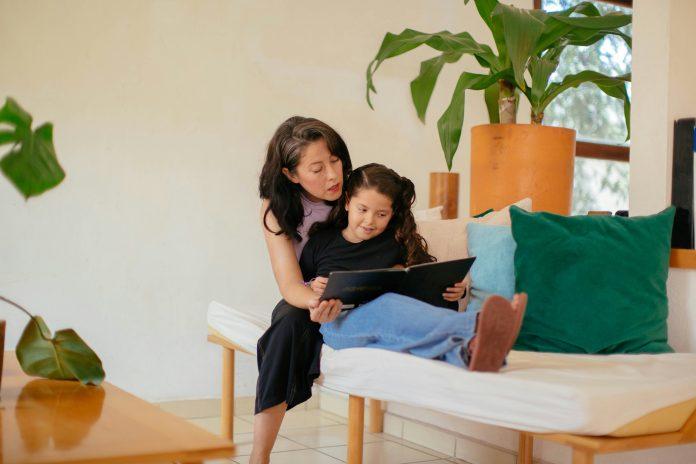
Raising bilingual kids | Latina mom reading to daughter

In a world where English dominates, many Latina moms (myself included) face a unique challenge: how do we keep Spanish alive in our homes and hearts while raising bilingual kids?

We want our children to succeed in school and society, but we also want them to understand their roots, culture, and identity. Bilingualism isn’t just a skill—it’s a superpower and a bridge between generations.

Trust me, I get it! I remember my first day of school, I was scared, anxious and had no clue how to speak English. The school enrolled me in ESL Class (English as a Second Language). Thanks to ESL class and becoming a complete book nerd, I mastered English.

So yes, I was the eldest daughter filling out application forms, calling offices, and translating for my mother. However, I didn’t feel comfortable speaking in Spanish, I was too timid, and my pronunciation was always off.

Fast forward to when our daughter was born, I was certain we would speak to her in Spanish and raise her bilingual. But I was afraid she would run into the same obstacles as I did. So, what did I do? I mainly spoke with her in English and her father spoke with her in Spanish. I have a child who understands Spanish but is more comfortable speaking English.

As she’s blossoming into a young pre-teen, she’s beginning to start speaking more Spanish and my heart rejoices that she independently is choosing to do so! Below are real-life tips that we use in our household!

Here are some practical, real-life tips to help you in raising bilingual kids who are proud to speak Espanol:

1. Speak Spanish Consistently at Home
It starts with us. Choose a consistent routine—maybe Spanish at home, English outside. It doesn’t have to be strict, but consistency helps kids know what to expect.

Narrate daily activities in Spanish: “Vamos a lavarnos las manos” or “Quieres una manzana o una banana?”

2. Create a Spanish-Rich Environment
Label items around the house in Spanish. Play Spanish music, watch Spanish cartoons or family-friendly shows and movies, and read bilingual books together.

Our Favorites:
Coco (Disney+)
Encanto (great for Colombia-inspired language exposure)
Books by Monica Brown or Alma Flor Ada

3. Don’t Be Afraid of Spanglish
It’s okay if your child mixes English and Spanish—language mixing is normal in bilingual development. Correct gently, and celebrate progress, not perfection.

4. Involve Abuelos and Tias
Use family to your advantage! Encourage grandparents, tias, or older cousins to speak only in Spanish to your kids—it strengthens family bonds and reinforces the language in a loving way.

5. Make it Fun
Turn learning into a game! Use flashcards, apps like Endless Spanish or Duolingo Kids, and play games like Loteria to build vocabulary.

6. Celebrate Latino Culture
Language and culture go hand in hand. Celebrate holidays like Dia de los Muertos, Nochebuena, or El Dia de Reyes.
Share family recipes, traditional music, and stories about where your family comes from.

7. Be Patient and Keep Going
Bilingualism is a long game. Some days your child may resist. Other days they’ll surprise you. The key is consistency, encouragement, and modeling pride in speaking Spanish.

You’re not just teaching a language—you’re planting a legacy. Every “gracias,” every bedtime story on Espanol, every salsa dance in the kitchen—you’re passing on pride, culture, and connection.

So, keep going. You’re doing an amazing job raising the next generation of bilingual kids.

Motherhood and the Sacred Art of Slowing Down

0

In the chaos of daily tasks and endless to-do lists, Kristen reflects on her motherhood style and reminds us to slow down and savor the fleeting moments that truly matter.

How often have you told yourself, “I need to do this, and that,” but the list just never ends? There’s always something. A pile of laundry waiting. Trash cans that need emptying. Diapers to buy. Appointments to schedule. The mental to-do list loops like a song stuck on repeat—relentless, unforgiving.

But one day, it hit me: that list? It will never stop. It will always be there.

What won’t always be there is this moment. This season with my son is fleeting and fragile. The chance to sit on the floor, simply play, and to be present. He’s almost two. And right now, this is all he wants. All he needs.

Life will return to some sort of routine, eventually. The pieces will fall back into place. But maybe children come into our lives precisely to interrupt that rhythm. To slow us down. To invite us into their pace—a world where time stretches and wonder lives in the most ordinary things.

I used to chase the next big goal. Sometimes I find myself reflecting on my career—thinking about how I can grow, improve, and keep evolving. But motherhood quietly shifted something deep inside of me. It offered a new season—one of serenity, softness, and stillness. A slowness that no job title or promotion could ever gift. And in that slowness, I found healing. I found presence. I felt whole again.

Sure, I still catch myself drifting—planning out the week, checking boxes, forecasting meals and meetings. But now, I’m more aware of the weight that urgency brings. And in those moments, I hear my mother’s voice, echoing like a warm breeze:

Cuando te sientas abrumada, solo huele la cabecita de tu bebé. Mira sus manitas. Son pequeñas. Él está aprendiendo el mundo, igual que tú. Y eso está bien.

There’s a quiet magic in this kind of slowness.

It reminds me of my abuelita’s rancho in México—the kind of slow that feels holy. The kind where you wake up with the rising sun, not an alarm clock. The rooster crowing, the gentle clucking of gallinas, the smell of earth still wet with morning dew. There were no plans, no calendars—just a soft rhythm to follow: maybe café de olla and huevos with salsa for breakfast, maybe boil some frijoles for later, pull weeds in the garden, greet the vecinos passing by. That was the day. And it was enough.

That same kind of pace lives in baking—slow, intentional, layered. You gather the best ingredients, you prep with care, you wait. Or in hiking—step by step, breath by breath, until you finally reach the view.

Children carry that same energy. They don’t rush. They don’t over-plan. They live moment to moment—curious, present, wild and wonderful. And maybe that’s the lesson they offer us: That life isn’t meant to be sprinted through. It’s meant to be lived—deeply, fully, softly.

So let them teach you. Let them pull you into their world as you walk through motherhood.

And if you need to slow down, do it.
The dishes, the emails, the errands—they can wait.
You’ll get to them tomorrow.
But this?
This moment is now.

How to Help Your Child TRULY Get Fluent in Spanish

0
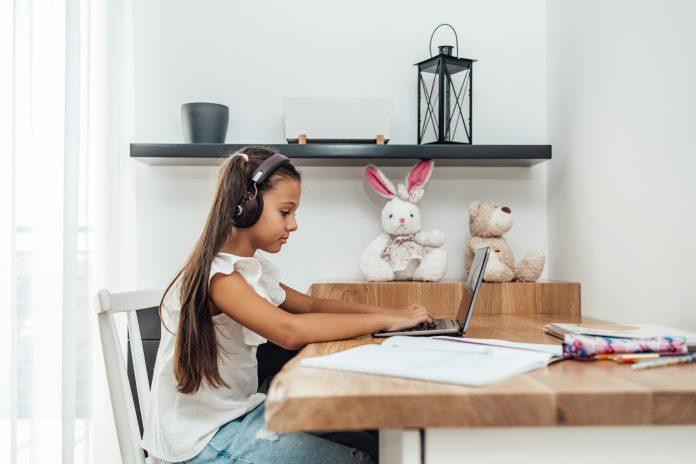
Girl Typing On Computer For Digital Learning | TruFluency Kids Spanish x Latina Mom Collective

TruFluency Kids Spanish makes Spanish learning interactive & fun for kids! Their flexible, online classes are designed for real-world success.

TruFluency Kids Spanish x Latina Mom Collective

“How do you say ‘I’m brave’ in Spanish?”

If you’ve ever had a child ask you how to say something in Spanish, or proudly repeat a new phrase they just learned, you know that spark. It’s that moment when language comes alive, when it clicks that Spanish isn’t just something to memorize, but a way to express who they are.

Maybe it happened while they were singing along to a song you grew up with. Maybe it was during a class, or a bedtime story, or a spontaneous kitchen dance party.

Those are the moments that remind us that fluency isn’t just about flashcards and quizzes. It’s about connection, confidence, and conversation.

That’s the heart of what Trufluency Kids Spanish offers: a true path to Spanish fluency rooted in storytelling, interaction, and joy.

Your Kid Can TRULY Get Fluent with TFK Spanish

As a Latina mom, raising kids in a bilingual household is something that matters deeply to me—but I also know it’s not always easy. There are so many programs that promise quick results, and as a busy parent, it’s tempting to click on the one that says “Fluent in 30 Days.” But we know better, don’t we?

Fluency isn’t fast. Fluency is earned—through consistency, real connection, and conversation.

That’s what makes Trufluency Kids Spanish different. It’s not just about memorizing words. It’s about helping kids use the language naturally, confidently, and joyfully.

What Makes Trufluency Kids So Special?

Native-speaking teachers, trained to get kids talking.
Every teacher is a native Spanish speaker, trained in the Bellieu Method—an approach that prioritizes talk time over screen time. These teachers don’t just lead the class; they connect with the kids, creating a safe, engaging space for conversation. Whether it’s story time, show-and-tell, or games, your child is speaking Spanish from the very first class.

Story-based learning with real-life tools for parents
Kids learn best through stories—and TFK Spanish knows that. Each level comes with beautifully designed stories, songs, audiobooks, and even mini activity books that help your child absorb Spanish the way they learned English: through repetition, rhythm, and imagination.
And here’s what I love as a parent: TFK gives you a Parent Guide to help continue the learning at home. You don’t have to be fluent—just willing to sit beside your child, listen, and laugh along.

Structured like a real school—because it is one
This isn’t a random bundle of lessons—it’s a full curriculum with 9 levels that take your child from basic to fluent. Whether your child is starting with “hola” or already has some Spanish under their belt, they’ll be placed at the right level to grow from there.

Made by a mom, for real-life families
TFK was created by a mom who understands that life is busy, messy, and unpredictable. You can sign up for a full course or drop into individual classes based on your schedule. It’s flexible, affordable, and—most importantly—built to fit into your life, not the other way around.

The Research Is Clear: Immersion Works

Research shows that immersion is the most effective way to achieve fluency—especially for young learners. When kids hear, see, and speak the language regularly, it becomes second nature.

In fact, according to studies on second language acquisition in children, conversational interaction is one of the most powerful predictors of fluency. That means the best thing you can give your child isn’t an app or a workbook—it’s time to talk.

TFK Spanish understands that. That’s why talk time isn’t a bonus—it’s the foundation. Every class is designed to get kids speaking as much as possible. Week after week, their confidence builds. They’re not just learning Spanish—they’re living it.

Want to See the Magic for Yourself?

The best part? You don’t have to commit right away. You can try a drop-in class and see the difference for yourself. Your child will get to interact with other students, engage with a warm and welcoming teacher, and begin the journey to true fluency—all in one session. Private lessons are also available if you want even more talk time and faster progress. 

Trufluency Kids has a 100% success rate (and a money-back guarantee—though no one has needed it yet!).

Because our children deserve more than just vocabulary drills or passive screen time. They deserve a classroom where they feel seen, heard, and celebrated—in Spanish.

Let’s raise a generation of bilingual storytellers—kids who can express their ideas, their feelings, and their dreams in more than one language. With Trufluency Kids Spanish, it’s not just possible. It’s already happening.

Try a drop-in class today and start the journey to fluency—one joyful conversation at a time.

While this post is sponsored by TruFluency Kids Spanish, all opinions, thoughts, and research are shared in truth by the Latina Mom Collective Editorial Board.

The Latino GDP and Why Supporting Our Community Matters

0
Women Holding Shopping Bags | Latino GDP & Supporting Latina/Latino/BIPOC-Owned Businesses

As Latina moms, we know the strength of our families, our traditions, and our work ethic. But did you know that our community is also one of the strongest economic forces in the U.S.? The Latino Gross Domestic Product (GDP) is growing at a rate that outpaces the overall U.S. economy, contributing significantly to job creation, small business growth, and consumer spending. Yet, despite our economic influence, Latino-owned businesses often face systemic barriers that limit their full potential. That’s why it’s more important than ever for us, as moms raising the next generation, to intentionally support our own.

The Strength of the Latino GDP

A recent study found that if U.S. Latinos were their own country, their GDP would rank among the top economies in the world. In 2023, the Latino GDP was estimated to be over $3.7 trillion, surpassing even major global economies like the United Kingdom and India. This economic output is driven by a rapidly growing labor force, entrepreneurial spirit, and strong consumer spending.

Latinos are starting businesses at a rate higher than any other demographic. Between 2007 and 2019, the number of Latino-owned businesses grew by 34%, compared to just 1% for non-Latino-owned businesses. Despite this, Latino entrepreneurs receive significantly less venture capital and business loans than their white counterparts, creating financial challenges that limit scalability.

Why We Must Support Our Own

Knowing the strength of the Latino GDP, we have an opportunity—and a responsibility—to reinvest in our own community. Here’s why it matters:

1. Job Creation & Economic Mobility

Latino-owned businesses employ millions of people, many of whom are from our own communities. Supporting these businesses means strengthening job security and increasing economic opportunities for families who share our backgrounds and experiences.

2. Closing the Wealth Gap

Systemic barriers have historically limited wealth accumulation in BIPOC communities. By circulating our dollars within our own communities—through purchasing from Latino and Black-owned businesses—we help build generational wealth and economic stability.

3. Preserving Culture & Identity

Latino businesses often celebrate and preserve our culture, whether through food, fashion, art, or services. Shopping at these businesses is not just an economic choice; it’s an act of cultural preservation and pride that we pass down to our children.

4. Setting an Example for Our Kids

As moms, we’re raising the next generation of leaders, entrepreneurs, and changemakers. By supporting Latina/Latino/BIPOC-owned businesses, we teach our children the importance of community, self-reliance, and pride in our roots.

How to Take Action

Supporting Latina/Latino/BIPOC-owned businesses doesn’t have to be complicated. Here are some simple ways to make an impact:

  • Shop Local: Choose Latino-owned businesses for everyday purchases—whether it’s groceries, clothing, or professional services. We have some of our favorite products and brands here.
  • Spread the Word: Share businesses you love on social media, write reviews, and recommend them to friends and family.
  • Invest & Mentor: If you have the means, invest in Latino-led startups or mentor young Latino entrepreneurs.
  • Advocate for Policy Change: Support initiatives that promote equal access to business funding, resources, and opportunities for underrepresented entrepreneurs.

Latinas are an undeniable economic force, and the growth of the Latino GDP proves that our contributions are invaluable to the U.S. economy. However, true economic empowerment requires us to show up for each other, to prioritize our own businesses, and to build a future where Latina/Latino/BIPOC entrepreneurs have the same opportunities to succeed as anyone else.

Every dollar spent is a vote for the future we want to see. Let’s make sure we’re investing in ourselves, our families, and our communities—because when we thrive, everyone benefits.


Are there any Latina-owned businesses you love? Drop them in the comments or share this with a fellow mamá who needs to see it!

MOST POPULAR

mom holding baby while working at a desk on a computer

Working Mom Guilt: What I’ve Learned About Balancing Career and Motherhood

0
Jessica shares her experience with working mom guilt, balancing a corporate career, and raising children. There is so much guilt that comes with wanting—or needing—to...

Another birthday, and a new phase of motherhood

0
Nancyn reflects on her daughter's transition from toddler to "big girl," sharing the moments of growing up, parenting, and letting go. ¿Mamá, ya soy una...
an image of the free summe memory banner

Free Summer Memory Banner Printable for Moms: A Simple Way to Display Summer Memories

0
There are thousands of photos on my phone right now. Note to self: Back photos up to Google Photos because my phone is full. Pool...
watermelon sliced on counter | 4 easy summer recipes

4 Easy Summer Recipes for Slow, Sunny Days

0
There’s something about summer that pulls us back into the kitchen in a softer way. Less rushed dinners. More fresh fruit. More recipes that...