A Literature Gem for the Summer

0
Woman on Beach Lounger Reading a Book | Gabriel García Márquez Literature Gem

Jessica reflects on reading One Hundred Years of Solitude by Gabriel García Márquez—exploring themes of culture, family, and magical realism while revisiting the novel through the lens of motherhood.


The summer is almost here and I’m sure we’re all brainstorming for ways to keep the kids entertained and the best ways to make it through it sane. That’s great, as it is important. Also, I’m here to remind you to think about you.

If you haven’t, let’s not get to a breaking point that forces us to do so.  Allow me to give you a suggestion on one that you can make last all summer or get it done in a few days because it’s just that good:

Cien Años de Soledad” by Gabriel García Márquez.“Gabo,” as he’s lovingly known.

Do I have your attention now?

If you’re not a reader or this is the first time you hear about it, keep reading for the perspective of a Mexican-American on this Colombian joya de la literatura that manages to keep us connected to our roots, family, and emotions with a salpicón de magia that summons the energy of our ancestors and makes us wonder about the lives lived throughout our heritage.

For those of you who already read it or even watched the Netflix series, I’m so excited for you, I’d love to hear your thoughts so reach out on IG and let’s dive into it, because I’m sure I’ll barely scratch the surface with the following.

“One Hundred Years of Solitude” came to my life when I had just moved from Mexico to Florida, as a teenager who left her known family to pursue an education en el gabacho with her less known family. I was already missing family and friends, and the culture that as a young kid you don’t realize is there until you’re out of it. I tried to find connection to the only life I knew back then and en español, which was the only language I fully understood.

I heard of the novel before but wasn’t old enough to read it, however, this was a perfect opportunity to dive into it and satiate my hunger for familiarity. There it was, Gabo and his magical, eccentric, and abstract tone giving life to a community based around la familia Buendía, and at the center (at least for a bit) la matriarca, Úrsula Iguarán. As I read through the pages, Úrsula represented the many women in my family who I always knew to be strong, dedicated to their families, sacando adelante la familia because that’s the only way they knew to go about life. Not my go-to character in the story at that time but one that felt like home because it made me wonder about the journey my grandma and great grandma went through to keep their family going.

It’s strange what your mind remembers and what it chooses to forget, or as I like to see it, to let go and make room for new and pertinent information. I read the book over 20 years ago now, but I relived it watching the Netflix series at the end of last year. And what a beautiful reencuentro with another time in my life, now with kids of my own and a busy life as a working mom.

It was hard to remember some details, but delicious to hear the dialogue from the actors while also “hearing them” in my head and voice as I read it for the very first time. “Aureliano Buendía nació mirando al mundo.” Not a literal phrase from the book, but one that triggered my mind about the first baby born in Macondo, un pueblo forjado por la familia Buendía y sus amigos. As magical as it can be, not only make-believe from your typical witches or wizards but the mystical realism of extraordinary events that open doors to the many possibilities of our memories and our supernatural powers that we all wished and even thought we had as kids. I wasn’t the only one right? García Márquez creates such a special place in Macondo, un rinconcito del mundo en que todo parece posible y común.

Reading the novel during my teenager years while starting high school where everything seems to be about appearances and looking your best according to others, I enjoyed the character of Remedios, la bella. Someone who seemed so magical and so effortless, the most beautiful woman in all Macondo, that had a magical end, which I won’t spoil but can share a dose of reality around it. Much like when I grew up and realized looks should be the least of our concerns (especially as a sign of acceptance from others), I later noted how García Márquez could have hidden a less ideal scenario for Remedios where she might have actually run away with one of her many admirers. Definitely less dreamy than the story in the book but still loved the depiction of her character. Her story made me reflect on how we choose to tell our story, y que los demas hablen. A similar feeling from when I watched a great novel turned movie Life of Pi. 

When watching the Netflix adaptation, I loved to see the locations that I once pictured in my mind. Some are similar, some are different, but all with the same taste to it. They really did a great job bringing the book to life. I remember that while reading the book I felt el olor a tierra¸the breeze that ran through the different stages of la casa de los Buendía, the look and feel of the skin when you’re en el campo with the slightest layer of dust, sweat, and freedom. This project is rich in Colombian talent dedicated to fully building Macondo, developing the costumes designed based on the period and the legacy of indigenous communities led by Catherine Rodríguez, with Laura Mora as the director, accomplishing the magical realism in which the book is written. En resumen, se disfrutó cien por ciento y se recomienda.

I hope I have at least sparked your interest in picking up this book from Gabriel García Márquez or binge watch the series this summer. I’m definitely thinking of re-reading the book because let’s be honest, our imaginations can surprise us with zero limits.

Looking for more gems like this one from Gabriel García Márquez? You can find our other recommendations here and some movie recommendations here.

Embracing My Abuela Era: Gardening Gifts to Grow with Your Kids

0
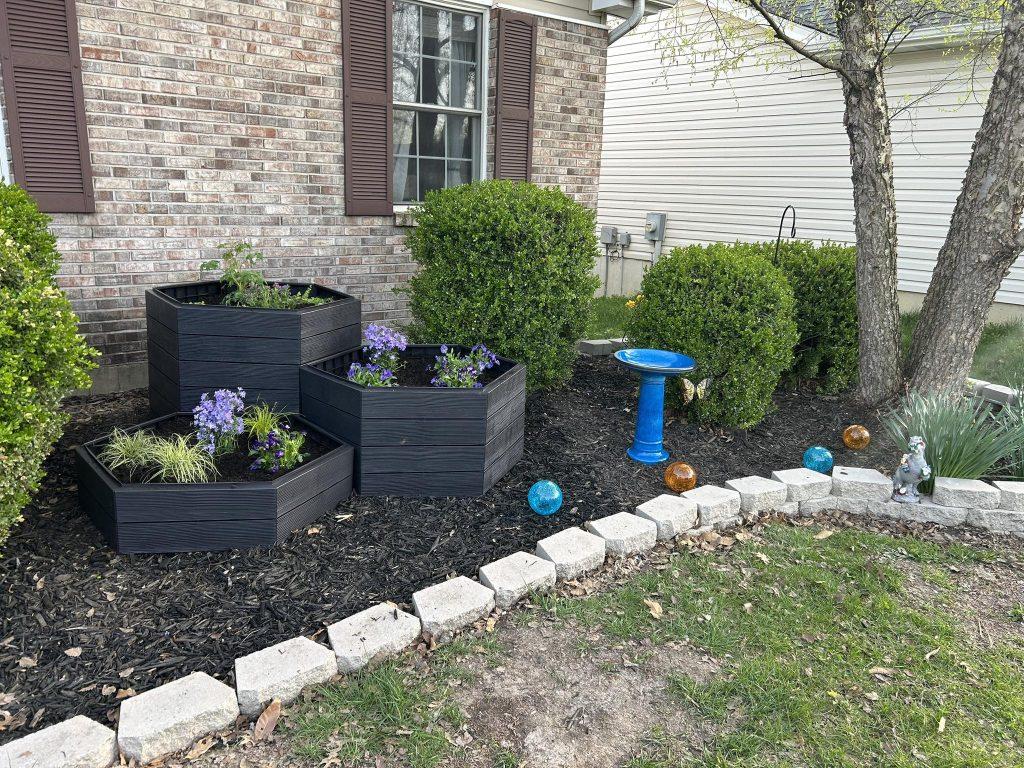
gardening month | photo of a garden with a patio set

I’ve recently decided to fully embrace my “Abuela Era”, and have really started to get into gardening. While I was researching and planning for a garden that I wanted to create in the backyard, I ended up discovering that May is “Gifts from the Garden” Month.

Now April is technically National Gardening Month, but I really love the idea of waiting till May to celebrate “garden-y” things. For most of the country, May means rising temperatures, less rain, and spring blooms tend to still be around while early summer blooms are already peaking through!

A Gift Without a Bow

Gardening is a “gift” that you can also share with your kids, and even though it is already May, it’s not too late to get started.  Gardening offers kids a hands-on way to connect with nature while developing important life skills. Through planting, watering, and harvesting, children learn patience, responsibility, and the basics of how food grows. It encourages healthy eating habits, sparks curiosity about science and the environment, and even supports emotional well-being by reducing stress and boosting confidence. Plus, it’s a fun, screen-free activity that gets them moving and outdoors!

Not sure if gardening is going to be your family’s thing? Think about starting with seeds, instead of live plants, because it’s a more economical way to figure out if your kids will enjoy participating in this hobby with you. 

Nasturtium: A Perfect Seed to Start

Have you ever heard of Nasturtium before? They’re a colorful, fragrant flower that has been known to attract butterflies and hummingbirds.

  • Nasturtiums are a good option to grow from seeds because they will germinate and grow quickly (older kids can even measure and track their growth).
  • They grow well in containers (being “in charge” of a certain pot or planter can help encourage a sense of ownership).
  • Nasturtiums come in many different colors (the whole family can help decide which colors to buy).
  • The seeds aren’t *too* tiny, which means kids of all ages can help plant them (even tiny fingers can make the seed holes in the soil). 
  • The seeds can be sown (put) directly into the soil (older kids can help read the instructions on the seed packets and figure out how deep and how far apart to plant the seeds).
  • Nasturtiums love sunlight, and their general bloom period is from midsummer to fall.
  • The flowers are edible (they have a peppery, almost mustard-like taste).

Once your Nasturtiums start to bloom, check out Childsplayabc for some fun ideas on how you can incorporate the flowers into sensory play, arts and crafts, and even recipes

Be sure to tag @LatinaMomCollective in your social stories as you garden your way though summer and your abuela era!

Easy Dinners for Busy Months

0

Looking for easy dinners as we finish the school year? Maddie has you covered.

For a lot of families across the United States, May means the end of the school year. It might seem like schools are trying to squeeze in as much as possible during this month. From end-of-year testing to spring concerts to graduations to field trips to class parties to final exams to field days to… yeah, May está súper busy

Plus in May you are finalizing summer plans, whether it’s planning a vacation or trying to find a summer camp your kid will enjoy or hosting a Memorial Day BBQ, a lot of that responsibility falls on us as mamás

As a working mom, when life gets extra busy like this, the first thing I want to take off my list is making dinner. And with everything getting more expensive, DoorDash and fast food aren’t necessarily my first choice to make dinnertime easier for me – much to the disappointment of my teen. 

I wanted to share some dinner ideas that are quick and easy to throw together, and more affordable than eating out or ordering in. 

2 Easy Dinners from Walmart

Pasta, Side Salad and Garlic Bread

  • This pasta kit is surprisingly good and can be made in the microwave.
  • Salad kits are so easy, and if you don’t like caesar salad, there are tons of other options.
  • If you don’t want to turn your oven on to make the garlic bread, try preparing it in a toaster, toaster oven, or air fryer.

Orange Chicken, Served over White Rice, with Broccoli

  • Everything can be heated in the microwave.

2 Easy Dinners from Aldi

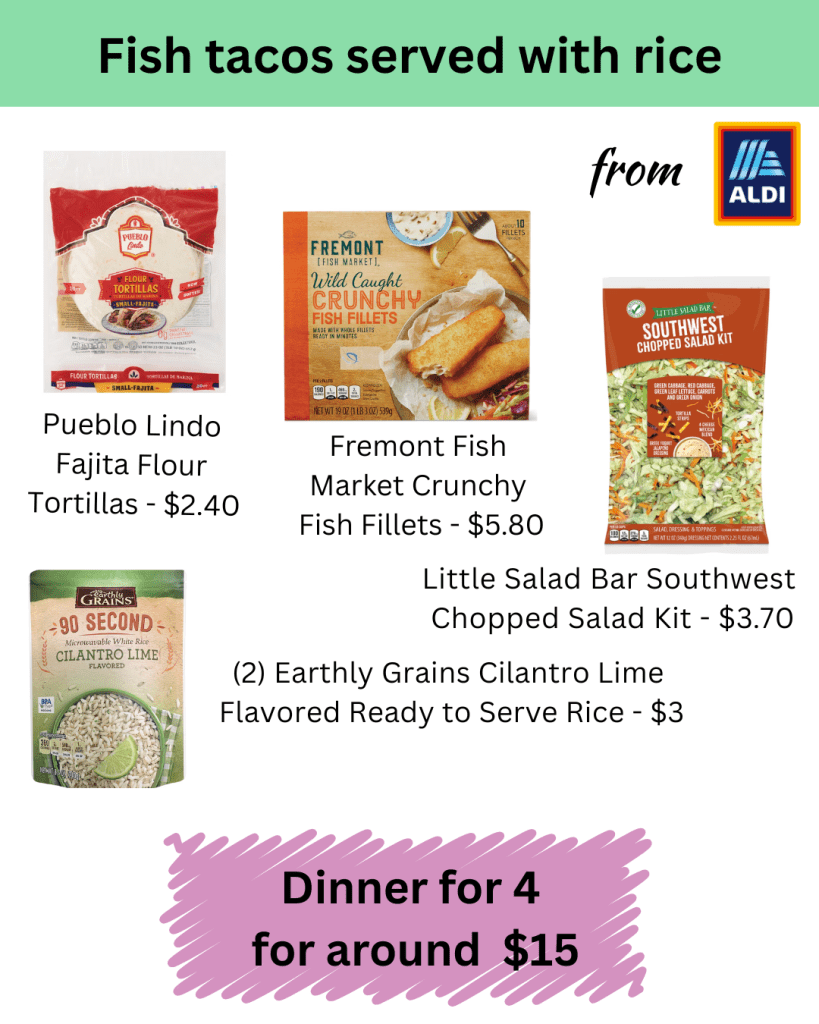
Fish Tacos Served with Rice

  • Rice is cooked in the microwave, and that’s where you can warm your tortillas too.
  • If you don’t want to turn your oven on to make the fish filets, they’re yummy when prepared in the air fryer too.
  • Mix up the salad kit but then use it to top your fish tacos.

BBQ Pulled Pork Sandwiches, with Mac & Cheese and Green Beans

  • Everything can be heated in the microwave.
  • I like to toast the insides of the buns in the toaster for about a minute on the bagel setting.

More Than Books: How Libraries Enrich Our Communities

0
Boy browsing book shelf | Importance of libraries

“Should I take the babies to the library storytime today?” I asked my two oldest daughers. “Library days are some of my favorite memories with you two.”

“Yes, but can we go one day, too?” My oldest asked right back. “I love going to the library now. Maybe they’ll have a scavenger hunt again.”

Libraries are more than just a place to borrow books—they are the heartbeat of our communities, providing access to knowledge, resources, and opportunities for each of us. There are quiet study rooms for students. There are scavenger hunts and play areas for the youngest readers. Like Arthur once said, “Having fun isn’t hard when you’ve got a library card.” Our libraries are an invaluable resource that offers something for everyone–no matter the attempts by those who are attempting to stop federal funding of these community treasures.

Why Libraries Matter

Libraries serve as equalizers, ensuring that everyone, regardless of socioeconomic status, has access to books, technology, and educational tools. They offer a safe and welcoming space for learning, cultural enrichment, and community connection. Many families rely on libraries for free educational programs that support literacy, language development, and lifelong learning.

According to the American Library Association (ALA), there are over 16,500 public libraries in the United States, serving millions of people each year. A Pew Research study found that 76% of Americans say that libraries help them find trustworthy information, and nearly 60% have used their local library in the past year. For low-income families, libraries can be a lifeline, offering free access to the internet, books, and educational programs that might otherwise be out of reach.

For many in the Latino community, libraries also play an essential role in preserving and sharing culture, offering bilingual storytimes, books in Spanish, and resources that celebrate diverse voices and histories. They create an inclusive space where our children can see themselves represented in literature and feel a sense of belonging. Studies show that children who are exposed to books in their home language develop stronger literacy skills and higher academic achievement in the long run.

Programs That Make a Difference

Libraries offer a wide range of programs designed to serve different members of the community. Here are just a few ways libraries contribute to our communities:

1. Early Literacy Programs

Libraries provide storytimes, toddler reading programs, and interactive play sessions that help develop language skills in young children. Many libraries also offer bilingual story hours, exposing children to multiple languages from an early age. One of our favorite programs is the 1000 Books Before Kindergarten program which encourages families to start reading from day one of a child’s life.

2. Homework Help & Tutoring

Students of all grade levels can access free tutoring, homework help, and online learning resources. Many libraries partner with local schools to provide additional academic support. A report by the Institute of Museum and Library Services (IMLS) found that students who participate in library afterschool programs show improved reading and writing skills.

3. ESL and Language Learning

For families who speak Spanish or other languages at home, libraries offer English as a Second Language (ESL) classes, language learning programs, and resources for adult learners looking to improve their language skills. The U.S. Census Bureau estimates that 22% of U.S. households speak a language other than English at home, making these programs essential for integrating into society and the workforce.

4. Technology Access & Digital Literacy

Not everyone has access to a computer or the internet at home. Libraries provide free Wi-Fi, public computers, and digital literacy workshops to help people navigate technology, apply for jobs, or complete school assignments. The ALA reports that 90% of libraries offer free internet access, helping bridge the digital divide, especially in rural and low-income areas.

5. Career Development & Small Business Support

From resume-building workshops to small business resources, libraries empower individuals looking for career advancement or entrepreneurship opportunities. Many offer free courses on financial literacy, grant writing, and job searching. Research by the Urban Libraries Council shows that over 73% of libraries help patrons with job applications and resume writing.

6. Cultural & Community Events

Libraries often serve as cultural hubs, hosting author talks, book clubs, film screenings, and workshops that highlight diverse experiences. Many offer special programming during Hispanic Heritage Month and other cultural celebrations. According to the IMLS, libraries host over 4 million programs each year, with an attendance of more than 113 million people.

Support Your Local Library

Libraries rely on community support to continue offering these essential services. Consider signing up for a library card, attending programs, or even volunteering. Advocating for library funding ensures that these valuable resources remain available for generations to come. In fact, studies show that every dollar invested in public libraries returns an average of $5 in economic benefits to the community.

In a world where digital information is abundant but not always accessible to everyone, libraries remain a beacon of knowledge, inclusivity, and opportunity. They are a testament to the power of community and the belief that education should be available to all. So next time you walk into your local library, remember—you’re not just stepping into a building filled with books; you’re stepping into a space designed to uplift and empower you and our communities.

The Bittersweet Truth About Watching Your Kids Grow Up

0
Mom Holding babies hand| The Bittersweet Truth About Watching Your Kids Grow Up

Two weeks ago, my son—my baby boy—turned two.
Next month, my daughter will turn four.
My babies are gone.

I remember always being excited about my birthday when I was a child, but now I wonder how my mom felt on that day.
Don’t get me wrong—I am absolutely grateful for the chance to see my children grow another year older.
Many mamás don’t get that chance.

But this year, especially, I’m feeling all sorts of grief because I feel like I now have to start the process of letting them go.
Like every birthday, they’ll need me just a little bit less.

It’s weird for me to miss them being infants because the infant stage was horrible.
My daughter didn’t sleep through the night until she turned two… and by that point, her baby brother was only weeks old.

My husband and I haven’t had a good night of sleep in almost four years.
My body is a wreck because I’m always too tired to exercise or cook regularly.
I’m sure I now have high cholesterol, my clothes don’t fit, and I haven’t lost any of the baby weight.
My home is always a mess.

A few months ago, I was so excited to finally get rid of all the “baby clutter.”
A friend of mine was having a baby boy, so I gave her everything—the rocker, the swing, the car seat, bottle sterilizer, breast pump, clothes, etc.—and I was so happy to finally get some of my space back.

But then I cried when I saw all of the stuff in my vehicle.
And I cried the entire way to my friend’s house.

I still have to quickly walk past the infant clothes section at certain stores because seeing the onesies makes me tear up.

I miss my babies.
I miss their cute onesies.
I miss rocking my daughter to sleep as she sat on my big pregnant belly.

About seven or eight years ago, when my nephew was an infant, he’d fall asleep in his crib while listening to a specific set of lullabies that my mom had playing on his swing.
I’d watch him sleep while listening to those songs, and I felt the call to motherhood deep in my bones.

I was certain in those moments that I’d have a son someday.
When my son was born, we received a swing as a gift—the one with the music my nephew fell asleep to.
I spent so much time just watching my son rock back and forth to his music, and I still have those lullabies recorded on my phone (though I can’t listen to them because I’ll cry, lol).

I can’t believe that in an instant, I went from longing to become a mother… to having toddlers.
I don’t know how that happened.

They say that “the days are long, but the years are short.”
This is so true with kids.

I blinked, and now my son doesn’t need me to pick him up as much as he used to.
I blinked, and my daughter learned how to put on her shoes.
Time is a thief, and I can’t stop it.

Just like I miss my babies, I know that I’ll eventually miss my toddlers.
Then I’ll miss my tweens, and so on…

But for now, I will accept that this is part of motherhood—
missing who my children were,
and celebrating who they are becoming.

Primavera y Poder: How Spring Inspires Latina Moms to Bloom Again

0
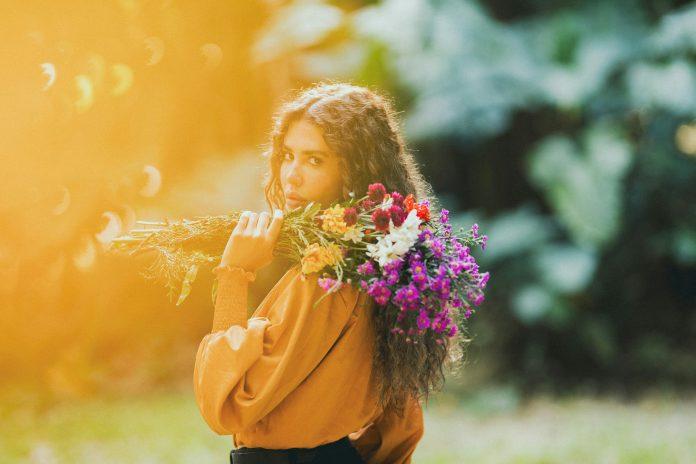
Woman holding flowers | primavera

Spring is here! As mothers, our initial thoughts are spring recitals, spring home cleaning, time changes—you name it! But really, that all goes because la primavera isn’t just a change in season—it’s an invitation. It is an invitation to finally feel the new year has started and to reflect on how we can bloom in ways we may have forgotten during the chaos of colder months.

As we move into the new year, we have vision boards, workouts, and diets we want to accomplish. However, realistically speaking, it is at the time we are the most tired; we have been drained for the past 365 days in which we had to embrace our roles as emprenderoras, madres de familia, tias, hijas, esposas, amigas y mucho mas. Our bodies and minds are trying to catch a break. This is the reason whys has that feeling of cleansing and invitation to officially kick off the year with the energy to go through another year all over again.

La Maldita Primavera, or is it truly maldita?

In between work deadlines, spring football season, and wiping sticky little faces, spring gives us a moment to pause. It reminds us that growth isn’t just for the garden we just planted. It’s for nosotras también. As flowers begin to blossom, the air feels warmer, and the bees go back to their routine, our inner power and fearlessness begin to blossom as well. This is the season where Latina moms begin again — not from scratch, but from strength.

I have to admit that as a mother of three, finding my blossom is not easy. I have a teenager finding his way through middle school, sports, and life lessons, and two little girls who live in a world of unicorns, Bluey, and Hello Kitty — my days are full. I feel constantly overwhelmed as I juggle being in PTA, a professional in higher education, and a community partner trying to be the voice in spaces where representation matters. And yet, when spring arrives, I feel a subtle shift. It tells me, You, too, deserve to grow. It is time to blossom and showcase the beauty of the sacrifices you’ve made for too long.

Power doesn’t mean that we need to keep climbing higher, it can also mean that we can dig deeper — in our memories, our family, ourselves.

La Primavera reminds me that it’s okay to be soft and strong at the same time. This is the season in which I feel I can lead in my community while still prioritizing time with my family — going to the farmers market, taking a walk around the block, or planning an impromptu carne asada in the backyard just because the breeze feels right. These small activities lead me to the need to drink more water, spend more time with friends, and finally open that book I’ve been meaning to read.

Reconnecting with Self: Regain your Resistance and Love

As Latina moms, we are always taught about the importance of caring for everyone else first. El esposo y los hijos son tu prioridad, pero que no se te olviden tus papás… Yet somewhere at the bottom of the list, we still need to take care of ourselves too. It has taken me a while, but with age and experience I have found that making time for myself is needed and that is important, in some sort of revolutionary way, which allows me to finally break the cycle.

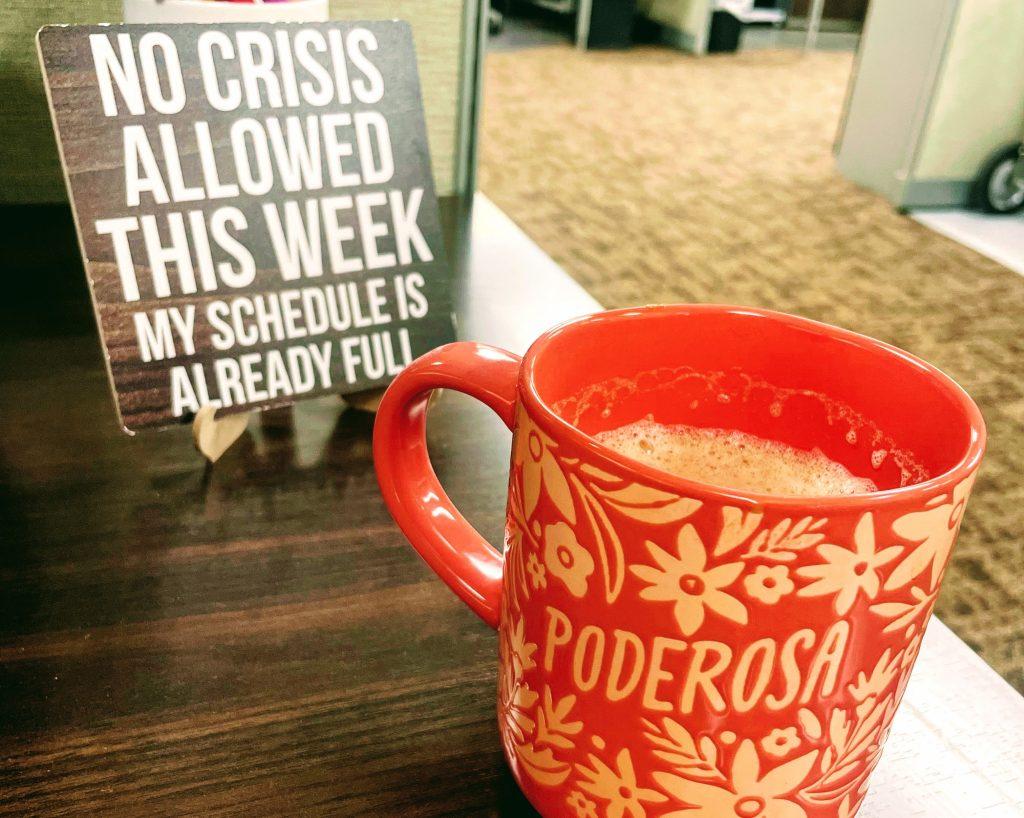
Reconnecting with myself in spring doesn’t require a full schedule and big milestones. It often starts small, like trying a new cafecito recipe or getting a new cup so you can enjoy it as you sip slowly before starting on the day. A playlist of old-school and new-school that you can blast as I clean, dance, and let go. A solo walk, where I can just be Ana — not mommy, not coordinator, not PTA president — just me.

Sometimes that reconnection means checking in with the dreams I left waiting. Pick up on the long list of article ideas I have been meaning to write for the past few months. The business idea of building my brand that I have been drafting for years. The parts of myself I had to quiet to survive the holidays and keep my family happy. This season tells me, Bring them back. Dust them off. Bloom!

Self-care doesn’t always look like spa days, especially for me though I’ll never say no to brow threading at Ziba while having some amazing conversations with Ms. Z. Sometimes it’s setting boundaries. It’s working on the idea of saying no to more commitment. Not washing dishes after dinner and doing it until the next morning. Finding a new reality TV show or Hallmark movie that I can watch while hiding in the room and watching it alone. Reconnecting with self is about coming home to the place where I can be the version of myself I love most.

I’ve learned that when I bloom, so does everything around me. My kids get a happier, more grounded mom. My work becomes more inspired. My community feels more connected. The power of spring allows me to begin again, not because we’re broken, but because we’re evolving. La primavera me deja florecer y ser mejor que ayer—The spring allows me to bloom and be better than I was yesterday.

The Beauty of Blooming Again

The spring is not about becoming someone new. It’s about bringing the new and revolutionized version of us. To remind us who we were and who we are now underneath the responsibilities, the exhaustion, the endless schedules. As Latina moms, we carry so much. But we also carry poder — the power to bloom.

So this season, I’m choosing to water myself with grace, to add that sprinkle of vitamin so I can regain strength and to stretch toward the sunlight of my joy. It’s important to remember that blooming isn’t a luxury, but it’s what we need. I invite you to join the same idea, to water yourself and allow yourself to bloom into the spring.

Breaking Silence: Supporting Families During National Infertility Awareness Week

0

National Infertility Awareness Week (NIAW) is here, and it’s time to talk about something that affects millions of families, yet remains one of the most silent struggles in the world — infertility. For too long, infertility has been a taboo subject, filled with shame, confusion, and isolation. But today, we’re breaking the silence. We’re raising our voices for those who struggle with infertility, those who feel alone, and those who need our support now more than ever.

Infertility in Our Community

Infertility doesn’t have one face. It affects women and men of all ages, backgrounds, races, and cultures. In our community, there’s often a cultural stigma around discussing infertility openly. Women feel pressured to start families early, and there can be an overwhelming sense of guilt or shame when it doesn’t happen easily. But let’s be clear: infertility is not your fault. It’s not a measure of your worth, your femininity, or your value as a woman. And it’s time we normalize these conversations.

The Stats You Need to Know:

  • 1 in 8 couples struggle with infertility.
  • Infertility affects men as well, with 1 in 4 cases having male-factor infertility.
  • For Latina women, studies show that there may be unique barriers, including cultural expectations, access to fertility care, and historical underrepresentation in research.
  • The journey through infertility is not linear. Some will find success with treatments, some may adopt, and others may build their families in ways they never imagined. But it’s important to remember, no matter the path, you are not alone.

Breaking the Silence

Whether you’re personally going through infertility, or know someone who is, it’s crucial we show our support and compassion. This week (and always), let’s challenge the silence and stigma. Here are a few ways you can help:

  • Listen: Sometimes, the best thing you can do is listen without offering advice. Acknowledge their pain and let them share their story in their own time.
  • Share Your Story: If you’re comfortable, share your own fertility journey. You never know who it might help feel seen or understood.
  • Support Financially or Logistically: Fertility treatments are expensive. Offering to help fund a cycle, or simply helping with transportation to appointments, can mean so much to someone navigating the financial burden of infertility.
  • Educate Yourself: Infertility isn’t just about medical treatments. It’s an emotional, mental, and physical journey. Understanding the realities of infertility can help you support your loved ones better.

Why NIAW Week Matters

NIAW is not just about awareness — it’s about action. It’s about taking the time to understand the emotional and physical toll that infertility has on those who go through it. It’s about creating spaces where people can speak openly, feel validated, and find support. It’s about making sure no one has to go through it alone.

Let’s use this week to spark those conversations. Let’s make space for the stories that are often hidden behind closed doors. And let’s honor the resilience of those facing infertility.

As we observe National Infertility Awareness Week, I want to send love and strength to all those navigating infertility — whether you’re trying to conceive, undergoing treatments, or grieving the loss of a dream. I see you. We see you. You are not alone.

Let’s keep breaking the silence. Let’s keep supporting each other.

Nuestras Raíces: She Taught Me Without Saying a Word

0
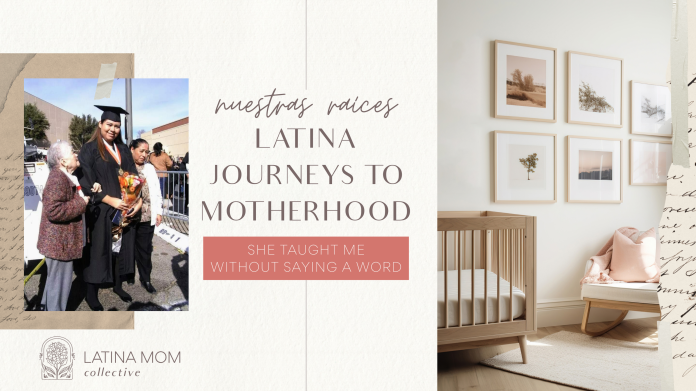
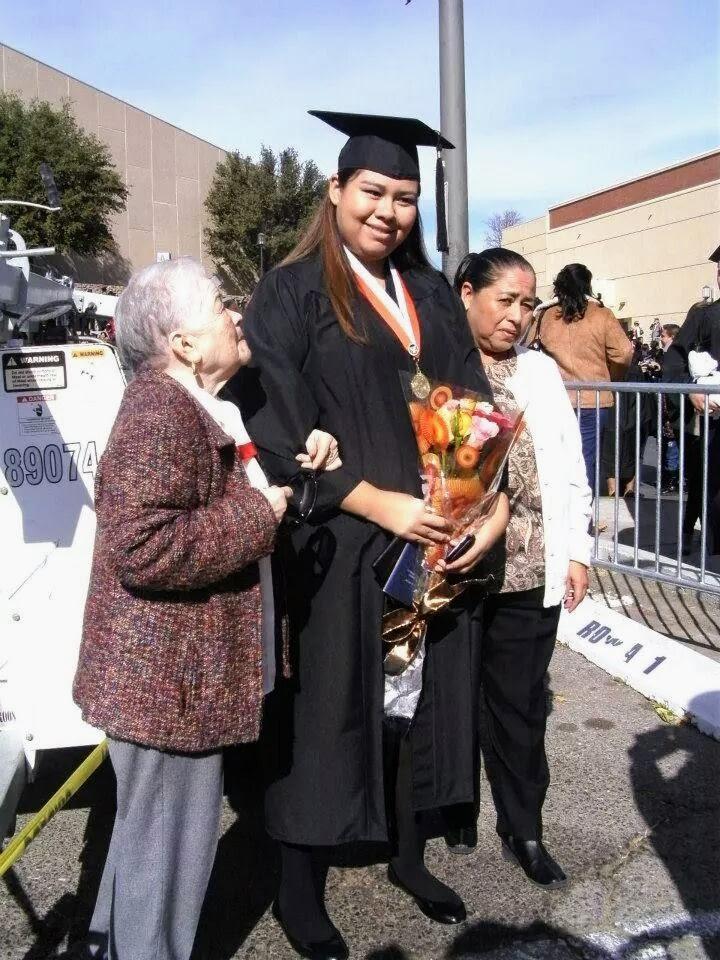
Photo of Ana with her Grandmother and Mother at Graduation | Latina Journeys to Motherhood

Ana shares how her mother’s and grandmother’s actions impacted her motherhood journey.

Growing up in a Mexican household meant our days were filled with more than the scent of fresh tortillas, while Mujer Casos De La Vida Real played on the kitchen TV. My days were filled with love, strength, and unspoken sacrifice. My mother and my Tita were the center of the family, they were the ones who would welcome everyone and would save them from anything, no matter what. They taught me from a very young age that the love of a mother is not defined by who birthed you, but rather who has raised you and given their everything for you.

My mother always showed up for me and gave me everything like the most powerful woman on the planet.

The Lessons She Taught Me Without Even Noticing

My mom taught me so much in life and still does. Her role as a mother extended beyond me; she was always there for everyone, no matter what. She moved mountains and made miracles to give a dream Quiceañera to my cousin, she devoted her early hours of the day to care for my little nieces, she dug holes and painted tall buildings just to earn a paycheck to sustain our needs. She always managed to have our favorite meals, to clean the house, and help at school while still helping my grandmother cared for the whole family, no matter their age or marital status. From her, I learned the act of serving, the beauty of giving, and being kind. She taught me that actions mean a thousand words and that quality can be stronger than quantity.

I built a friendship with my mom that helped navigate through life a little more easily, to learn how to value and respect myself. I grew up watching my mom never give up, always giving her everything despite people’s lack of appreciation for her actions. The many pieces of advice she gave me about not giving up and the common sayings, “no te dejes de nadie” or “nadie tiene porque hacerte menos y hacerte llorar” are still some of the main pieces of advice I keep at heart. I try to navigate life with a serving and warrior heart, but centered on the idea of not allowing anything or anyone to push me down. As a mother now I am guiding my children to the same advice, however, I am showing a different thing that my mom didn’t showed me, I am showing them to walk away from those who do not appreciate and value me and my actions.

Embracing My Role As a Mother

Now, as a mom to three children and a stepmother of one. I find myself learning and growing the same way my mom did, or at least I try. I hear it when I see my daughters praying before going to bed, or when I tell them, “You are strong, wonderful, and no one is better than you; everyone is their own person”. Those small rituals, sayings, and routines that growing up felt so small are now the biggest learning aspects I want to teach my kids.

Sometimes I catch myself doing something exactly as she would, such as drinking my Mexican soda straight from the bottle, or saying “cuando me muera voy a venir a ayudarlos a encontrar todo (when I die I still come to help you guys find everything)”, or gently rubbing my son’s back when he’s had a hard day. And I smile, because I know I’m keeping something sacred alive through my motherhood journey.

My Motherhood Journey

Motherhood, for me, has become the opportunity to honor and also change the past and the future that I have inherited from my mother and my grandmother. She is my motivation, my heart, my soul, and my biggest support. Because of her continuous dedication and love, I can continue following her advice as a mother, but also her encouragement to live my dreams and accomplish my goals, because those are some of the things she didn’t get to do.  

It’s about taking the wisdom my mother gave me and adapting it to meet my kids where they are. It’s about showing up, again and again, with a full heart even on the days when I feel like I have nothing left to give. She’s given me the power and the strength to know that a mother can do anything and everything for her kids.

My mother may not have had the words to explain all she did, but her love was always loud in the life she lived. And now, it’s my turn. I carry her lessons not just in my heart, but in how I mother. Even better yet, I carry her with me, I take her with me, and all the beautiful journeys I embrace in my motherhood journey.

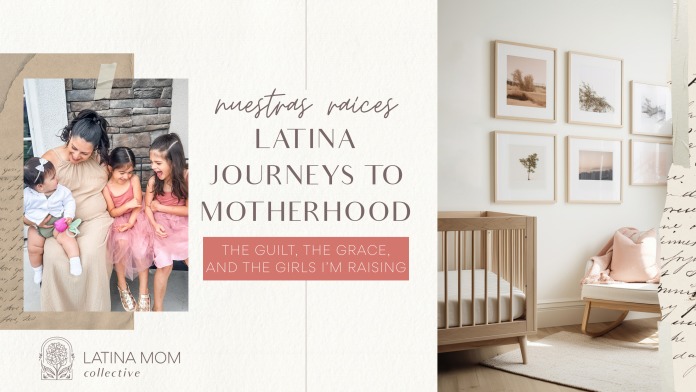
Nuestras Raíces: The Guilt, the Grace, and the Girls I’m Raising

0
Latina Journeys to Motherhood

A first-generation college graduate, corporate professional, and now mom of four, Ash reflects on her journey to motherhood

“Are you proud of me?” I asked my dad years ago. “I mean… for going to college and then choosing to stay home?”

“Of course, I am.”

“It’s just… you and Mom gave us that chance.”

“Don’t even worry about that.”

That conversation stuck with me. Because how do you explain the weight of generational progress? The feeling of holding a college degree — hard-won by the sacrifices of grandparents who worked in fields under the sun and parents who did whatever it took to get by — only to decide that your next calling was one not tied to paychecks or promotions?

My dad is the son of Mexican migrant workers. He spent much of his childhood working in the fields, his hands blistered before he was old enough to vote. Later, as a bi-vocational minister, he pastored a church while working long hours at a manufacturing plant. He didn’t finish his seminary associate’s degree until his late 30s — balancing work, ministry, and fatherhood along the way.

My mom also came from a family that saw the fields. She worked as a waitress before I was born, then later found a job at an elementary school — a job she’s held onto for decades. She earned her high school diploma but always wanted more. Still, she poured everything into her children’s future — into my future.

Together, they built a life they never had — one that included college dreams for their kids. And we made good on that dream. My brother, sister, and I all became first-generation college graduates, and we wore that title with pride. My brother and sister took it a step further and earned their Masters degrees at a prestigious university.

But my journey took a turn my degree didn’t prepare me for.

Before becoming a mom, I built a promising career. A young Mexican-American woman in a corporate environment, fluent in two languages, navigating rooms where I was often the only person of color at the table. I was proud of where I came from and how far I’d come — from a family who spent 12-hour days in the sun to a place where I could request a stability ball for an office chair and chat over gourmet food trucks at lunch.

Then came motherhood.

My path into motherhood wasn’t easy. I experienced three miscarriages before our first child was born, and another between babies two and three. Those losses broke me in quiet ways, but they also reshaped my faith, my strength, and my purpose. When I finally held my first baby, I held not just a child, but a victory.

I eventually made the choice to step away from the traditional career I’d worked so hard to build. I didn’t make that choice lightly. I battled guilt — asking myself if I was squandering the opportunities my parents and grandparents had worked so hard for. Less than 25% of Latinx Americans aged 25 to 64 had a two-year college degree or higher in 2016. I was part of a small but growing number — and I was leaving the boardroom to raise babies.

Would my parents be disappointed? Would they be proud of the mom I was becoming?

Since then, everything has changed.

I’m now a mom of four daughters. I’ve survived postpartum depression three times. I’ve survived a postpartum hemorrhage that nearly took my life. And in the thick of it all, I built Latina Mom Collective, a business rooted in my culture and my calling.

I’ve found my way in the messy middle — balancing client calls with classroom snack duty, writing strategies one moment and teaching my girls how to make fresh tortillas the next. I’m not choosing between motherhood and ambition — I’m redefining both.

And through it all, I know now that I am honoring my parents’ legacy. Not just with a degree or a career, but with a life that reflects their sacrifices, their values, and their dreams.

I’m raising four strong, compassionate, and culturally-rooted girls who know where they come from — and believe they can go anywhere.

I may not bring home a lavish paycheck, but I bring love, history, and power into our home every day.

I am a proud, college-educated Latina mother.

And that is more than enough.

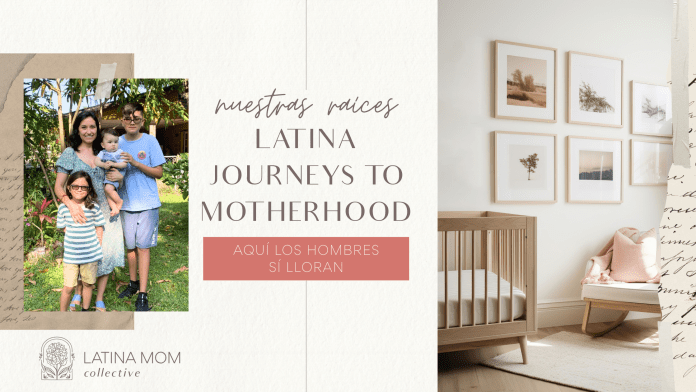
Nuestras Raíces: Aquí Los Hombres Sí Lloran

0

From the outside perspective, you’d see us as your common Mexican-American familia, but what doesn’t show is the little but meaningful things that we have managed to embrace and challenge to make a family of our own. The balance between the two cultures with the stigmas and expectations that come with each of them is truly an adventure to navigate. This means our three boys around the house experience things differently from what their dad lived through in his childhood.

They know feelings are okay, and crying is acceptable and necessary. Porque aquí los hombres si lloran and are allowed to go through a range of emotions to make them kind and emotionally intelligent adults.

They have shores around the house because we all live in it and take care of our casita.

They help with cooking because they enjoy it and do it since they are little.

I call them beautiful all the time because for me ellos son lo mas hermoso que la vida me ha dado.

And we don’t stop in our household. I call my nieces strong, smart, and brave every chance I get. They are pretty, but they are so much more than their appearance.

We respect when a little one says no to a kiss or hug, they have a voice and can choose how and when to receive love.

Whether it is a small act of resistance or a new approach to raising our kids, we’re making strides to apply our lessons. Because we know our parents did as best as they could with what they had, it doesn’t mean we have to keep traditions that we know don’t do anyone good.

There are so many other ways to embrace nuestra cultura. And there is a liberation that comes from opening up to new and improved traditions that respect every individual. Find yours mija.

MOST POPULAR

mom holding baby while working at a desk on a computer

Working Mom Guilt: What I’ve Learned About Balancing Career and Motherhood

0
Jessica shares her experience with working mom guilt, balancing a corporate career, and raising children. There is so much guilt that comes with wanting—or needing—to...

Another birthday, and a new phase of motherhood

0
Nancyn reflects on her daughter's transition from toddler to "big girl," sharing the moments of growing up, parenting, and letting go. ¿Mamá, ya soy una...
an image of the free summe memory banner

Free Summer Memory Banner Printable for Moms: A Simple Way to Display Summer Memories

0
There are thousands of photos on my phone right now. Note to self: Back photos up to Google Photos because my phone is full. Pool...
watermelon sliced on counter | 4 easy summer recipes

4 Easy Summer Recipes for Slow, Sunny Days

0
There’s something about summer that pulls us back into the kitchen in a softer way. Less rushed dinners. More fresh fruit. More recipes that...