Healthy Beginnings, Hopeful Futures: Why Latina Moms Must Advocate for Maternal and Newborn Health

0
Pregnant mom sitting on bed reading - World Health Day | Latina Mom Collective

Every April 7th, the world comes together to recognize World Health Day, an initiative led by the World Health Organization (WHO) to raise awareness about pressing global health issues. This year’s theme, “Healthy Beginnings, Hopeful Futures,” resonates deeply with us as Latina moms—it’s a call to action to ensure that mothers and babies receive the care they need for a strong, healthy start in life.

Why This Matters to Latina Moms

For many Latina mothers, pregnancy and childbirth come with unique challenges. Studies show that in the U.S. and Latin America, disparities in healthcare access, language barriers, and systemic inequities can impact maternal and newborn health. Too many women and babies—especially in marginalized communities—face preventable complications due to lack of access to quality prenatal and postpartum care.

As Latinas, we know that motherhood is a journey filled with both joy and sacrifice. But advocating for ourselves, our children, and our comunidad is one of the most powerful things we can do. This World Health Day, let’s center maternal health and ensure that every mamá—regardless of income, background, or immigration status—receives the care she deserves.

What We Can Do This World Health Day

Share Our Stories – Many of us have faced challenges in accessing healthcare. By sharing our experiences, we can amplify the conversation and demand better policies for maternal and newborn care.

Support Latina-Led Health Organizations – Groups like Moms Rising and local doulas and midwifery collectives are working tirelessly to support our community. Let’s uplift their work!

Advocate for Policy Change – From improving paid maternity leave to ensuring language access in hospitals, Latina moms can be a powerful voice in demanding better healthcare policies.

Prioritize Our Health – Too often, we put ourselves last. This World Health Day, let’s make a commitment to schedule our check-ups, seek mental health support if needed, and encourage other moms to do the same.

    A Future Where Every Mamá Thrives

    Investing in maternal and newborn health isn’t just about survival—it’s about thriving. When moms are healthy, families are stronger. When babies get the care they need from day one, they have a better chance at a bright future.

    This April 7th, let’s honor World Health Day by standing up for Latina mothers and their babies. Let’s demand better care, celebrate our strength, and ensure that every mamá has the healthy beginning and hopeful future she deserves

    The Ballet Folklórico de México and the Importance of Cultural Connection

    0

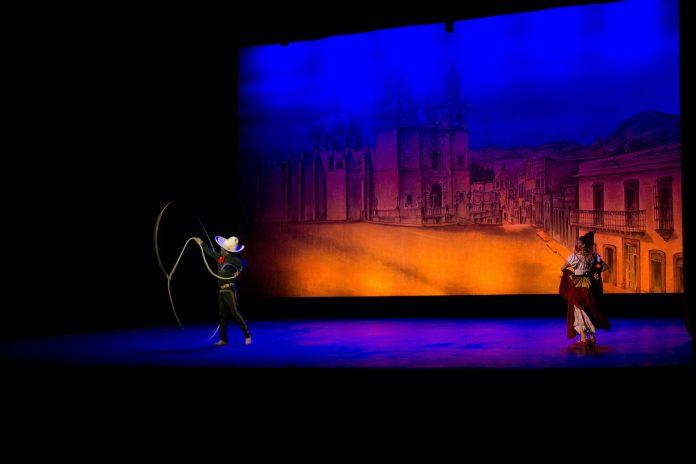
    My daughter and I had the opportunity to see the Ballet Folklorico de Mexico when it came to our city. The Ballet Folklórico de México is a Mexican folkloric dance ensemble located in Mexico City, where they usually perform. They also occasionally come to perform in bigger cities here in the US, and I was grateful that I had been able to snag some tickets because the event ended up selling out! 

    This was my tween’s first time attending this show, and she assumed that they were going to do the same style of dance throughout the entire performance. But she ended up being really impressed that the group did 9 different dances during the performance. And the dances really ARE different – the Ballet Folklórico de México brings together the music, dance, and costumes over various traditional dances from Mexico’s unique regions and states.

    The opening performance was called “Los Mayas,” a dance based on several legends that originated in the sacred books of the Maya. My daughter thought this was so cool because, in addition to being half Mexican, she also has Mayan ancestry. Her grandma lives in the Yucatan Peninsula and even still speaks Mayan, so this dance had a very personal connection. They actually performed multiple dances that honored the Indigenous communities and their influence on Mexico’s culture and history. We both enjoyed the dance “La danza del venado”—it definitely had interpretive dance vibes.

    We both really enjoyed the dance “Charreada,” a dance based on equestrian and livestock activities throughout Mexico. The main male dancer keeps a rope airborne for the entire dance, doing tricks with it (kind of like a hula hoop but way more difficult), and often has the rope around both him and the main female dancer. This dance definitely had a flirtatious vibe, and my tween would look over at me and roll her eyes whenever the main couple would “kiss.”

    We both agreed that our favorite dance was the one that originated from the state of Guerrero in Mexico, “Tarima de Tixtla.” The dancers tapped their shoes throughout most of the performance, and the sound it created was so upbeat and engaging. The costumes were also beautiful, and we both liked that this dance gave the male dancers a chance to shine!

    My daughter had a smile on her face throughout almost the entire performance, except for a few times when I looked over at her and she had teared up a little. This show wasn’t just a dance performance to her – the Ballet Folklórico de México’s show connected my daughter to her Mexican heritage in the most beautiful way. To see the impact and influence it had on her? Pues, eso no tiene precio. As we walked to the car, she went on and on about how much she loved the show, describing her favorite parts in detail.

    All this to say, if you get the chance to take your child to an event that celebrates their heritage and culture, it could end up being even more meaningful than you ever would have imagined. And even if you aren’t Mexican, if the Ballet Folklórico de México comes to your city, you definitely need to go.

    Images courets

    Celebrating International Children’s Book Day: Stories That Inspire

    0

    Sometimes it feels like there are so many random holidays celebrating just about everything from squirrels to ice cream, but April 2nd is definitely a day worth celebrating because it’s International Children’s Book Day. This day has been celebrated annually since 1967, and its purpose is to inspire a love of reading and bring attention to children’s books for the day.

    Sometimes it can be hard as a parent – to figure out how to explain some of the sad things that are currently happening in our country – and I’ve always found books to be a great resource to help start important conversations with my daughter! The following books celebrate family, culture, and the contributions of immigrants here in the United States. They also introduce important topics in an appropriate way for children, fostering empathy, tolerance, acceptance, and community. 

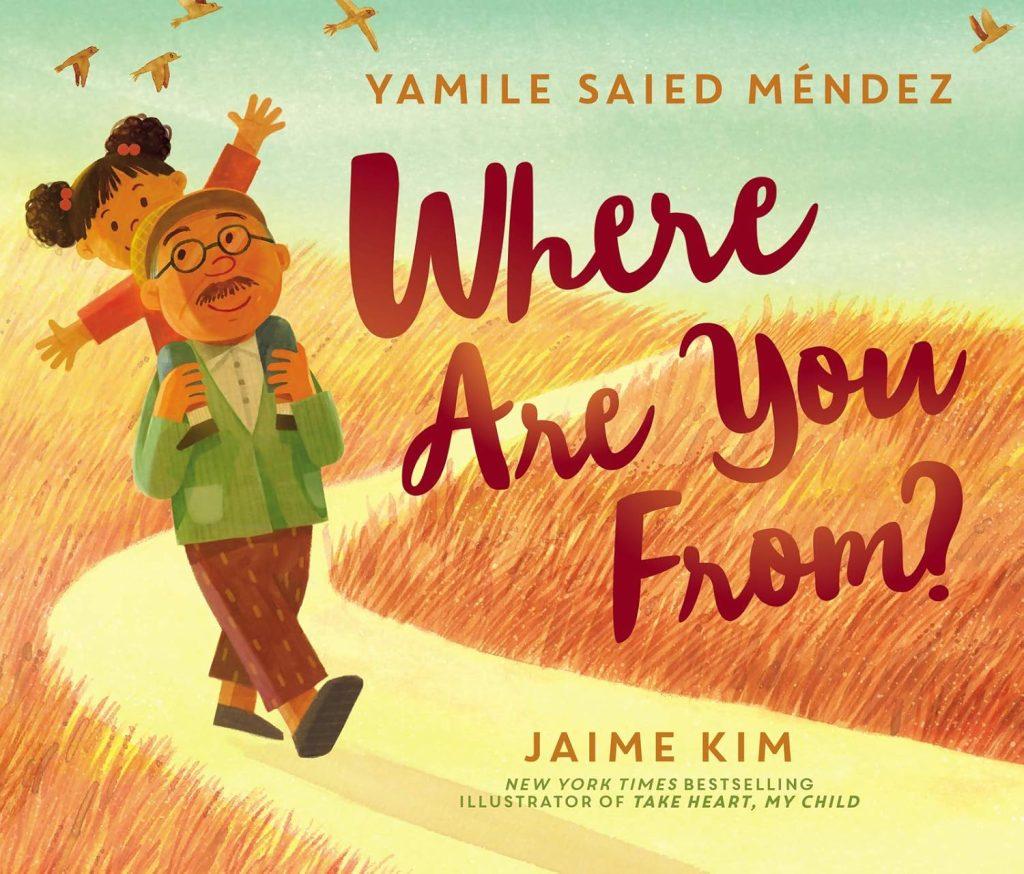
    Where Are You From? by Yamile Saied Méndez

    A story about a girl who constantly gets asked “Where are you from?” She struggles to come up with the correct answer, so she reaches out to her Abuelo, who helps her come up with a surprising and beautiful answer.

    Themes: Self-acceptance, identity, home

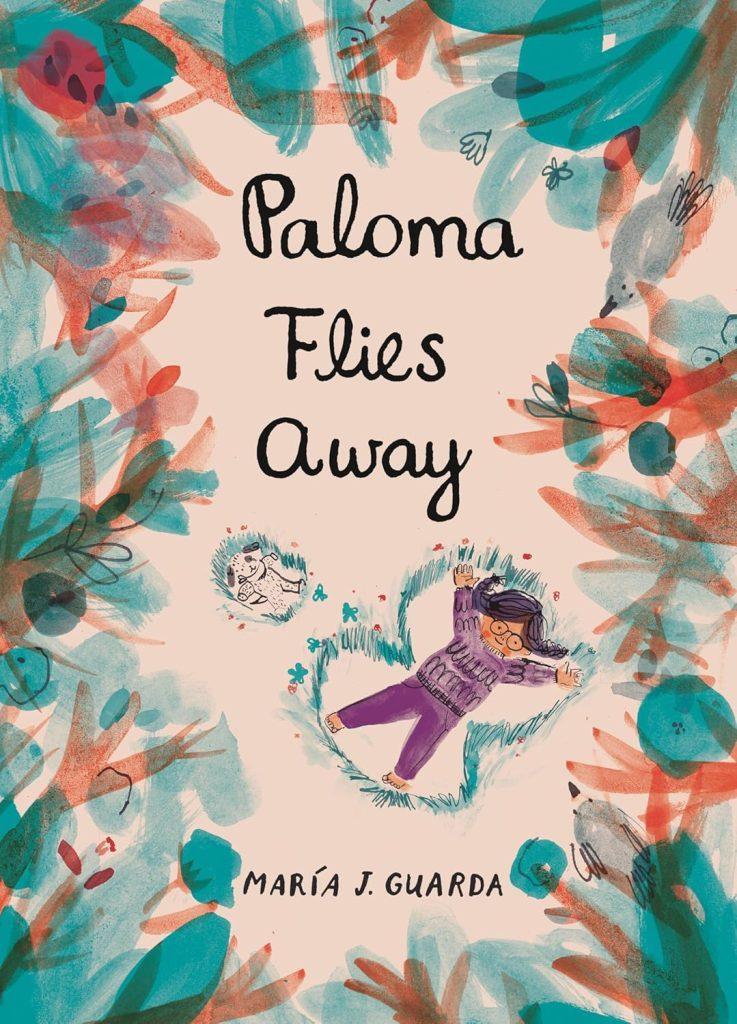
    Paloma Flies Away by Maria J. Guarda

    Paloma and her family have to leave their home country after a Dictator takes over. Her family goes on an adventure, traveling to a new country that is very different. As Paloma gets older, the family eventually heads back to their home country – but Paloma struggles because she barely remembers where her family came from..

    Themes: Home, Family, and Identity during times of change

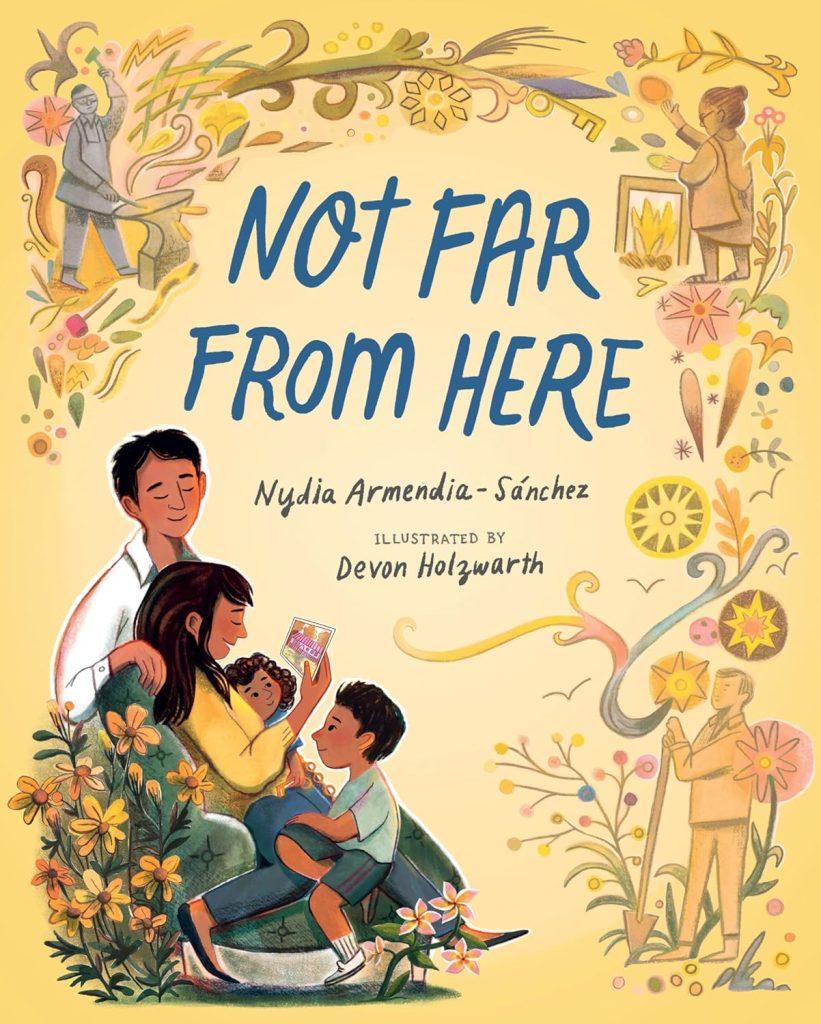
    Not Far From Here by Nydia Armendia-Sánchez

    A mom tells a story to her children of their family’s history; how the family started and how previous generations worked to overcome barriers known to many immigrant families.


    Themes: family, community, life as an immigrant, heritage

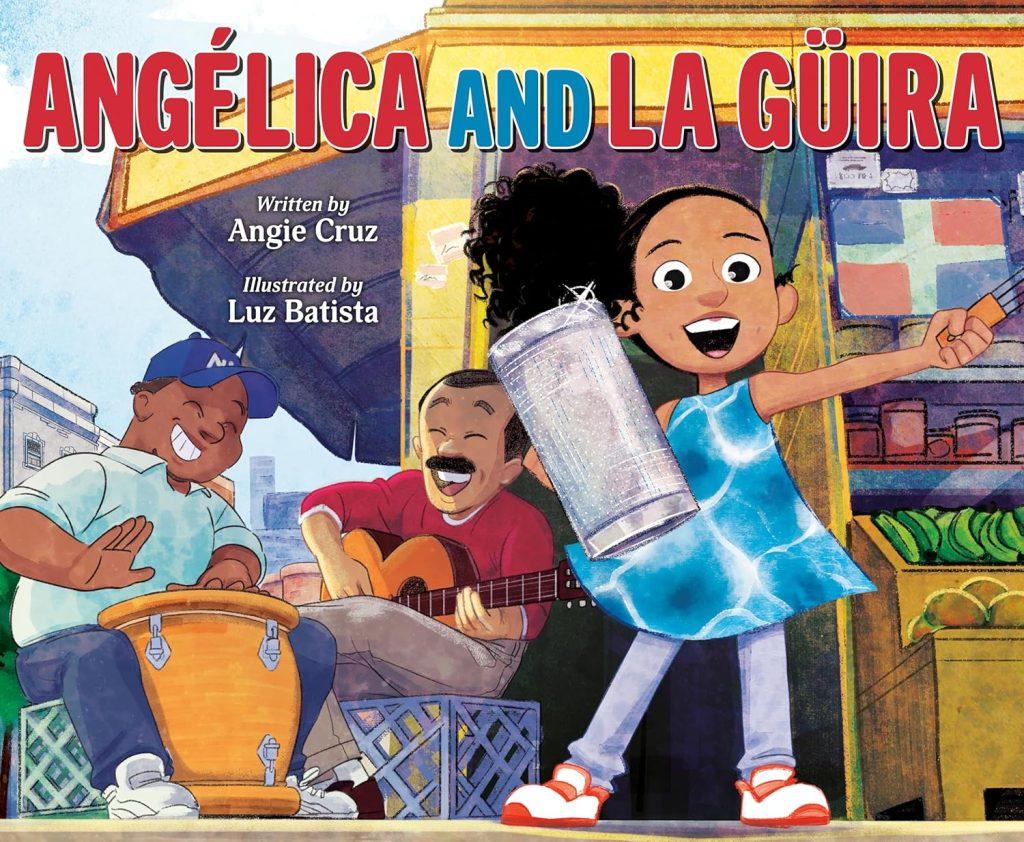
    Angélica and la Güira by Angie Cruz

    Angélica has spent the summer with her extended family in the Dominican Republic. When it’s time to head back to the United States, her grandfather gives her a güira, a traditional musical instrument that originated in the Dominican Republic. Back home, Angélica is able to share the güira with her neighborhood.

    Themes: family, community, culture

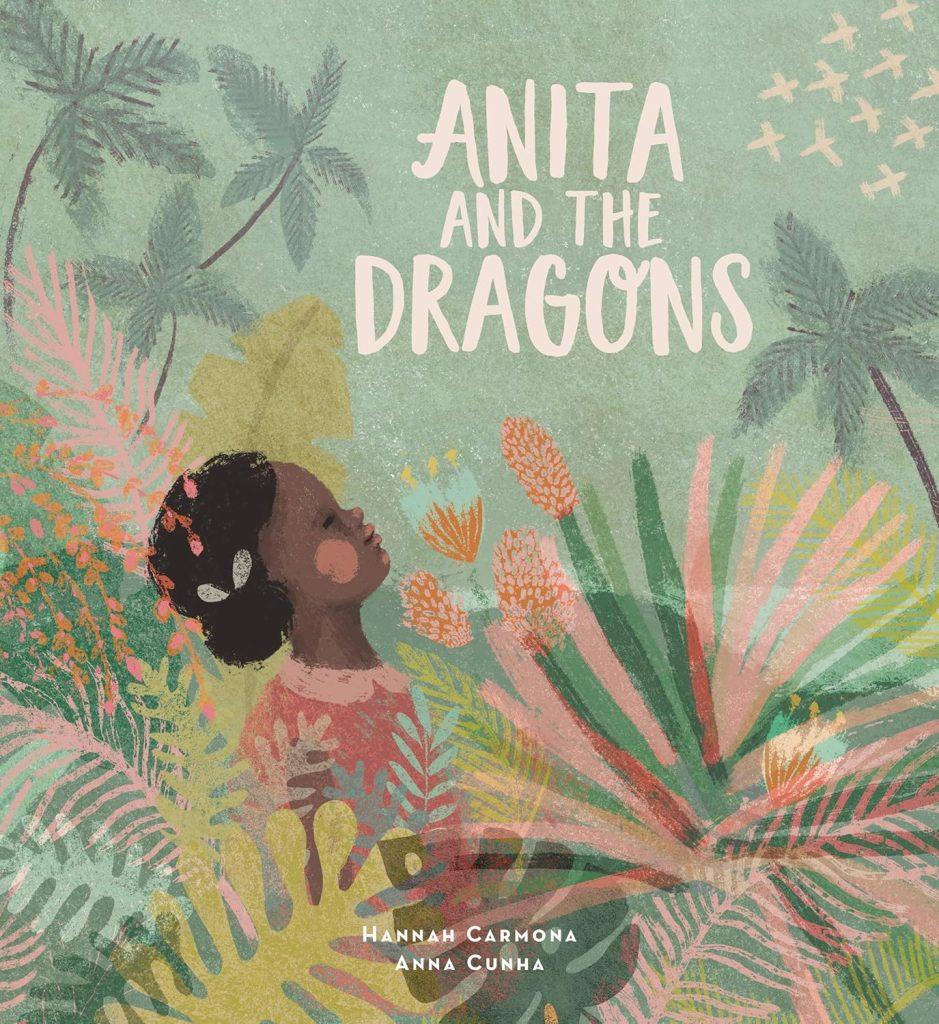
    Anita and the Dragons by Hannah Carmona

    This book tells the story of Anita, a girl who watches “dragons” from the rooftop in her village in the Dominican Republic. It details her adventure as she “rides one of the dragons” to a foreign land that will become her new home.
    Themes: love for one’s homeland, courage it takes to immigrate, feelings associated with immigration 

    Themes: love for one’s homeland, courage it takes to immigrate, feelings associated with immigration 

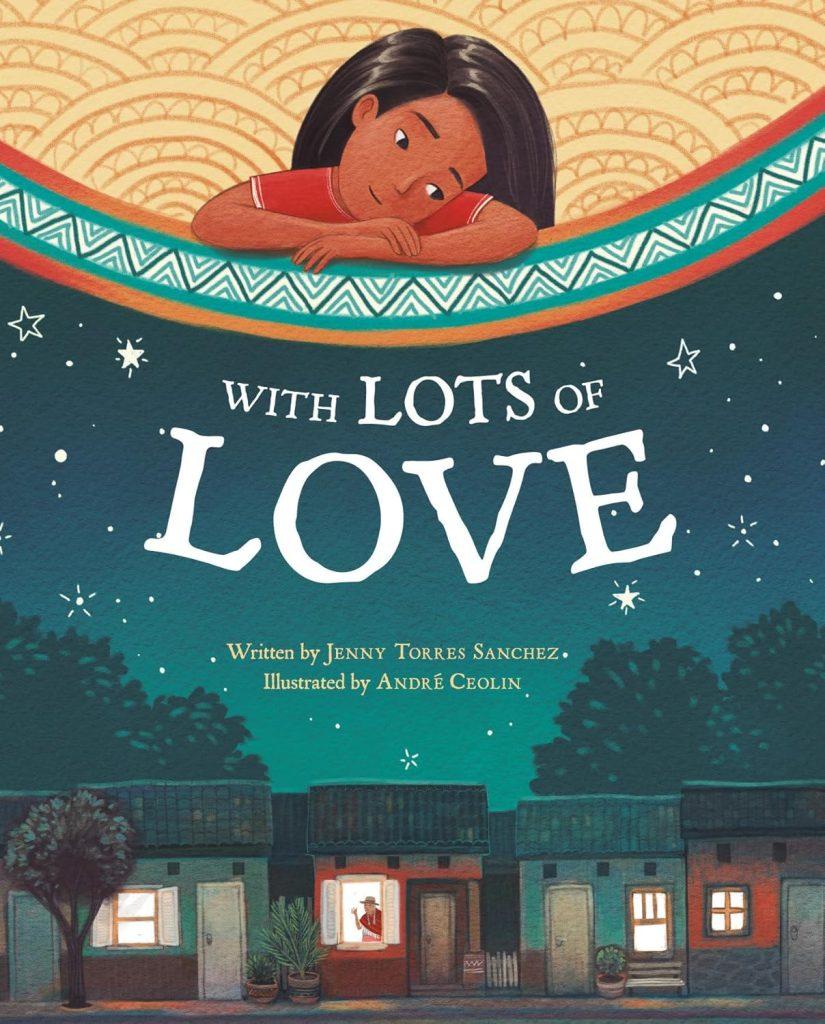
    With Lots of Love by Jenny Torres Sanchez

    The story of a girl named Rocio, who grew up in Central America, but then moves to the United States. As Rocio is adjusting to her new home, she realizes that she misses many things from her homeland, especially her Abuela. Luckily her Abuela is able to send a very special birthday gift to Rocio!

    Themes: family, community, culture, immigrating as a child

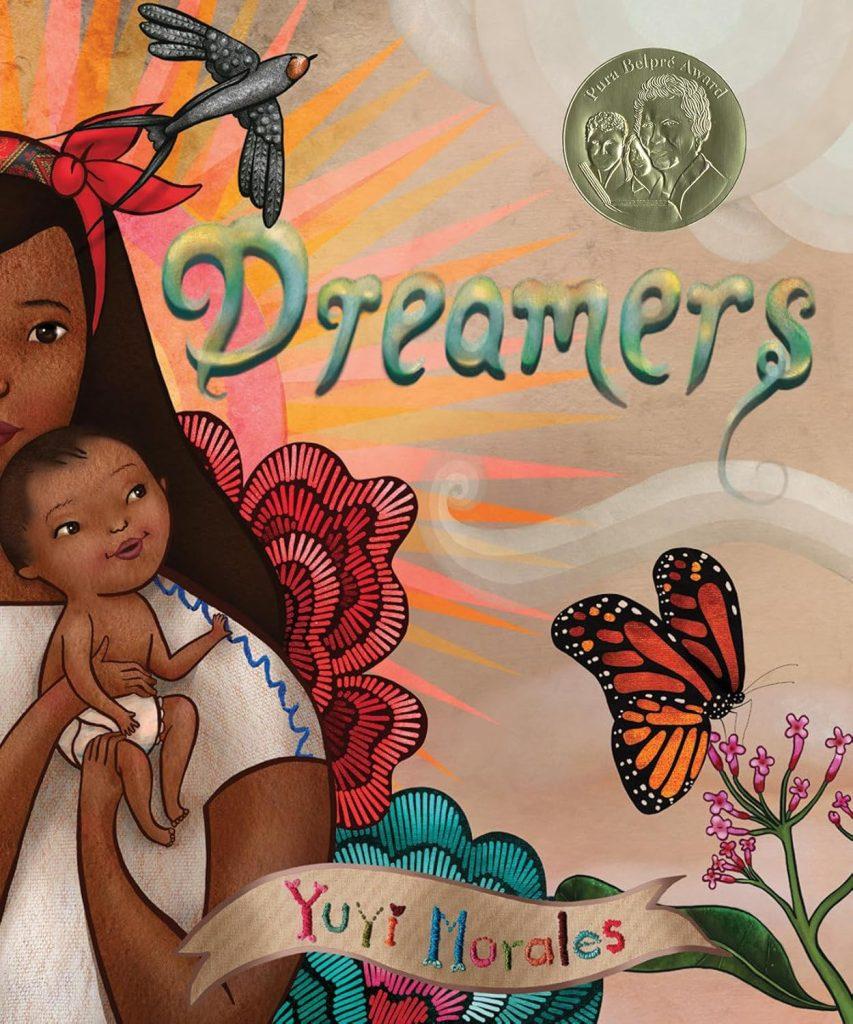
    Dreamers by Yuyi Morales

    The story of Yuyi Morales, a woman who moves to the United States with her infant son. Even though she left behind almost everything she owned, she still arrived with her hopes, passion, stories, and strength.

    Themes: family, self-discovery, life of an Immigrant 

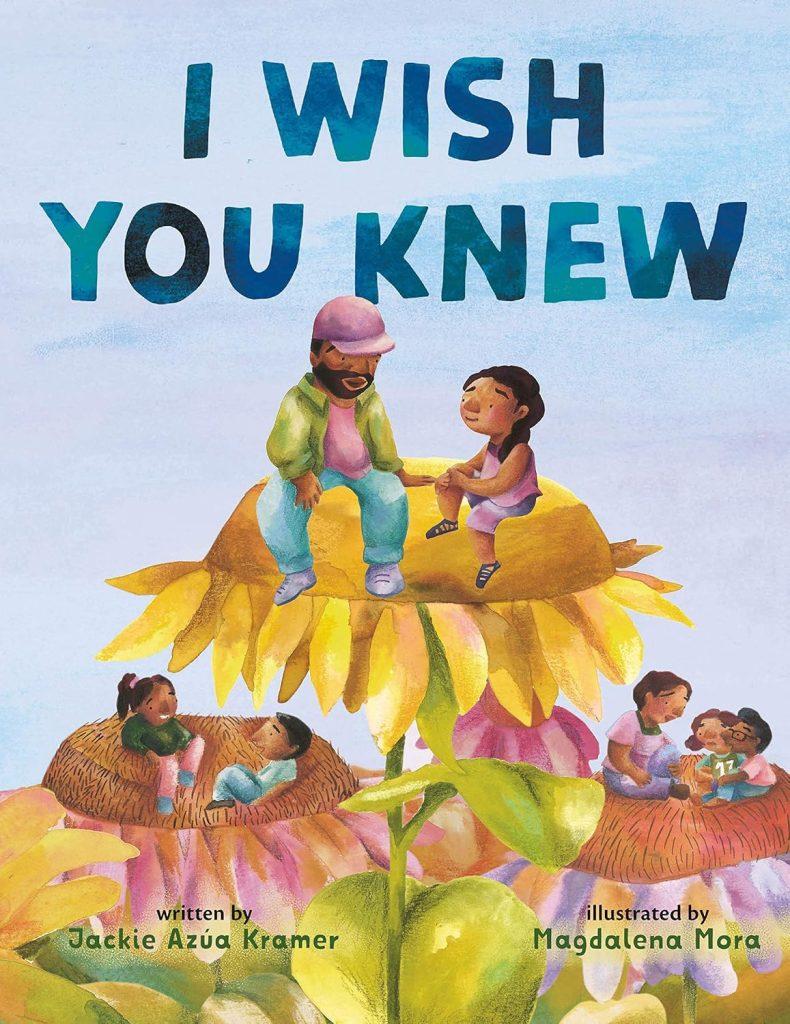
    I Wish You Knew by Jackie Azúa Kramer

    I Wish You Knew tells the story of what life is like for Estrella after her father is deported, and how she is able to find comfort within her community at school.

    Themes: empathy, deportation, divided families, connection within a community

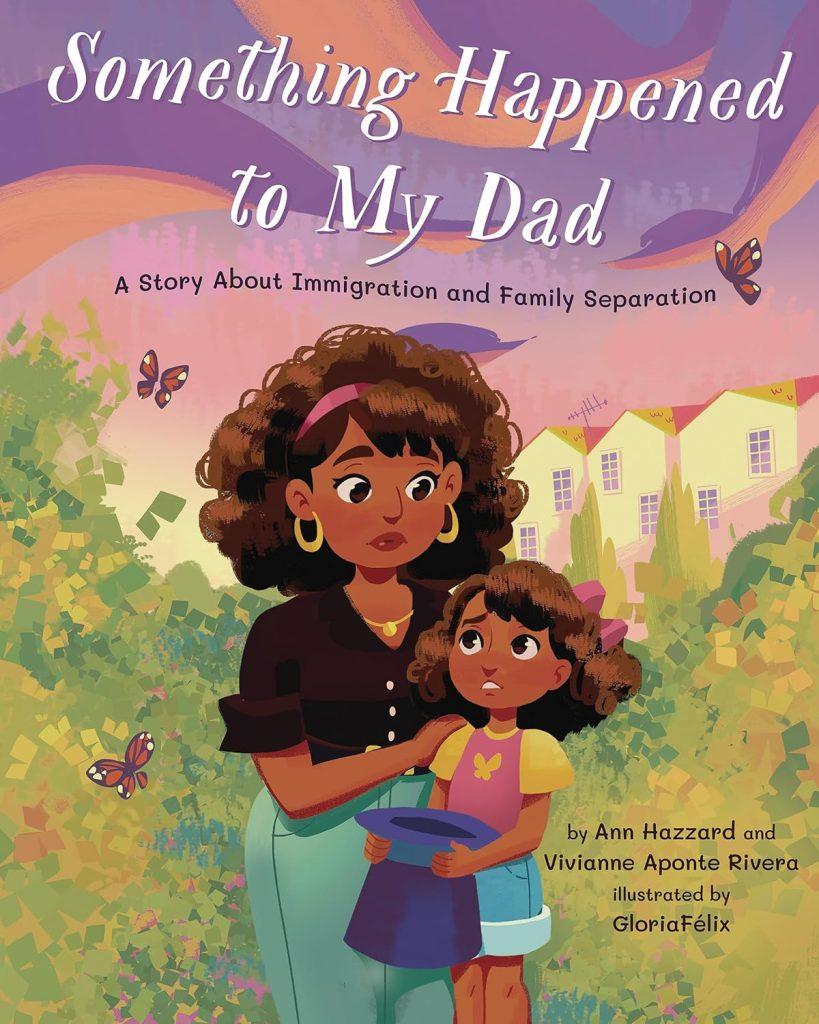
    Something Happened to My Dad: A Story about Immigration and Family Separation by Ann Hazzard and Vivianna Aponte Rivera

    Carmen loves the connection she has with her father, but one day he is detained for being an undocumented immigrant. At first the family keeps everything a secret, but as the community learns about what happened to the father, they rally around Carmen and her family with love and support. 

    Themes: family, detainment due to documentation status, connection, community support

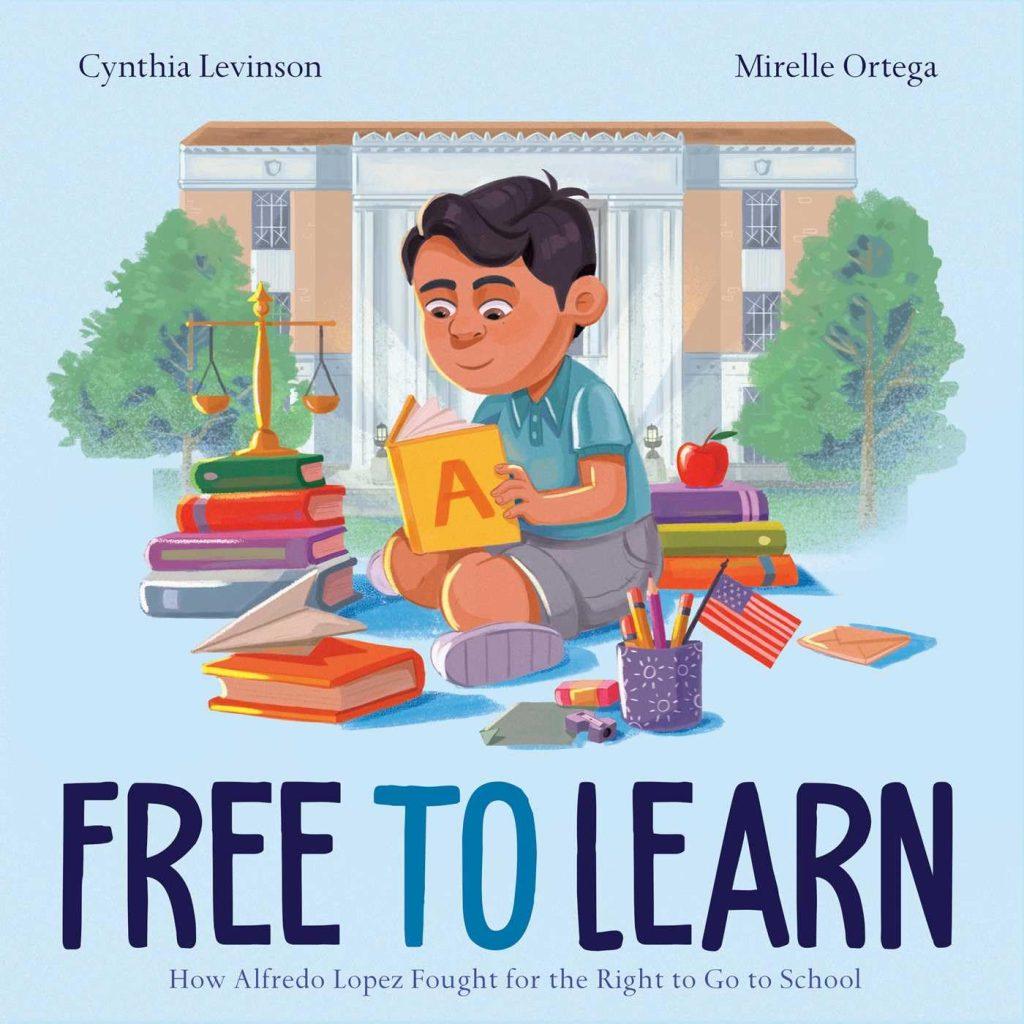
    Free to Learn: How Alfredo Lopez Fought for the Right to Go to School by Cynthia Levinson

    Alfredo Lopez can’t wait to start second grade, but then he’s told that he has to stay home. His school district in Texas decided that unless a family could provide proof of citizenship, they would have to pay for their children to attend public school. Free to Learn tells the story of how 4 undocumented families fought against this rule, with a legal battle that went all the way to the Supreme Court. 

    Themes: human rights, education, the rights of a child, family

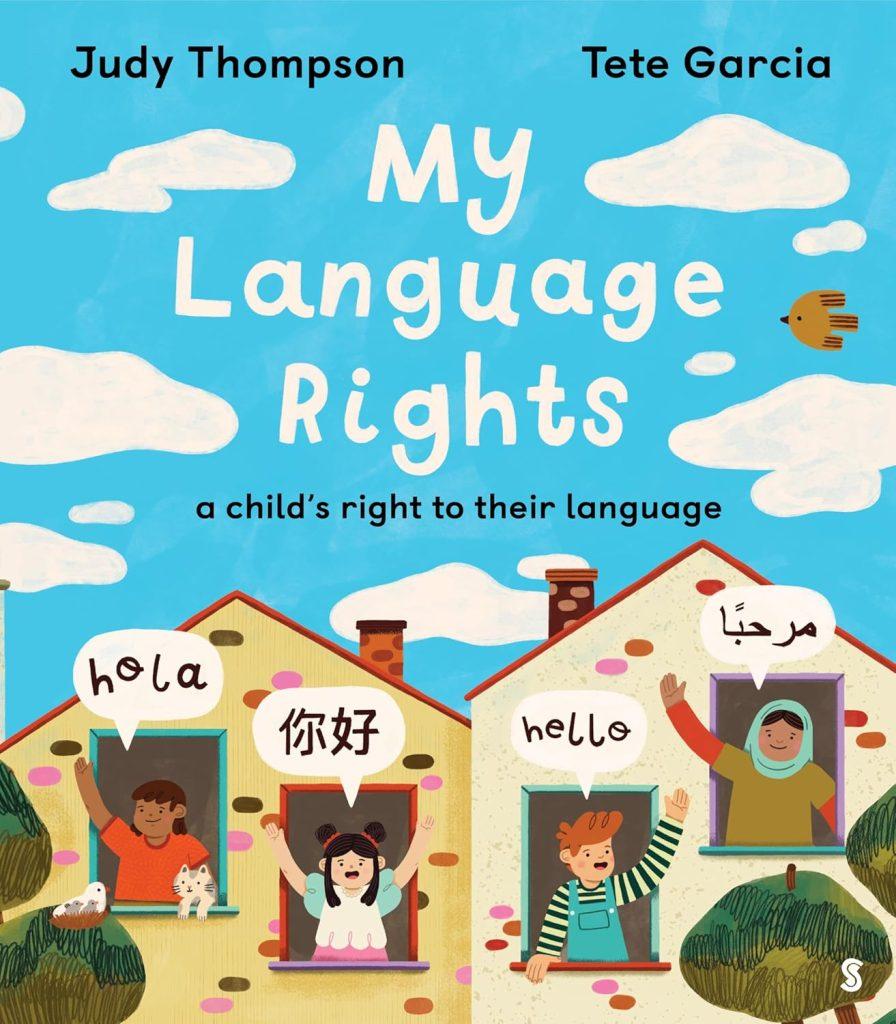
    My Language Rights: a child’s right to their language by Judy Thompson

    A story that helps young readers learn about multilingual communities and linguistic rights. Children have the right to speak and learn in other languages, because words in someone’s mother tongue represent their heritage and cultural identity. 

    Themes: human rights, cultural identity, family, language, heritage

    Are there any books you would add to my International Children’s Book Day list?

    Latina Mom Collective sometimes links to affiliate links when we share purchases we love and recommend. This means if you click on a product we suggest, like these children's book, and you purchase from that link, we may make a small commission at no additional cost to you. Every product we share is something we genuinely love, recommend, and have in our own homes!

    From My Abuelo to My Daughter: The Power of Boycotts at Home

    0

    Maddie shares how she and her daughter are choosing to boycott and how doing so is a part of her family’s legacy.

    Lately I have really been struggling with some of the decisions being made in our country. I’ve gone from feeling overwhelmed, to angry, to terrified. And I also felt this intrinsic need to do something, because doing something was better than staying silent and doing nothing. I had to prove to my daughter and to myself that we could still do something—try to do good from our own home, and try to find ways to show the government and many businesses that we are not okay with what is happening. 

    Choosing to Boycott

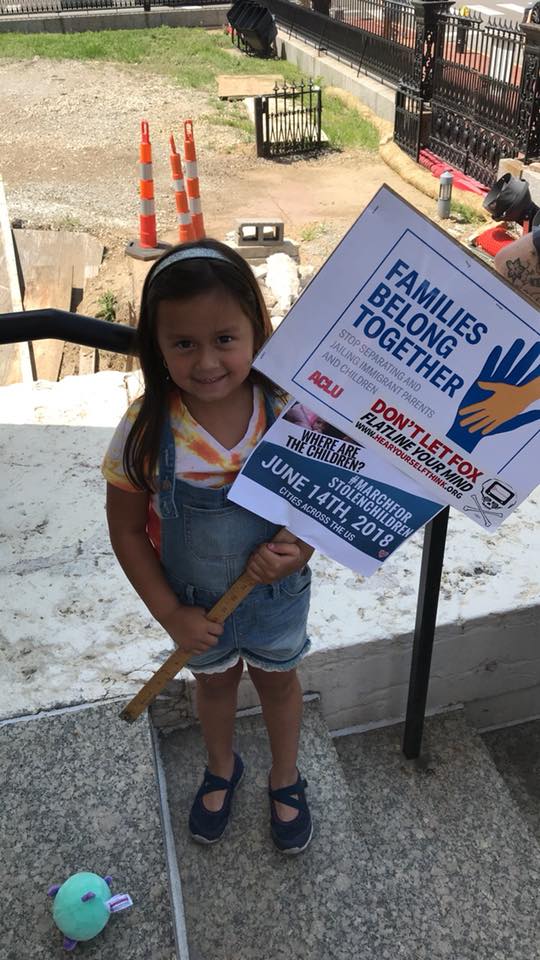
    I learned of a movement to boycott a group of businesses to show disapproval for the removal of their Diversity, Equity, and Inclusion programs and initiatives. And so I talked to my daughter about how we weren’t going to be drinking certain beverages in our house for a while, or going to get our favorite coffee, or browsing the aisles of our favorite store. And she’s not new to the idea of protesting against something that isn’t okay. 

    But we as a family had never really participated in a boycott before. So I did my best to explain to her what a boycott is, and why we were participating in it, and why it mattered. Now my daughter is a tween, so she’s currently slightly cynical about everything, and it was honestly hard to get her on board. She felt like it wouldn’t make a difference—that we couldn’t make a difference. But eventually she agreed to go along with it, and numbers are showing that collectively, we are making a difference. 

    The History of Boycotts in the U.S.

    Maybe that’s because boycotts have been a thing in our country since before we even became a country.

    Back in 1765, the British government passed The Stamp Act. It imposed a tax on the colonies to help finance the British troops stationed in the colonies. And what did the colonists do? They protested the act through organized boycotts.

    After Rosa Parks refused to give up her seat to a white man? African-Americans in Montgomery, Alabama refused to ride the city buses to protest segregated seating. This turned into a 13-month protest known as The Montgomery Bus Boycott.

    In 1980, our country led a boycott of the Moscow Olympics in response to the (then) Soviet Union’s invasion of Afghanistan. It was the largest boycott in Olympic history, with over 60 nations participating.

    Boycotts in My Family’s History

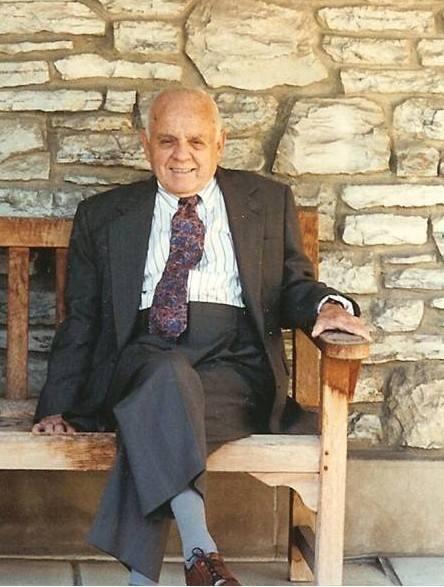
    Boycotts have even been a part of my family’s personal history. My Abuelo, Joe Rodriguez, had a job that involved working with migrant farm workers. Unfortunately, back in the 1960s and 1970s, migrant farm workers were barely being paid, working in hazardous conditions, and facing numerous civil rights violations.

    So, Cesar Chavez and Dolores Huerta began a movement with the United Farm Workers (UFW) to boycott lettuce and grapes. The boycott started locally and then spread across the nation. It specifically targeted non-union grapes and lettuce that hadn’t been picked by UFW members. For a few years, my mom’s family didn’t eat grapes or lettuce inside their home because my grandparents wanted to support the boycott.

    Carrying on the Legacy

    By participating in this current boycott with my daughter, I really hope we’re making my Abuelo proud. I want him to know that he taught me an important life lesson: that dealing with small inconveniences in your home—like not having grapes or lettuce to eat—actually can make a difference.

    Headlines to Home: Parenting in a World of Information

    0
    Image: Rolled up newspaper with headline "breaking news" | Parenting During Difficult Times

    Jessica shares how parenting in difficult times in a world of information can be challenging, but with a few tips it can be done without the burnout.

    Can I be okay while nothing is okay? Yes. I know the answer HAS to be yes. Because I’m a mother, a boss, and a woman. But most importantly, por que soy la hija de mi madre and one thing she showed us time and time again is that we keep going. And I have to do it especially for the three beautiful kids who need me day in and day out. But how we move forward matters. Our actions contribute to our outlook and there is always the gentle reminder that the ones who matter, our little people at home, feed off our vibes and energy. I learned that lesson the hard way with our middle child, but that’s a story for another time.

    Parenting During Difficult Times

    The year is off to a tough start for many of us, as an immigrant from Mexico I feel the pain in every bone in my body when I see our community being targeted. Being a daughter of immigrants and an immigrant myself has been the thought that’s always with me, but even more lately. Being a parent adds a level of responsibility for what the kids might hear or experience, or even how they feed off my own struggles, trying to be a good mom, as good as I can most days with everything going on, staying focused and safe. With a background in grassroots organizing, I know how real it is to get burned out from these types of environments and I cannot afford to fall into it.

    That’s why I’m doing my best to keep going and set the boundaries that I need to echarle ganas y salir adelante, while being mindful of our risks and our power. If the steps that I’m taking to work through these times are of any help to you please use them, and if you have any other suggestions on how to parenting during difficult times please share them and tag me to keep them in my list as we navigate these years of the most unexpected reality.

    Tips to Navigate Through A World of Information

    Be Purposeful

    It’s easy to fall into the trap of the in-betweens, when you finish a task and try to get a mental break or even catch up with the virtual world, family, and friends in social media. But that can easily turn into doom scrolling and bombarding information from the current state of the world. I struggle between keeping myself informed versus letting my empath heart get tangled in the news of daily events that lately change drastically from one day to another. That’s why I aim to be purposeful with the accounts and people that I allow to take my mental space and stay away from posts that are only trying to get a reaction out of me and usually not a positive one. Instead, I block time to do my research and read articles from sources that I trust and support initiatives that align with my values, while leaving space for time-sensitive actions that support organizations that I believe in.

    It doesn’t work 100%, but this shift has definitely helped the emotional soreness that comes with heavy subjects impacting my community and groups that I support.

    Set Your Boundaries

    This is probably the hardest for a former people-pleaser like me, but it’s absolutely necessary. I need to understand that I come first, because if I cannot be okay, those who depend on me won’t be okay. It’s important to communicate with those around you what is okay to share and what you’d prefer not to discuss as a casual conversation or even in front of the kids. I may even note my preference for journalist articles rather than the click bait links. But at a minimum, when I hear something I really don’t have the capacity to process at the moment, I let them know I’m trying to avoid that type of content or that I’m not in the best state of mind for the conversation they might want to have.

    Put Your Worries to Action

    When the bad news cannot leave your mind alone, get it out of your body choosing what’s best for you. Also, focus your actions where your worries are volunteering in causes that focus on those areas. Look into opportunities with your church, or your go-to organization that supports the groups you’d like to give back to, especially those who have been losing so much. You can also seek positive stories that outweigh the negative ones, they might be harder to find but I can assure you they exist. Learn about them and share the goodness as you may bring light to someone’s day.  

    Find the Joy and Make Time for It

    Now more than ever we must find the time to do things that bring us joy and re-energize us. This doesn’t make us insensitive to current challenges, but it reminds us that we are human and cannot live in a state of emptiness and struggle without terrible consequences to our health. Dance to your favorite song, watch a funny movie, read stories from the past where struggles were overcome, make something it doesn’t have to be pretty just enjoy the process, and of course bring the kids along and make great memories!

    While we navigate parenting in difficult times and how to stay afloat as a mom, make sure you understand your rights and responsibilities according to your unique status, because we have many shared experiences but also distinct situations. A song that has come to mind often and where I’ve found refuge is one by La Santa Cecilia and Lila Downs released in 2021, “Quiero Verte Feliz.” It reminds me to look for the happiness that our hearts are hungry for to feed our souls and spirits. Escúchala y échate una bailada while you’re at it mija.

    Quiero bailar, quiero echarme a reír
    Y no pedir disculpas
    Ya estuvo bueno de tanto sufrir
    Yo quiero verte feliz

    How Moms Can Learn Their Child’s Love Language

    0
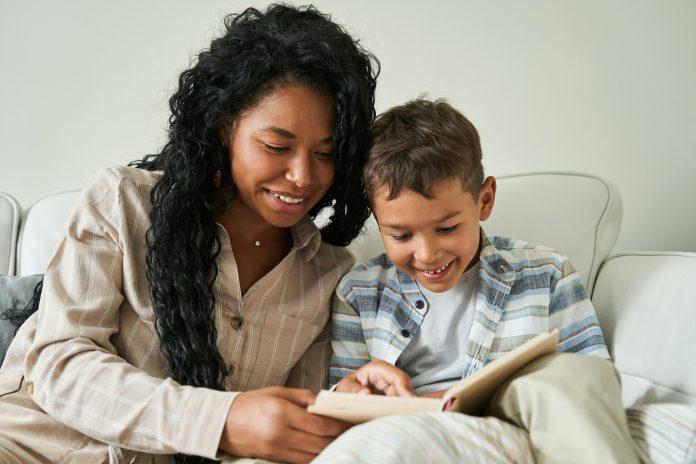
    Mother reading with her son | Why Your Child's Love Language Matters

    Have you ever wondered about your child’s love language? Here’s how you can love your young one even better.

    “Mamita, when do you feel best: when I tell you about how glad I am to be your mommy, when I help you with crafts, when I take you to pick out a special treat, when we play together or when I rub your back at bedtime?”

    “Um. . .all of them but I really like when you rub my back.”

    That’s how a conversation went with my five-year-old a few weeks ago. It’s regular check-in I do with her and her older sister (every few months) after a friend told me that she regularly checks in on her sons’ love languages.

    As Latina moms, we know how important it is to show our children love and nurture their sense of belonging. Family is at the heart of our culture, and understanding your child’s unique love language can strengthen the bond you share and ensure they feel cherished. Dr. Gary Chapman’s concept of the five love languages—words of affirmation, acts of service, receiving gifts, quality time, and physical touch—can help us connect with our children in meaningful ways. Here’s how to discover your child’s love language with a touch of our cultura.

    1. Observe Their Behavior

    Our children often express love in the way they wish to receive it. Pay attention to how your child interacts with you and the family. Does your little one shower you with compliments like, “Mami, you look so bonita today”? They might value words of affirmation. Are they always reaching out for hugs or wanting to sit on your lap? Physical touch could be their primary love language. Watch for these little clues—they speak volumes.

    2. Experiment with Each Love Language

    Spend a week focusing on each love language to see how your child responds. For example:

    • Words of Affirmation: Tell them, “Estoy tan orgullosa de ti por ayudar a tu hermanito hoy.”
    • Acts of Service: Offer to help them with something they’ve been struggling with, like tying their shoes or finishing their school project.
    • Receiving Gifts: Surprise them with something thoughtful, like their favorite pan dulce or a small toy.
    • Quality Time: Dedicate uninterrupted moments to play lotería, cook together, or read their favorite book.
    • Physical Touch: Give extra hugs, besitos, or a gentle back rub while watching a movie together. Take note of what brings the biggest smile to their face or makes them feel most at ease.

    3. Ask Questions

    Engage your child in conversations about what makes them feel loved. For younger kids, use simple questions like, “Te gusta más cuando leemos cuentos juntos o cuando te doy muchos abrazos?” Older kids might open up with open-ended questions.

    4. Pay Attention to Complaints

    Children’s complaints often reveal unmet emotional needs. If your child says, “Nunca juegas conmigo,” they might be craving quality time. If they’re upset about not getting a small treat or toy, receiving gifts could be their love language. Listen closely—these moments are golden opportunities to understand them better.

    5. Adapt to Their Changing Needs

    Just as our abuelas adjusted to meet the needs of their growing familias, we too need to adapt as our children grow. A toddler who thrives on physical touch might prioritize quality time as a teen. Keep observing and adjusting how you express love to align with their current stage. My two daughters have shifted their love languages over the last two years and it really makes a difference.

    Why Your Child’s Love Language Matters

    When our children feel loved in the way they best understand, their confidence, emotional security, and behavior improve. As Latina moms, we can tap into the strengths of our culture—like our deep sense of family and connection—to build a loving environment where our children thrive.

    Learning your child’s love language is an ongoing journey, much like our roles as madres. By observing, experimenting, and listening, you can create a nurturing space where your child feels deeply loved and valued. Remember, every child is unique, so stay attuned to what makes them feel most cherished.

    What love language do you think your child has? Share your experiences and insights in the comments below—we’d love to hear from you, Mamá!

    Why Representation in Children’s Books Matters

    0
    Toddler hand pointing at stack of children's books | Representation in Children's Books

    As a Latina mom of four, I’ve seen firsthand how powerful it is when our children see themselves reflected in the stories they read. Their eyes light up when characters share their brown skin, dark hair, or even speak the same mix of English and Spanish we use at home. It’s more than just seeing themselves—it’s feeling seen.

    The Lack of Representation in Our Own Childhoods

    Growing up, it wasn’t always easy to find books that reflected my culture and experiences. The stories I read were beautiful, but they often lacked characters who looked like me or shared my family’s traditions. I didn’t realize what was missing until I became a mom and witnessed the joy on my children’s faces when they found books that celebrated their heritage. That moment of recognition is powerful. It tells our kids, “You belong here. Your story matters.”

    Why Representation Matters

    Representation in children’s books does more than reflect diverse appearances—it celebrates language, traditions, and the everyday experiences of our communities. When children see characters eating familiar foods, celebrating beloved holidays, or speaking Spanglish like they do at home, it fosters a sense of pride and belonging. It validates their experiences and helps them embrace their identity with confidence.

    I remember taking my daughters to a Latino-owned ice cream shop, and as soon as we walked in, my kindergartner asked, “Are they Mexican like us too?” That simple question carried so much weight. It reminded me how deeply children crave connection and recognition. That moment inspired me to think about how often our children search for themselves in the spaces they enter—including the pages of a book.

    Representation Fosters Understanding and Empathy

    Representation also opens the door to understanding and empathy for children from different backgrounds. When kids from other cultures read stories that highlight Latino heritage, they learn to appreciate and respect diversity. Books can become bridges that connect different communities, fostering friendships and compassion through shared stories and experiences.

    How to Prioritize Representation in Your Home

    As parents, we have the power to nurture this connection by filling our homes with books that reflect our children’s identities. Here are a few simple ways to make representation in children’s books a priority in your home:

    1. Diversify Your Bookshelf

    Make a conscious effort to include stories from Latino authors and illustrators. Support books that showcase different aspects of our heritage, from language and family traditions to music and food.

    2. Celebrate Cultural Holidays Through Books

    Introduce stories that highlight celebrations like Día de los Muertos, Las Posadas, or Carnaval. This helps children connect with their roots while learning the significance behind these traditions.

    3. Incorporate Bilingual Books

    Reading in both English and Spanish not only strengthens language skills but also reinforces cultural pride through picturebooks.

    4. Support Latino Creators

    Follow Latino authors and illustrators, attend book readings, and share their work. Supporting these voices helps ensure that more diverse stories continue to be published.

    5. Encourage Storytelling at Home

    Share your own family stories with your children. Talk about your heritage, your abuelitos’ traditions, and the special memories that connect you to your culture. These personal stories are just as valuable as those found in books. We’ve found that StoryKasa is a unique way to preserve stories.

    Every Child Deserves to See Themselves

    When children see their stories, their families, and their cultures celebrated in the books they read, it nurtures a deep sense of belonging. They grow up proud of their roots, confident in who they are, and ready to share their beautiful stories with the world.

    Every child deserves to read a story where they are the hero. And as parents, we have the privilege of making that possible—one page at a time.

    3 Latina Authors to Search for at the Library

    0
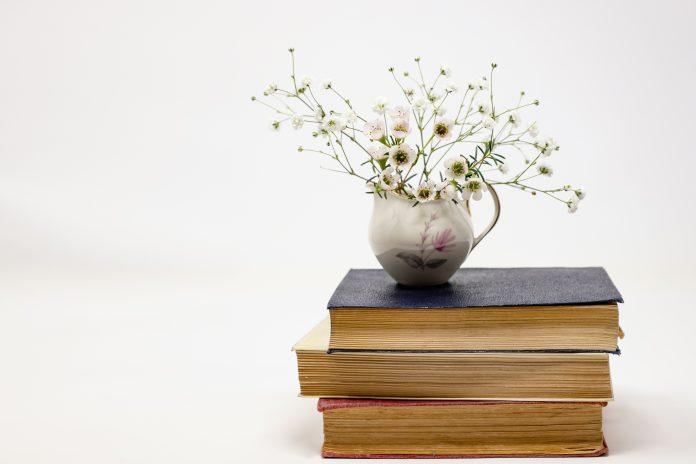
    Stack of books with flowers in vase on top | 3 Latina Authors

    Throughout publishing history, Latina writers continue to be underrepresented, resulting in a lack of our narratives. Yet, over the years, strides have been made towards the inclusion of our voices in literature, courtesy of trailblazing Latina authors who shattered barriers, weathered microaggressions, and racism, and filled a void. Here are a few of our favorite Latina authors to celebrate and search for on your next library visit.

    Sandra Cisneros

    The first Latina author (specifically Mexican-American) that I was introduced to (and ignited my passion for writing) is Sandra Cisneros. When I was a freshman in high school, I read her best-selling and critically acclaimed novel The House On Mango Street (1983) which follows a young Mexican American girl growing up in Chicago which sold millions of copies. That book forever changed my life. For the first time I was able to recognize familiar characters and themes in a book.

    Julia Alvarez

    Julia Alvarez left the Dominican Republic for the United States in 1960 at the age of ten (although she was born in the United States). Over the course of her life she has written six novels, three books of nonfiction, three collections of poetry, and eleven books for children and young adults. In college, I was introduced to In the Time of the Butterflies (1994) and my eyes opened to the plight of other Latinos in their countries. Her other well-known novel How the Garcia Girls Lost Their Accents (1991) was the first novel by a Dominican-American woman to be critically acclaimed in the United States.

    Laura Esquivel

    In her debut novel, Like Water for Chocolate (1995), Laura Esquivel creates both a novel and cookbook that explores the tale of a family during the turn of the century in Mexico. This book was later adapted into an award-winning film and helped increase visibility of Mexican literature throughout mainstream media. She has since written 10 novels, many of which have explored Mexico’s complex history and race relations.

    Latina Mom Collective sometimes links to affiliate links when we share purchases we love and recommend. This means if you click on a product we suggest, like these Latina author’s book, and you purchase from that link, we may make a small commission at no additional cost to you. Every product we share is something we genuinely love, recommend, and have in our own homes!

    Celebrating Read Across America Week: Uplifting Latino Stories for Our Children

    0
    Grandmother and grandchildren on bed reading a book | Read Across America Week

    Read Across America Week is here, and as a Latina mom, I see it as more than just a celebration of books—it’s an opportunity to make sure our children see themselves in the stories they read. Books have the power to affirm identity, spark imagination, and expand our understanding of the world. But for too long, many of the books placed in front of our kids didn’t reflect our culture, our language, or our traditions.

    That’s why this week, I want to challenge us to be intentional about the stories we bring into our homes. Let’s fill our bookshelves with Latino voices, bilingual books, and stories that honor our diverse experiences. From picture books that celebrate the beauty of our brown skin to middle-grade novels that weave in the Spanish phrases we grew up hearing, representation in literature matters. When our children see characters who look like them, eat the same foods, and celebrate the same traditions, they not only feel seen, but they also develop a deeper sense of pride in their heritage.

    For many of us, growing up meant reading books that didn’t quite reflect our world. We read about snow-covered Christmases while our families gathered under palm trees. We saw characters eat peanut butter and jelly sandwiches while we had pan dulce con chocolate. And while there is nothing wrong with reading about different experiences, it makes a difference when our own stories are given space on the shelf too. Our children deserve to see their culture celebrated, their language embraced, and their history honored in the pages they turn.

    When my daughters read books where the main character eats tamales like them, speaks Spanglish like them, or has a strong abuelita guiding the way, I see the spark in their eyes. They feel seen. And that’s exactly what we want for all our niños and niñas. Reading should be an experience that connects, empowers, and reflects the richness of our identities. It should remind our children that their voices matter and their stories are worth telling.

    So, here’s my call to action: This week, pick up a book by a Latino author. Read a bedtime story that reflects your family’s heritage. Visit your local library and ask for more diverse selections. Advocate for more Latino representation in your child’s school curriculum. And if you’re looking for a place to start, here are some of our familia’s favorite books:

    Let’s make Read Across America Week not just about reading more—but about reading stories that reflect the beauty of who we are. Let’s celebrate the voices that have long been overlooked and make sure our children grow up knowing that their stories belong.

    What Latino-authored books are your little ones loving right now? Drop your recommendations in the comments—I’d love to add them to our list!

    Latina Mom Collective sometimes links to affiliate links when we share purchases we love and recommend. This means if you click on a product we suggest, like these Latin children's books, and you purchase from that link, we may make a small commission at no additional cost to you. Every product we share is something we genuinely love, recommend, and have in our own homes!

    7 Inspiring Afro-Latina Women Who Have Changed the World

    0
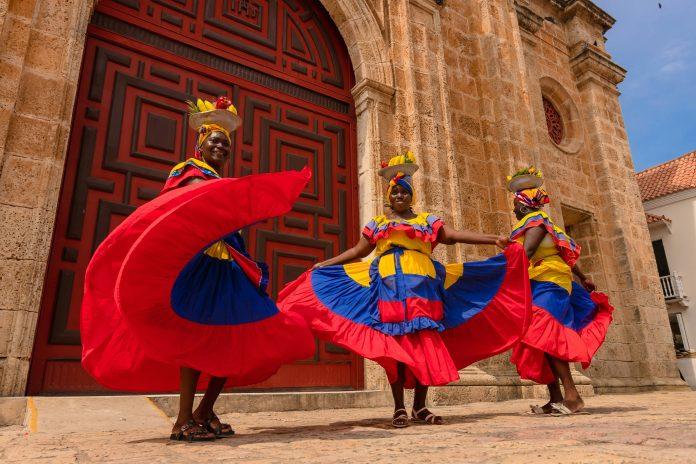
    Colombian Afro-Latinas in Traditional Dress

    As we celebrate Black History Month, it’s important to uplift the voices and stories of Afro-Latinas—women whose Black and Latina heritage shape their experiences, struggles, and triumphs. Too often, Afro-Latinas are left out of mainstream conversations about both Black and Latinx history, but their impact is undeniable. From activism to entertainment, these mujeres poderosas are making history and inspiring future generations.

    Afro-Latinas Making A Difference

    1. Celia Cruz – The Queen of Salsa ????

    Celia Cruz’s voice and vibrant energy put Afro-Cuban music on the global stage. With over 70 albums and an unforgettable “¡Azúcar!” battle cry, she broke racial and gender barriers in the music industry, proving that Afro-Latinas belong in the spotlight.

    2. Amara La Negra – Champion of Afro-Latina Identity ✨

    The Dominican-American singer and TV personality has been unapologetic in advocating for the visibility of Afro-Latinas in media. Through her music and activism, she challenges colorism and pushes for more representation of Black Latinas in entertainment.

    3. Francia Márquez – The First Afro-Colombian Vice President

    An environmental activist turned politician, Francia Márquez made history in 2022 as Colombia’s first Black vice president. Coming from a humble background, she has fought for the rights of Afro-Colombian communities and against illegal mining, earning global recognition for her work.

    4. Cardi B – A Voice for the People

    The Dominican-Trinidadian rapper isn’t just known for her chart-topping hits—she’s also been a vocal advocate for political and social issues, using her massive platform to speak up on topics affecting marginalized communities.

    5. Sylvia del Villard, Puerto Rican Poet & Activist

    A fierce advocate for Puerto Rican independence and Afro-Caribbean identity, Sylvia del Villard used her poetry and activism to fight against racism and colonialism. Her words continue to inspire movements for justice and cultural pride.

    6. Carolina Contreras – Founder of Miss Rizos

    The Dominican entrepreneur and activist is changing the beauty industry with her natural hair movement. Miss Rizos, her salon and platform, empowers Afro-Latinas to embrace their curls and reject Eurocentric beauty standards.

    7. Julia de Burgos – Poet & Feminist Trailblazer

    One of Puerto Rico’s most beloved poets, Julia de Burgos spoke on race, feminism, and identity at a time when these conversations were rare. Her work remains a powerful reminder of the struggles and beauty of Afro-Latina existence.

    Why Representation Matters for Afro-Latinas

    Afro-Latinas have shaped history in countless ways, yet they are often erased from both Black and Latino narratives. By uplifting their voices, we ensure that the next generation of Afro-Latinas sees themselves in positions of power, influence, and creativity.

    Who are some Afro-Latina women that inspire you? Let’s continue the conversation in the comments!

    MOST POPULAR

    mom holding baby while working at a desk on a computer

    Working Mom Guilt: What I’ve Learned About Balancing Career and Motherhood

    0
    Jessica shares her experience with working mom guilt, balancing a corporate career, and raising children. There is so much guilt that comes with wanting—or needing—to...

    Another birthday, and a new phase of motherhood

    0
    Nancyn reflects on her daughter's transition from toddler to "big girl," sharing the moments of growing up, parenting, and letting go. ¿Mamá, ya soy una...
    an image of the free summe memory banner

    Free Summer Memory Banner Printable for Moms: A Simple Way to Display Summer Memories

    0
    There are thousands of photos on my phone right now. Note to self: Back photos up to Google Photos because my phone is full. Pool...
    watermelon sliced on counter | 4 easy summer recipes

    4 Easy Summer Recipes for Slow, Sunny Days

    0
    There’s something about summer that pulls us back into the kitchen in a softer way. Less rushed dinners. More fresh fruit. More recipes that...