Maddie shares how she and her daughter are choosing to boycott and how doing so is a part of her family’s legacy.
Lately I have really been struggling with some of the decisions being made in our country. I’ve gone from feeling overwhelmed, to angry, to terrified. And I also felt this intrinsic need to do something, because doing something was better than staying silent and doing nothing. I had to prove to my daughter and to myself that we could still do something—try to do good from our own home, and try to find ways to show the government and many businesses that we are not okay with what is happening.
Choosing to Boycott
I learned of a movement to boycott a group of businesses to show disapproval for the removal of their Diversity, Equity, and Inclusion programs and initiatives. And so I talked to my daughter about how we weren’t going to be drinking certain beverages in our house for a while, or going to get our favorite coffee, or browsing the aisles of our favorite store. And she’s not new to the idea of protesting against something that isn’t okay.
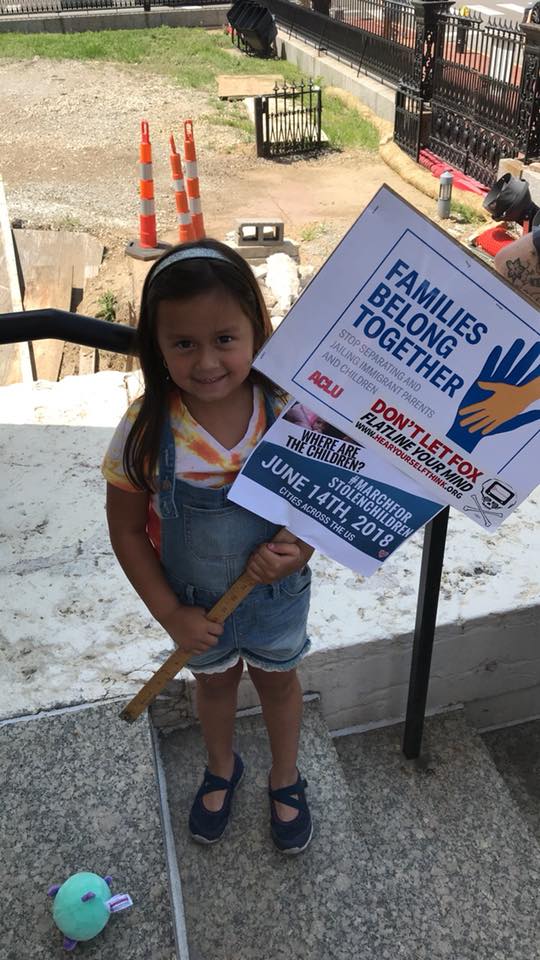
But we as a family had never really participated in a boycott before. So I did my best to explain to her what a boycott is, and why we were participating in it, and why it mattered. Now my daughter is a tween, so she’s currently slightly cynical about everything, and it was honestly hard to get her on board. She felt like it wouldn’t make a difference—that we couldn’t make a difference. But eventually she agreed to go along with it, and numbers are showing that collectively, we are making a difference.
The History of Boycotts in the U.S.
Maybe that’s because boycotts have been a thing in our country since before we even became a country.
Back in 1765, the British government passed The Stamp Act. It imposed a tax on the colonies to help finance the British troops stationed in the colonies. And what did the colonists do? They protested the act through organized boycotts.
After Rosa Parks refused to give up her seat to a white man? African-Americans in Montgomery, Alabama refused to ride the city buses to protest segregated seating. This turned into a 13-month protest known as The Montgomery Bus Boycott.
In 1980, our country led a boycott of the Moscow Olympics in response to the (then) Soviet Union’s invasion of Afghanistan. It was the largest boycott in Olympic history, with over 60 nations participating.
Boycotts in My Family’s History
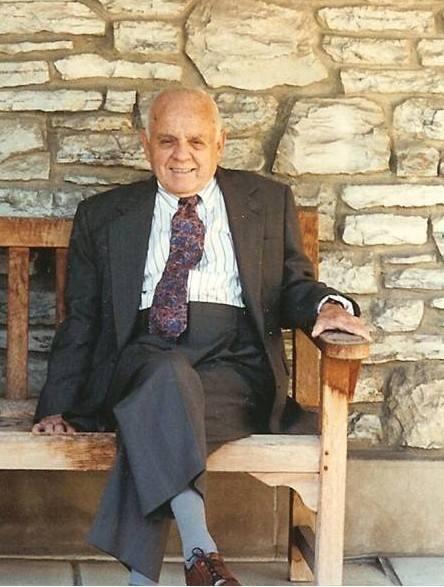
Boycotts have even been a part of my family’s personal history. My Abuelo, Joe Rodriguez, had a job that involved working with migrant farm workers. Unfortunately, back in the 1960s and 1970s, migrant farm workers were barely being paid, working in hazardous conditions, and facing numerous civil rights violations.
So, Cesar Chavez and Dolores Huerta began a movement with the United Farm Workers (UFW) to boycott lettuce and grapes. The boycott started locally and then spread across the nation. It specifically targeted non-union grapes and lettuce that hadn’t been picked by UFW members. For a few years, my mom’s family didn’t eat grapes or lettuce inside their home because my grandparents wanted to support the boycott.
Carrying on the Legacy
By participating in this current boycott with my daughter, I really hope we’re making my Abuelo proud. I want him to know that he taught me an important life lesson: that dealing with small inconveniences in your home—like not having grapes or lettuce to eat—actually can make a difference.